AI and Automation in Solar Monitoring: Driving Efficiency from Rooftop to Utility Scale

24th Jul, 2025

Synopsis

The expansion of India’s solar power infrastructure requires strict monitoring and operational efficiency standards for both rooftop and utility-scale installations. This blog examines how AI and automation systems transform solar project monitoring operations to reduce downtime and boost energy output.

Solar automation enables operators to prevent faults through smart sensors that perform predictive maintenance and AI-powered dashboards which provide real-time performance alerts. The implementation of AI technology in solar power systems provides both small rooftop systems and large utility-scale solar farms with consistent operation and fast decision-making capabilities.

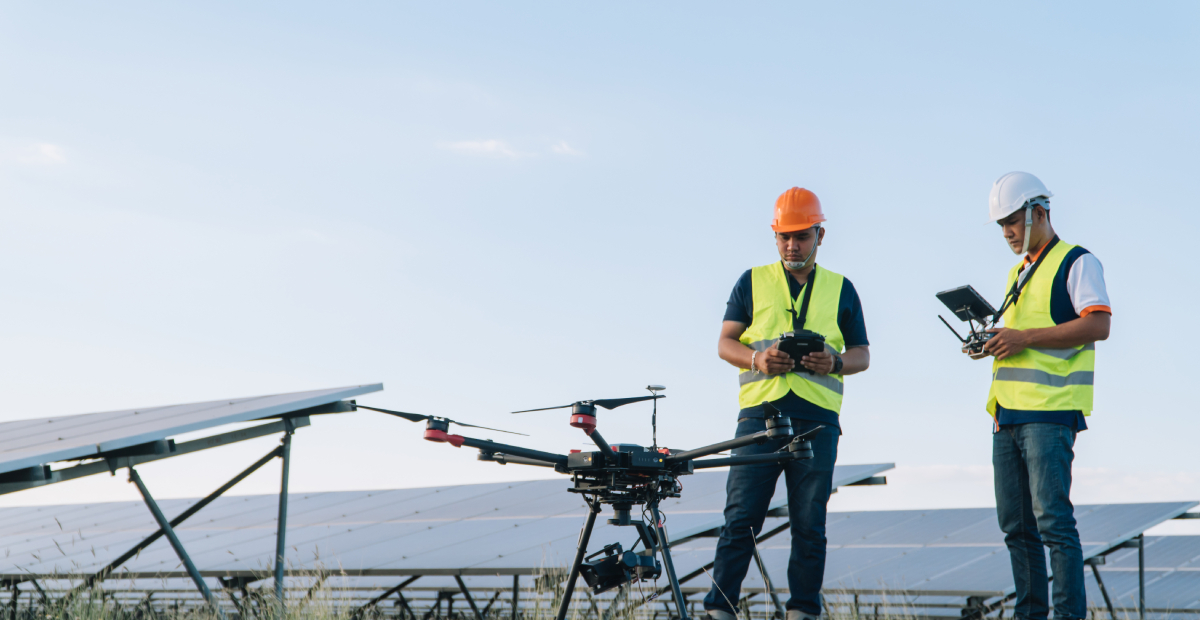
The article examines drone-based thermal inspections together with IV curve tracing and SCADA systems and smart solar analytics platforms. The article discusses how machine learning-based anomaly detection works alongside MPPT performance tracking and automation in cleaning systems.

The blog provides valuable information to EPC firms and facility managers and utility-scale plant operators who seek to decrease O&M expenses and boost solar project output. The blog provides readers with a detailed comprehension of digital intelligence optimization methods for solar power generation across rooftop and large-scale field applications.

Introduction – Solar Monitoring: The New Frontier 

 Beyond Installation—Now Comes Performance

 The installation of solar systems marks the beginning of the job rather than its conclusion. Maximising output over time is. AI and solar automation enable owners to manage their systems with precision and foresight as systems age.

AI in Solar – A Game Changer in Predictive Maintenance 

See Issues Before They Surface

The solar industry employs AI through advanced data models to identify module degradation and wiring faults and inverter inefficiencies. Predictive maintenance prevents equipment failures which results in better long-term reliability.

Automating Rooftop and Utility Scale Operations

Scale Doesn’t Matter—Efficiency Does

The system performs scheduled performance audits and generates auto-generated reports and inverter-level diagnostics without requiring manual input for rooftop solar efficiency and 100+ MW ground-mounted sites.

Real-Time Data and Smart Solar Analytics Platforms

 Informed Decisions, Faster

Smart solar analytics platforms combine data from weather conditions with output measurements and grid interaction information. Stakeholders can optimize their operations through intelligent insights which provide quick optimization capabilities.

Reducing Downtime Through Machine Learning

 Learning Your System Better Than You Can

Machine learning systems analyze energy patterns to detect irregularities such as underperforming panels and inverter mismatches which enables immediate correction.

Automation in Cleaning and Component Control

Precision, Timing, and Labour Savings

Large plants now use automated cleaning robots for their operations. These work with AI triggers based on soiling data. Similarly, automated MPPT adjustments improve conversion rates.

Future Trends in AI for Solar Infrastructure 

 From Smart to Autonomous

AI will predict component replacement windows and suggest reconfiguration during weather changes and work with grid-level smart management for energy redistribution in the near future.

India’s Potential to Lead in Solar Digitalisation 

 Homegrown Talent Meets Global Tech

The nation stands ready to lead solar automation innovation because of its large IT and engineering workforce which enables the development of scalable solutions for solar deployments at home and abroad.

FAQs

No. The tracking features of rooftop solar automation systems enable small business owners and household users to monitor performance and detect faults while maximizing returns through mobile applications.

The system analyzes solar irradiance together with panel output and inverter behavior and temperature and soiling and grid performance data. AI systems analyze this data to generate smart optimization decisions.

Yes. The system decreases the need for human inspections and reduces expenses for cleaning and equipment downtime. The technology extends system lifespan while decreasing operational costs substantially during extended periods of operation particularly for extensive installations.

The implementation of smart sensors and IoT devices and drone-based thermal imaging and SCADA platforms and AI-driven analytics software enables the creation of real-time efficient solar management systems.

You might also like
Diagram showing the assembly layers in pv panel construction
15th Jan, 2026
The scientific genesis of a solar power plant from the construction of a solar cell

Synopsis The worldwide energy transformation depends on tiny photovoltaic effects which take place inside individual semiconductor wafers. This article traces the transformative journey from the precise construction of a solar cell to its scalable manifestation as a utility-scale solar power plant. We delve into the meticulous manufacturing stages that define quality and longevity in pv […]
View More...
Diagram showing the growth metrics of a successful solar power plant business
8th Jan, 2026
Scaling the solar plant business through intellectual capital and strategic consulting

Synopsis A sustainable solar plant business needs to establish itself in 2026 through installation capacity and requires both technical knowledge and ethical business practices. The blog provides essential methods for building a profitable solar power plant business which depends on an experienced solar power consultant to handle market challenges. Our method which combines data with […]

View More...
Diagram illustrating the water lift capacity of a Surface Solar Pump from a canal
6th Jan, 2026
The strategic evolution of the solar water pump in sustainable rural infrastructure

Synopsis Even as India faces steady challenges in accessing water and managing uneven shifts in energy costs, turning to solar-powered pumps has become unavoidable for long-term survival of farm economies. Rather than rely on old-school machinery, switching to clean-energy systems offers a clearer path forward – one tied directly to ensuring both power and food […]

View More...