Synopsis
Nowadays in business, getting power isn’t just about function – it’s central to oversight duties. When worldwide systems shake like never before, using rooftop sunlight at scale stands out as key for those aiming to know exactly where money will go. Inside these pages, the mechanics of a solidly built commercial setup act less like gear, more like capital – a tool shielding budgets from spikes tied to old grid supplies. Delving into what makes today’s commercial PV panels stand out through smart design and reliable performance. A well-planned rooftop setup matters because weak points early on tend to shorten system life. When teaming up with trusted solar installers across India, businesses turn forgotten corners into real strengths. This guidance walks leaders through shifting power generation closer to demand, keeping environmental aims tight while protecting investors and daily operations alike.
Table of Contents
The Strategic Shift: Energy as a Fiduciary Priority
Nowadays, today’s workplace hinges on building tough systems able to adapt – especially around energy handling. Once seen merely as unstable expenses to absorb without much say, electricity has turned into something companies can’t ignore anymore. What was once treated like a bill to pay is now seen as part of looking after assets properly. Ahead of the curve, some companies are already setting aside their energy costs for years to come – close to a quarter century ahead. Instead of just buying power, they now feed back into the grid as active producers, delivering reliable electricity right where it counts. With taxes shifting toward low-carbon practices and markets demanding clearer supply paths, playing host to dirty energy sources simply won’t fly much longer. Showing proof of clean foundations? That’s not optional anymore – it quietly shapes who stays ahead, who fades out, and who keeps standing firm through change.
Economic Resilience through Commercial Rooftop Solar
When the sun shines onto office rooftops, companies gain more than just electricity. Unstable price swings on the regular grid lose steam once light from rooftops steps in. Instead of reacting late, businesses shield income by building steady power sources nearby. Market shocks fade slightly each time solar panels track daily light flow. What looks like infrastructure turns out as insurance against sudden charges. With this shift, predicting finances over time grows clearer, releasing funds that would have vanished into climbing electricity costs. Rooftop power sources, being spread out and independent, help buildings withstand power outages and reduced supply – keeping essential operations running when sunlight is available. When thinking about sustainability, those who see it as survival or forward thinking lean on autonomy like solar setups to stay strong.
The Financial Anatomy of Commercial Solar Power Cost
Looking at renewable energy isn’t just about upfront expenses – total lifetime costs matter. A solid solar setup usually pays for itself in a couple of years, then runs nearly costless after that. Power becomes cheaper than anything sold by utilities once long-term numbers are clear. Grasping tax breaks like accelerated depreciation matters just as much as cutting net commercial solar power costs. Credits from net-metering show up only when seen clearly in financial plans. Think of these tools less like equipment on a roof and more like smart bets placed years ago. Their worth grows slowly, shaping stock value more than daily profits. Decarbonizing operations becomes meaningful if tied directly to investor expectations. Energy security gains strength once aligned with market outcomes.
Technical Excellence: The Role of Commercial PV Panels
What holds every decentralized energy asset together comes down to one thing – the quality and long-term performance of the commercial solar panels chosen. Thanks to progress in how semiconductors work, today’s panels handle low-intensity lighting and heat well without losing strength. Because roof area tends to be tight in city factory neighborhoods, picking top-tier equipment means collecting more energy from each installed square foot. Over time, top-tier modules show fewer signs of wear, keeping output close to maximum despite being two decades old. When aiming for self-sufficiency in power, cutting corners on solar cell precision breaks promises made during planning – since the whole setup’s performance traces back to how well each unit converts light into voltage.
Precision Engineering in Rooftop Solar Installation
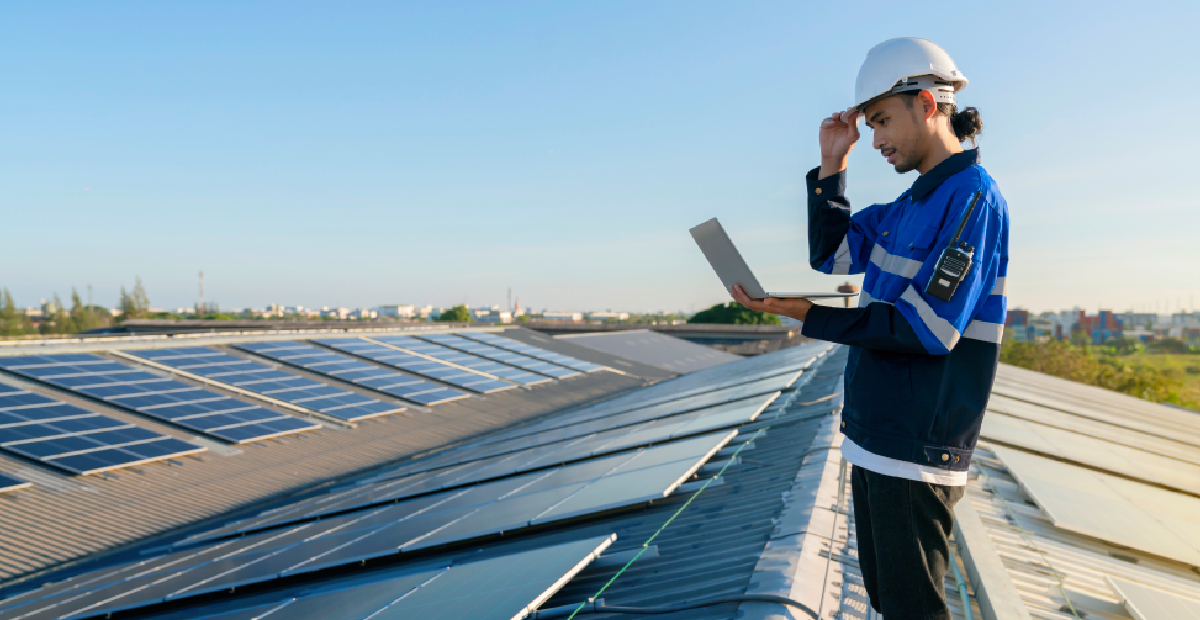
When it comes to rooftop solar setups, how something is built often reveals its true strength – or lack thereof. What sets strong systems apart? Careful checks on whether the roof can handle stress over time, years piling up. Instead of guessing, experts dig into unique local wind patterns to size mounting gear right. Instead of guessing, teams check how sunlight hits the system based on exact location coordinates. Not every angle maximizes energy flow – some need precise number crunching to hit peak performance. Out past the display units, top-tier inverters handle power flow while built-in safeguards protect against missteps. Specialized wiring joins it all without weak links hiding in regular cables. When put together correctly, every part works quietly – no sudden hazards like shorts or sparks ever light up the sky. Done right, this setup sidesteps risks like flames spreading underground or components failing early under stress. Safety stays intact when systems behave as designed through decades rather than years.
The Vetting Standard: Solar Rooftop Companies in India
Scattered yet massive, India’s solar landscape demands close attention when selecting solar rooftop providers. For any alliance to succeed, it needs to go beyond setting up systems – thinking stretches from early power assessments right into system testing after launch. Top players stand out by sticking to global safety rules like IEC and IS codes, while also guiding clients through tangled state-level rules for feeding energy back into grids. Working alongside someone who has already solved real problems keeps us clear of common traps – like using weak materials or sloppy plans that kill energy output. When promises are made back at the beginning stages, seeing them show up years later on the power meter depends entirely on steady collaboration built around solid engineering skills.
Sunshell Power: A Legacy of Intellectual Energy Consulting
What sets Sunshell Power apart? Clients aren’t purchasing tools – they’re stepping into a journey lasting two and a half decades. A path shaped by long-term planning needs careful guidance. Think of us as part of your inner circle, offering insight grounded in real-world data and precise technical analysis. When it comes to decisions of this weight, shortcuts won’t do. Our method leans on candor – calling things as they are – rather than chasing flashy outcomes. The goal? A clearer view, not just a bigger contract. Using smart simulations plus top-tier equipment, each system we craft becomes a solid budget winner. Because we look at the whole environment, work fits both efficiency and long-term safety without effort. With more than two dozen skilled engineers behind the effort, safety stays front and center – making your shift to renewable power smooth, fast, also worth every dollar.
Building a Future-Proof Commercial Solar System
Once power flows to your site, our job doesn’t stop – we keep watch through live system data, staying ahead of small issues before they grow. With expertise rooted in long-term design, commercial setups include smart sensors that catch drops in output early, avoiding financial hits later. Because shifts in renewable energy often feel overwhelming, clear advice comes built into how we serve both home and business clients alike. When you pick us, what stands out is how we treat your ideas like they matter most. Our goal fits naturally alongside yours – shaping a lasting plan that makes your energy systems reliable, steady, even something to point at with confidence. With time, this path clears room for your company to stand tall during the worldwide move toward greener power sources.
FAQs
How does commercial rooftop solar fulfill a company’s fiduciary duty ?
Fiduciary duty involves making decisions that are in the best long-term interest of the organization and its stakeholders. By investing in commercial rooftop solar, leaders mitigate the risk of energy price volatility, which is a major variable in operational expenditure. This provides the company with cost certainty and long-term financial stability that grid power cannot offer. Furthermore, as environmental regulations tighten, securing a clean energy source today prevents future compliance costs and potential penalties. Ultimately, a commercial solar system enhances the enterprise value by turning a recurring expense into a predictable, long-term capital asset.
What are the primary factors that determine the commercial solar power cost ?
The total commercial solar power cost is influenced by a combination of capital expenditure and lifetime operational savings. Key factors include the quality of the commercial pv panels, the complexity of the rooftop solar installation, and the financing model chosen (CAPEX vs. OPEX). Additionally, the availability of government incentives, such as accelerated depreciation and net-metering benefits, plays a significant role in reducing the net investment. A professional audit by experienced solar rooftop companies in India is necessary to calculate the Levelized Cost of Energy (LCOE), which provides a true picture of the unit cost of power over the system’s life.
Why is the choice of commercial pv panels critical for limited rooftop space ?
In industrial and urban commercial settings, rooftop space is often limited, making energy density a critical engineering requirement. High-efficiency commercial pv panels generate more electricity per square meter, allowing a business to maximize its generation potential within a small footprint. Lower-quality panels might seem cheaper initially, but they require more space to generate the same amount of power and often have higher degradation rates. Choosing premium panels ensures that the commercial solar system provides the maximum possible offset to grid consumption, delivering better long-term financial returns and more effective utilization of the building’s physical assets.
What technical safety standards should solar rooftop companies in India adhere to ?
Reputable solar rooftop companies in India must strictly follow international and national safety codes, such as IEC (International Electrotechnical Commission) and IS (Indian Standards). These standards govern the quality of the solar modules, the fire safety of the inverters, and the structural integrity of the mounting systems. A professional rooftop solar installation also requires advanced earthing and lightning protection to safeguard the building and its inhabitants. Adhering to these codes is essential for ensuring that the solar plant operates reliably for its full 25-year lifespan without posing a risk to the facility or violating insurance requirements.
How does a rooftop solar installation improve operational continuity for businesses ?
A meticulously planned rooftop solar installation provides an on-site source of generation that reduces dependency on the central grid. In regions prone to voltage fluctuations or load-shedding, a commercial solar system (especially when integrated with storage or hybrid capabilities) ensures that essential daylight operations remain powered. This predictability in power quality and availability is crucial for industries where production downtime leads to significant revenue loss. Furthermore, by generating power at the point of consumption, businesses avoid the inefficiencies and potential failures of the transmission and distribution network, enhancing overall energy security.