
Diagram showing the role of a Solar EPC Company in industrial solar power plant installation

Engineering resilience within an industrial solar power plant for operational continuity

5th Jan, 2026

Synopsis

When heavy industry runs, clean energy plus steady power matter most – this is where an industrial solar setup fits naturally into today’s production lines. Thinking through how these systems really work means stepping into the mindset of firms built just for solar builds, ones that handle the messy mix of combining sources. From start to finish, a look at how such solar setups come together shows why strength in design and smooth electrical flow matter so much. When factories run solar panels right on their roofs, power shifts become easier to handle. Instead of old methods fading out, newer approaches grow stronger inside modern industrial hubs. Commercial sunlight systems now adapt more closely to busy factory needs while keeping price pressures in check. With trade taxes climbing and eco-minded production on the rise, knowing how well solar setups withstand stress matters deeply.

Right now, manufacturing faces rapid shifts – energy trust shapes outcomes more than ever. When machines depend on tight precision, any flicker in voltage might break workflows, break tools, delay shipments. Because consequences are so sharp, solar setups once seen as niche options now sit at the heart of safety planning. Power made reliable on site now protects factory sites from weak spots in today’s crowded national power network. Choices here go beyond lowering emissions – they shape a tough, self-­sufficient fuel system that keeps output running when outside forces disrupt supply paths.

The Strategic Necessity of Industrial Power Resilienc

Heavy industry runs on energy – no debate there. What keeps the machines going? A steady, local source that ignores grid limits. Old-school electricity supply used to rule factories; times changed, so must thinking. Unpredictable costs? Gone with traditional setups. Spikes during rush hours? Handled differently now. Power built onsite means less surprise bills, smoother operations, control where it counts. What counts here is how well plants keep up output even when demand spikes, hitting power pressure head-on. Tying sunlight sources directly to what equipment uses day-to-day makes energy flow smoother across the day. Less stress on heavy-duty components like transformers and built-in electrical hubs follows naturally from such balance. Thinking ahead about managing electricity isn’t just smart – it sets a foundation so factories stay sharp globally, where adapting quickly and keeping lights on matter more than ever.

The Integrated Role of the Solar EPC Company

Building a high-power industrial site isn’t simple – it needs a collaborator who handles far more than machines. A skilled solar EPC firm takes full responsibility, guiding the complex web of design, sourcing, and site work. Because timing matters so much, doing it all under one roof keeps plans aligned with real-world demands and building limits. From early site checks through shading studies, Solar EPC takes care of each step before managing tricky grid connections. Because everything flows under one management, big industrial customers avoid messy split contracts. Work moves forward quickly when coordination runs tight and clear. Budget stays intact only if oversight tracks every detail. Meeting deadlines becomes easier where responsibility does not split. Long-term reliability comes not from flashy tech but steady execution behind the scenes.

Engineering Resilience: Beyond Solar Power Plant Installation

What makes an energy asset resilient isn’t obvious until later. Good engineering shows up after the fact, when solar farms are already running. In factories, electricity doesn’t behave cleanly – it shifts and lags in unpredictable ways. Inverters need to handle those irregular patterns without breaking down. Protective equipment nearby must cope too, not just perform under ideal tests. Storms, heat waves, snow – all push materials beyond normal limits. Mounting racks built with hot-dip galvanizing last longer than lighter options. Earthing connections matter just as much, ensuring electrical shocks have nowhere to hide. Details like these keep equipment safe through years of misuse. What keeps things running isn’t just equipment. Sophisticated monitoring systems using SCADA technology help track performance in real time. Instead of reacting after problems occur, predictive maintenance spots issues earlier. When trouble might arise at the grid level, fixes happen ahead of breakdowns. That kind of reliability turns basic solar setup into something smarter, adaptive within larger industrial networks.

Optimizing the Industrial Solar Rooftop for High-Load Efficiency

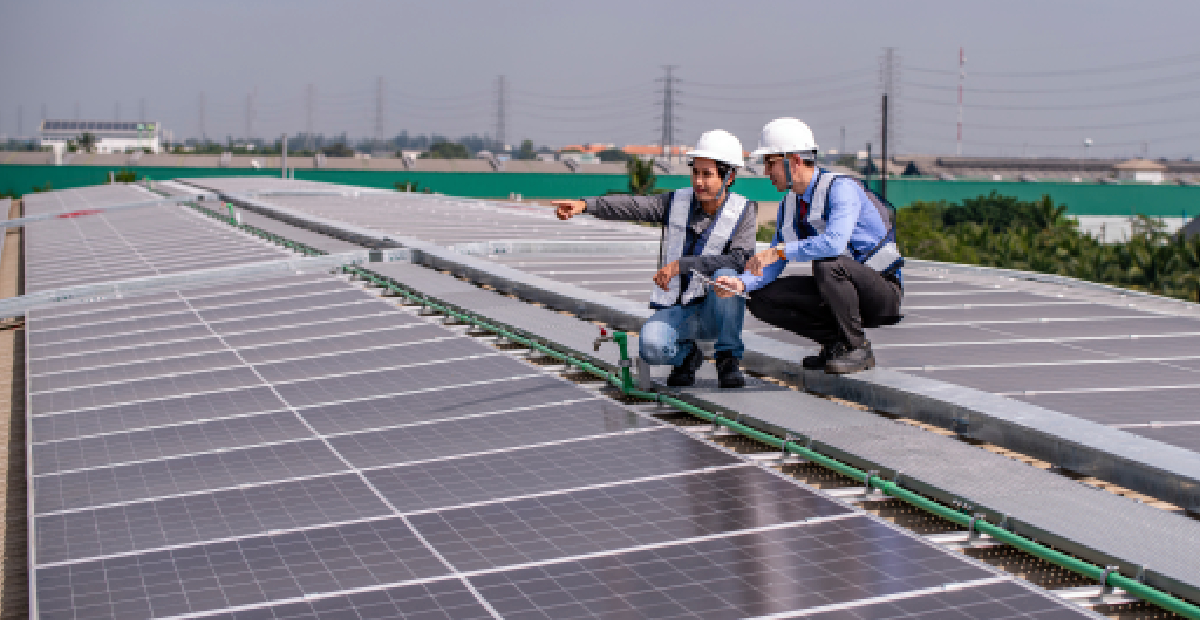
Out here in the industrial world, you usually find big open areas on rooftops just sitting idle – plenty of room to turn sunlight into real power. Figuring out how much weight these roofs can handle involves more than just slapping panels on top; it takes careful thought about heat buildup and structure limits. When done right, solar setups here don’t only feed energy into the grid – they also help keep things cooler come July by adding a quiet form of shielding. Right where cooling towers stick out, shadows can mess with sunlight. Watching each section carefully helps avoid dropping performance across the whole array. Because of that focus, the system up high brings in more power – matching needs tied to heavy factory work. That boost isn’t just useful, it shows up in operating results.

The Evolving Landscape of Commercial Solar Power

Nowadays, ways to sell solar energy keep changing fast – it’s not only about basic rooftop panels anymore. Instead, what stands out is how often photovoltaics blend into hybrid setups, linked with high-capacity batteries plus intelligent power tracking. These setups make sure daytime surplus finds space to use later when demand rises. Avoiding costly bill spikes during prime-hour delivery becomes possible because storage holds what would otherwise go wasted. What happens moment by moment in how power moves through a system now holds real value for companies. Watching electricity form and get used immediately reveals where work slows down. Seeing these patterns clearly helps teams predict costs more accurately. Leading in today’s tech-driven factory era means treating power and information alike – as connected forces, not separate things.

Managing the Commercial Solar Installation Cost Paradox

Even though sunlight-powered factories bring lasting gains, starting price tags for business solar setups still grab attention from leaders. Think of it less like spending, more like covering energy needs for two and a half decades upfront. Smart buying along with repeatable design methods helps lower initial bills – yet cutting corners on parts leads straight into bigger troubles down the road. Even though high-efficiency modules and top-tier inverters cost more at first, they often require less overall spending due to better energy output and fewer repairs. Because these systems qualify for perks such as fast depreciation and access to net metering programs, actual expenses drop quickly. Financial gains outpace early costs within just a couple of years, making them a strong value despite the higher starting price.

Sunshell Power: Engineering Continuity for Global Industry

What drives Sunshell Power isn’t just technology – it’s trust. Built on the idea that solar setups should match the strength of the factories they serve, reliability becomes central. Think of us less as common contractors, more as precision engineers focused on site-specific performance. Instead of rushing into plans, real scrutiny happens early – flaws get uncovered only when they matter most. Design follows evidence, shaping systems that handle what you really need, not just theory. Right from the start, real connection means staying close to those using the system – offering smart web tools and early oversight to keep things running smoothly. When you join us, it is about prioritizing solid design and meaningful results for you, making the shift to cleaner power both reliable and highly rewarding.

Building a Future-Proof Industrial Energy Strategy

What we offer shows clearly through the group of more than 30 skilled workers guiding each part of building solar facilities. Specializing in getting full value from rooftops on industrial sites means no wasted space when turning sunlight into power. Clear advice and solid technical support come standard, especially as rules shift around business-scale solar setups. Getting strong returns on investment isn’t guesswork – it’s built into how we handle expenses tied to setting up commercial solar systems. What matters most is how people live within the environment, meeting strict safety rules so everyone on site stays safe. By aligning design with real needs, a strong foundation takes shape – one that keeps your plant running smoothly, holding its edge over time, while lasting long into the future.

FAQs

A solar setup in industry pulls energy inside, not just from the outside supply. Power made locally softens the blow when voltage jumps or the main grid fails – something common during exacting factory work. With smart tracking tools or backup reserves tied in, vital workflows stay shielded from wild shifts in electric flow. What holds everything together is how steady this power supply runs. That consistency keeps production moving smoothly, day after day, even when tight deadlines loom. Plants stay online, machines keep working, worldwide shipments arrive on time – all because outages aren’t likely.

One major plus: handling tech and money risks under one clear umbrella. When it comes to industrial work, building design, tower construction, power systems, and paperwork tangle together like knotted wire. From early light studies right through to power-on testing, a dedicated Solar EPC team keeps things moving smoothly. That kind of focused care avoids spreading problems across too many hands. With all areas covered together, the solar setup meets strict quality, safety, and long-term operation standards – lasting two and a half decades. Because every piece fits within a unified approach, mistakes from misaligned teams tend to vanish, along with the time losses they bring.

Starting strong means checking how much weight the roof can handle before putting in solar panels. When today’s setup might struggle under new weight, experts plan special holding points or stronger backing methods – safety always comes first. Modern rooftop solar systems are built light but hold firm, using tough stuff such as strong aluminum or protected steel that lasts. What stands out is how the electrical setup stays apart from shaking machinery at high speeds. This separation keeps solar equipment running smoothly – free from physical shocks or hidden electrical disruptions.

Spending on commercial solar systems makes sense when it takes over the role of shifting unpredictable utility costs. By 2026 in India, businesses using solar energy often see returns within three to five years, following which they get nearly costless electricity. When laying out options, showing an LCOE breakdown helps reveal how much cheaper sunlight-based power is compared to utility rates across two and a half decades. Right away, the move brings tax perks – faster write-offs on equipment – while also lifting how the company is viewed by environmentally aware investors and overseas suppliers alike.

Nowadays, companies abroad selling things such as cars or dyes expect suppliers to show real effort in cutting emissions. Using solar energy for operations means output can clearly measure less carbon. Being seen as environmentally responsible tends to open doors – especially when bidding on major overseas deals or drawing funding from those who care about planet health. Energy made locally at the site cuts down pollution from operations, while showing how companies can lead by example – the sunlight-powered roof becomes proof of responsible practice, plus a quiet driver for future business success.

You might also like
Diagram showing the assembly layers in pv panel construction
15th Jan, 2026
The scientific genesis of a solar power plant from the construction of a solar cell

Synopsis The worldwide energy transformation depends on tiny photovoltaic effects which take place inside individual semiconductor wafers. This article traces the transformative journey from the precise construction of a solar cell to its scalable manifestation as a utility-scale solar power plant. We delve into the meticulous manufacturing stages that define quality and longevity in pv […]
View More...
Diagram showing the growth metrics of a successful solar power plant business
8th Jan, 2026
Scaling the solar plant business through intellectual capital and strategic consulting

Synopsis A sustainable solar plant business needs to establish itself in 2026 through installation capacity and requires both technical knowledge and ethical business practices. The blog provides essential methods for building a profitable solar power plant business which depends on an experienced solar power consultant to handle market challenges. Our method which combines data with […]

View More...
Diagram illustrating the water lift capacity of a Surface Solar Pump from a canal
6th Jan, 2026
The strategic evolution of the solar water pump in sustainable rural infrastructure

Synopsis Even as India faces steady challenges in accessing water and managing uneven shifts in energy costs, turning to solar-powered pumps has become unavoidable for long-term survival of farm economies. Rather than rely on old-school machinery, switching to clean-energy systems offers a clearer path forward – one tied directly to ensuring both power and food […]

View More...