Floating Solar Power Plants and Floating Solar Power Stations – Unlocking Untapped Water Surfaces for Renewable Energy

12th Aug, 2025

Synopsis

The renewable energy sector experiences a transformative shift through the development of floating solar power plants and floating solar power stations. The increasing scarcity of land and rising demand for clean energy make these water-based installations an efficient solution because they use reservoirs and lakes and other calm water bodies to generate solar energy. The installation of photovoltaic modules on floating platforms enables floating solar power plants to solve land conflicts while minimizing water loss and enhancing solar panel performance through natural temperature regulation. The systems find success in densely populated regions where land availability is scarce because they serve both urban and rural areas effectively. The floating solar power station concept supports sustainable water and energy management approaches because it can work alongside hydroelectric plants to achieve maximum power generation. Floating solar technology provides various advantages including greenhouse gas emission reduction and energy security support. This blog examines floating solar power plant design and construction methods and their costs and integration approaches while presenting global and Indian case studies and policy support and analyzing how this technology supports renewable energy targets. Organizations that think ahead now view floating solar as their main opportunity to expand their clean energy operations.

 Introduction to Floating Solar Technology 

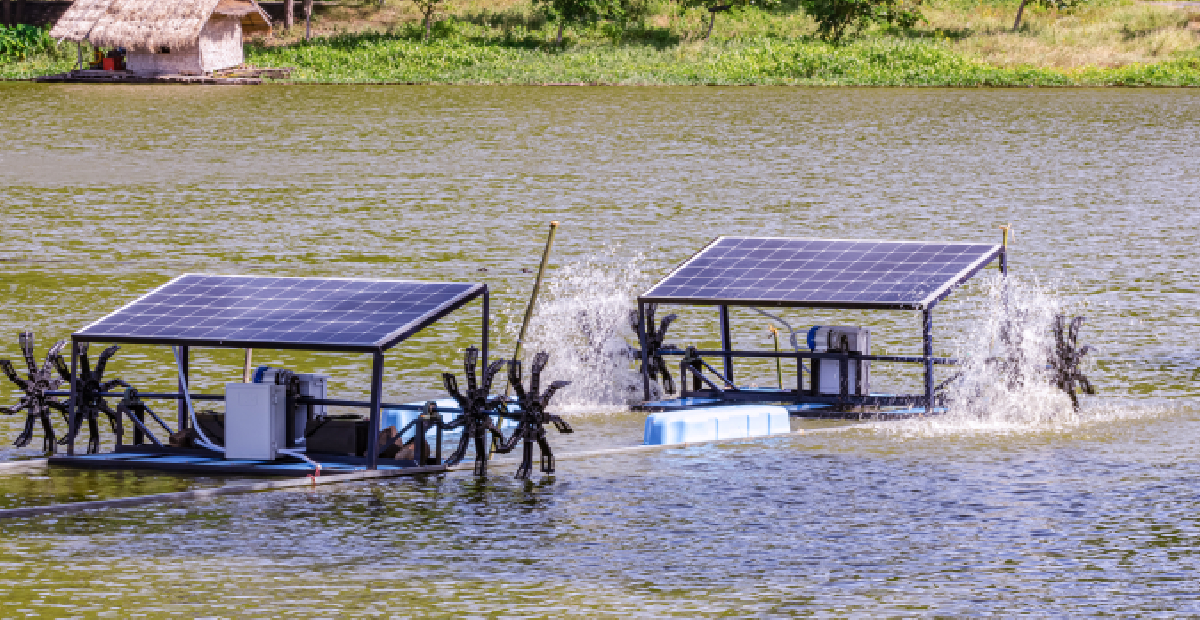
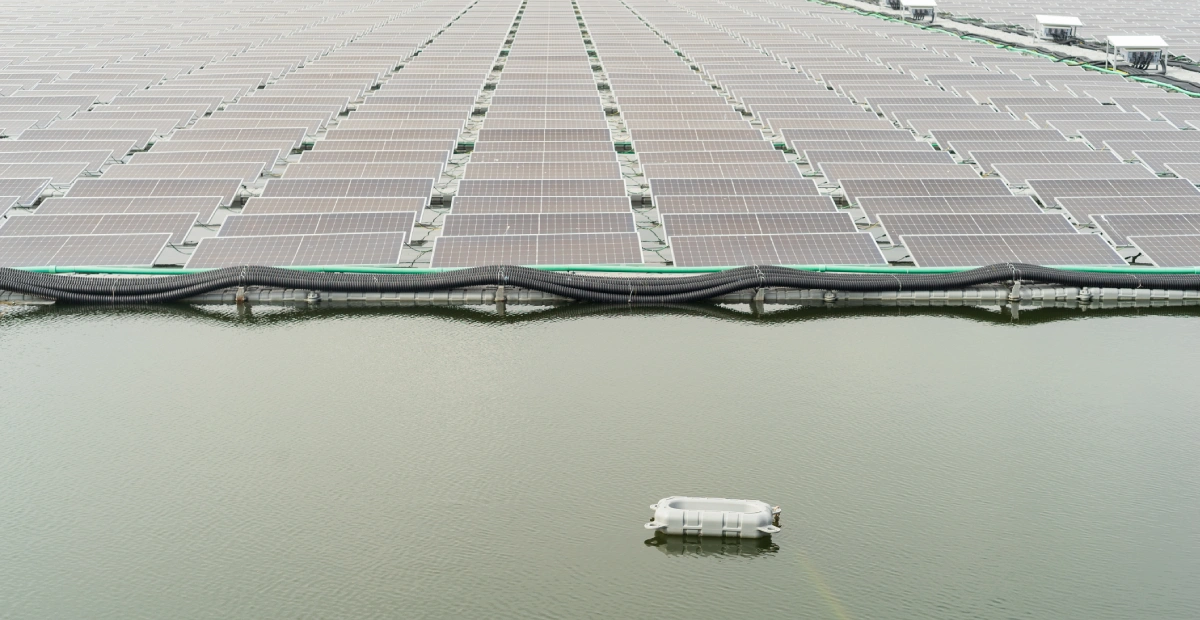
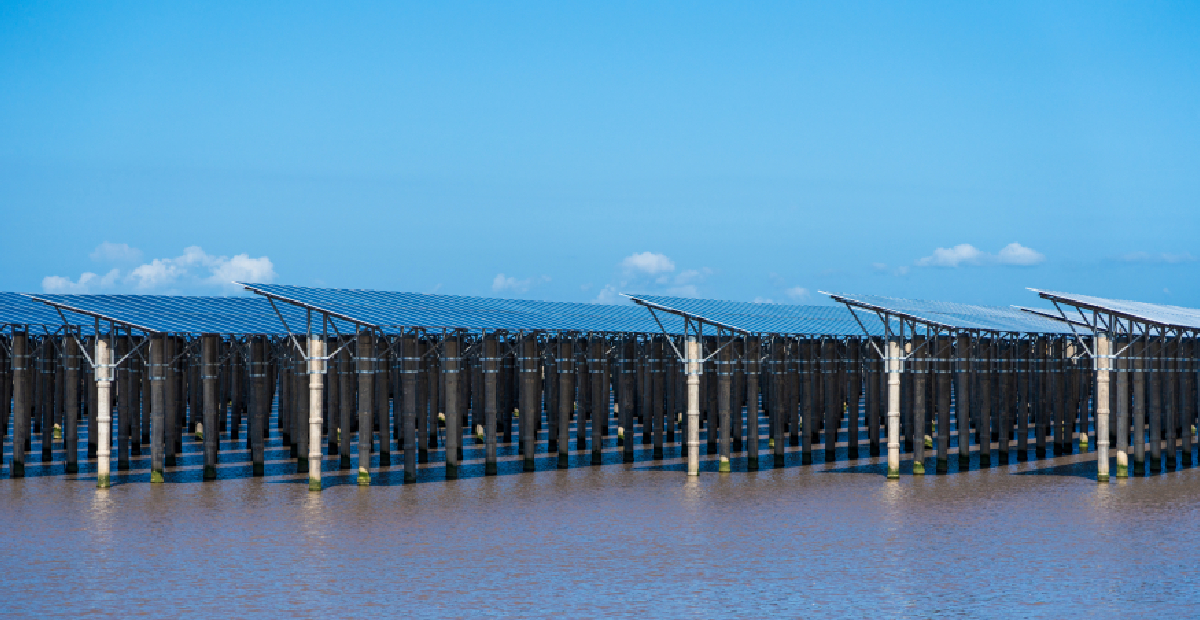
A floating solar power plant consists of photovoltaic panels installed on buoyant structures which enable solar panel placement above water surfaces.  The installations function on reservoirs and lakes and industrial water bodies and near-shore marine environments. The technology has progressed from experimental beginnings to become major solar energy projects which now operate at hundreds of megawatts worldwide.

 Why Floating Solar Power Plants Matter 

The limited availability of land for big solar power energy projects makes water-based deployment an efficient sustainable solution.  Floating solar power stations also help in reducing water evaporation, a critical advantage in drought-prone regions. The reflective properties of water enhance solar panel efficiency by providing better cooling than traditional land-based systems.

Benefits Over Land-Based Solar Installations 

Floating solar plants deliver advantages that surpass land preservation benefits.  Benefits include:

    • Higher energy yield due to cooling effect of water
  • No requirement for expensive land acquisition
  • Reduced algae growth and improved water quality
  • Possibility of hybridisation with hydroelectric facilities to maximise infrastructure use

The combined advantages of floating solar power plants make them an attractive option for contemporary renewable energy development.

Technical Design and Construction Aspects 

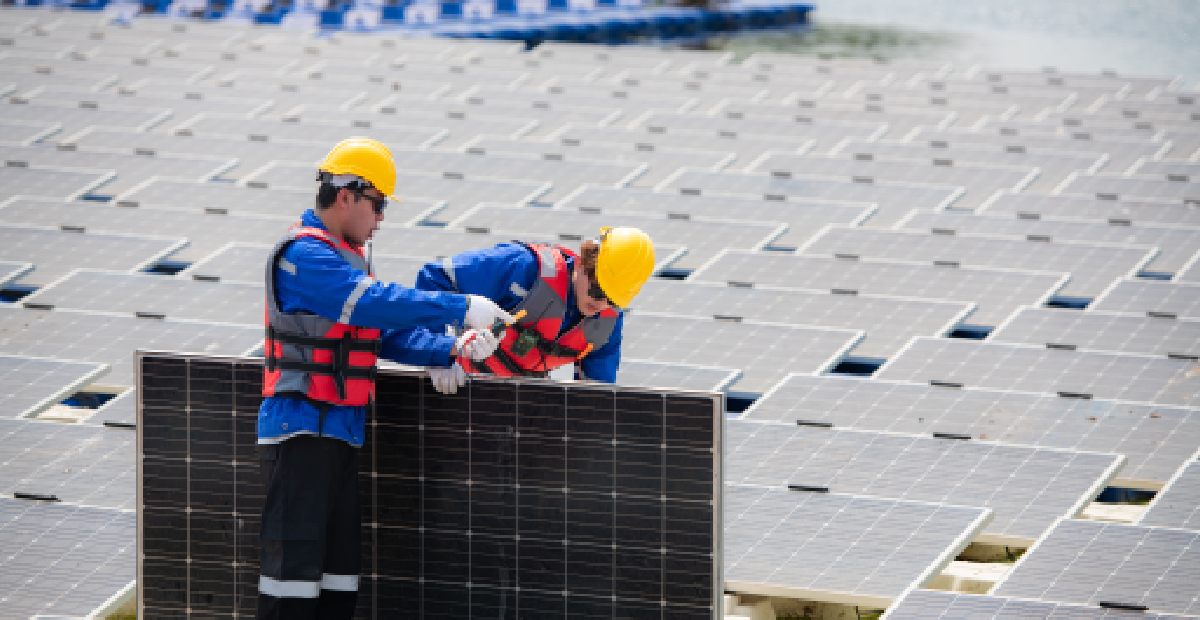
A standard floating solar plant includes floating pontoons or rafts together with anchoring systems and PV modules and electrical equipment that can be located either onshore or on floating platforms.  The designs need to consider wind loads and water level fluctuations and environmental impact. In India, projects also integrate corrosion-resistant materials and efficient cabling solutions to suit local climatic conditions.


 Cost Factors and Return on Investment 

The installation cost of floating solar power plants exceeds ground-mounted systems because they require specialized floating structures and anchoring mechanisms.  The difference in cost is offset by land cost savings and improved efficiency and potential revenue from carbon credits. The return on investment (ROI) period ranges from 6 to 8 years based on project dimensions and geographical location and available financial incentives.

Policy Support and Market Trends

The Indian renewable energy strategy promotes innovative floating solar projects to achieve its ambitious renewable energy targets.  The expansion of this sector has been driven by government-backed tenders and public-private partnerships and subsidies for clean energy. The National Thermal Power Corporation (NTPC) and Solar Energy Corporation of India (SECI) have already initiated large-scale floating solar power stations on reservoirs.

 Integration with Existing Energy Infrastructure 

Floating solar power systems integrate well with hydroelectric dams through the creation of combined power generation systems that utilize existing transmission networks. The combined system decreases expenses while providing stable power output through solar power integration with hydropower storage functions which enhances grid stability.

FAQs

A floating solar power plant is a renewable energy installation that mounts photovoltaic panels on floating structures placed on water bodies. It generates electricity while conserving land and enhancing panel efficiency.

A floating solar power station generates electricity through PV panels installed on floating platforms which convert sunlight into power. The generated power is then fed into the grid or used directly on-site.

Yes, floating solar plants are generally more efficient because the cooling effect of water maintains optimal panel temperatures, resulting in higher energy output.

Costs include floating structures, anchoring systems, and installation logistics. Although higher than land-based systems, these are offset by land savings and improved efficiency.

Yes, floating solar power plants can be integrated with hydroelectric projects, sharing infrastructure and ensuring consistent energy supply through complementary generation methods.


You might also like
Diagram showing the assembly layers in pv panel construction
15th Jan, 2026
The scientific genesis of a solar power plant from the construction of a solar cell

Synopsis The worldwide energy transformation depends on tiny photovoltaic effects which take place inside individual semiconductor wafers. This article traces the transformative journey from the precise construction of a solar cell to its scalable manifestation as a utility-scale solar power plant. We delve into the meticulous manufacturing stages that define quality and longevity in pv […]
View More...
Diagram showing the growth metrics of a successful solar power plant business
8th Jan, 2026
Scaling the solar plant business through intellectual capital and strategic consulting

Synopsis A sustainable solar plant business needs to establish itself in 2026 through installation capacity and requires both technical knowledge and ethical business practices. The blog provides essential methods for building a profitable solar power plant business which depends on an experienced solar power consultant to handle market challenges. Our method which combines data with […]

View More...
Diagram illustrating the water lift capacity of a Surface Solar Pump from a canal
6th Jan, 2026
The strategic evolution of the solar water pump in sustainable rural infrastructure

Synopsis Even as India faces steady challenges in accessing water and managing uneven shifts in energy costs, turning to solar-powered pumps has become unavoidable for long-term survival of farm economies. Rather than rely on old-school machinery, switching to clean-energy systems offers a clearer path forward – one tied directly to ensuring both power and food […]

View More...