Floating Solar Power Plants and Floating Solar Power Stations – Unlocking Water-Based Renewable Potential

27th Aug, 2025

Synopsis

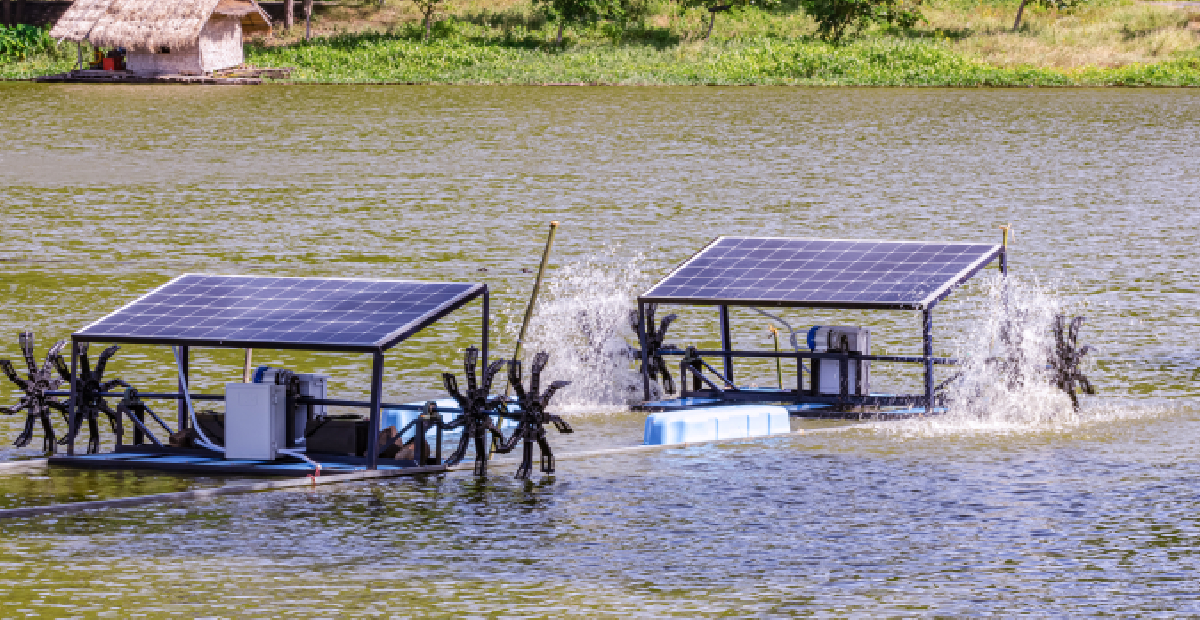
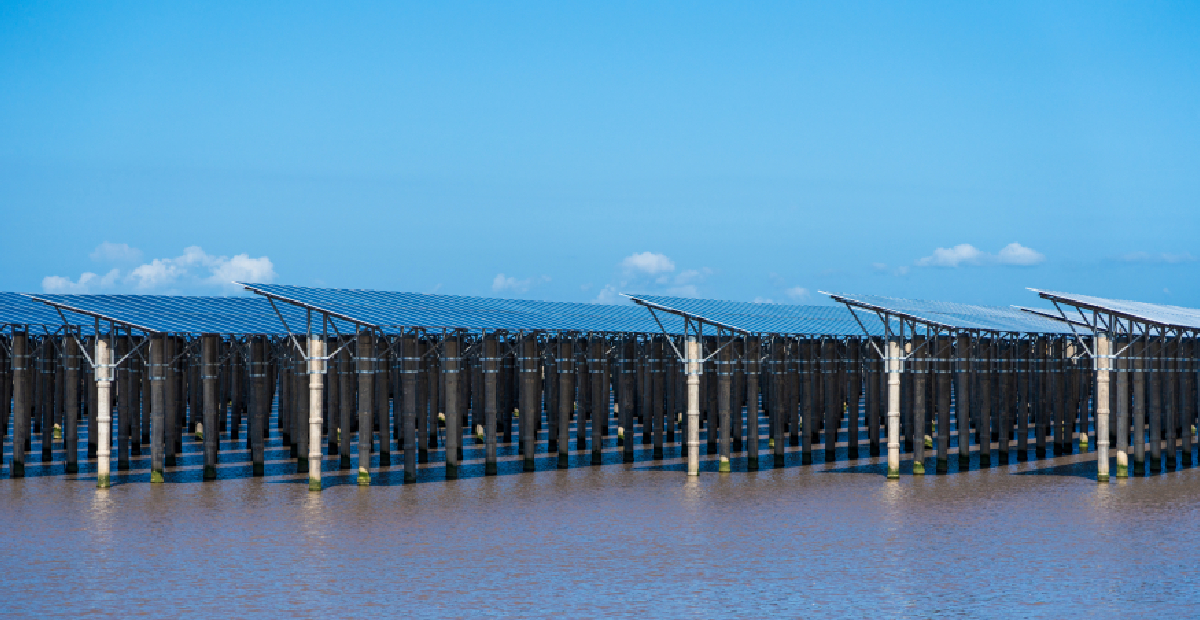
Floating solar power plants and floating solar power stations transform renewable energy project deployment strategies for areas with scarce land resources. The installation of photovoltaic modules on water reservoirs and lakes and industrial ponds enables maximum space utilization and enhances panel performance through natural cooling while minimizing water evaporation. The concept proves particularly beneficial for densely populated nations and regions with multiple land requirements because it enables power generation without requiring the replacement of agricultural or urban areas. The floating solar power plant model provides flexible deployment options which range from small community installations to large-scale floating solar power stations that connect to national power grids. Water-based installations experience reduced shading issues while providing steady power output and enabling dual-purpose operations between hydropower and solar hybrid systems. The innovative solar energy projects decrease greenhouse gas emissions while serving climate adaptation goals by safeguarding water resources. This blog examines the engineering aspects of floating PV systems together with their costs and worldwide adoption patterns and their capability to fulfill upcoming renewable energy requirements.

 Introduction to Floating Solar Technology 

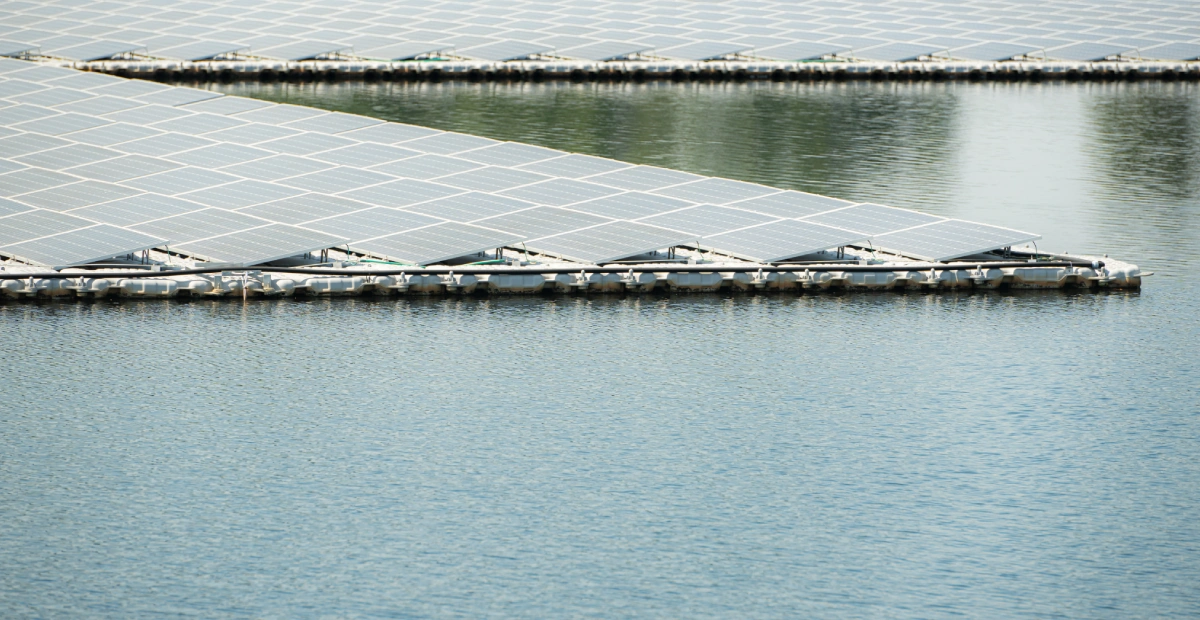
The solar energy sector includes floating solar as an emerging technology which uses photovoltaic arrays supported by buoyant platforms that rest on water bodies through anchoring systems. The concept started as a response to land shortages in certain countries before becoming a worldwide phenomenon because of its special operational benefits. The cost reduction of solar PV systems has transformed floating solar power plants from specialized innovations into standard renewable energy solutions.

 Advantages of Floating Solar Power Plants

Floating solar power plants deliver advantages which extend past the protection of land areas.  The water cooling system enhances panel efficiency by 5–15% above traditional land-based solar power systems. The technology decreases water evaporation which makes it beneficial for regions that experience droughts. The lack of extensive land clearing operations results in reduced environmental effects and faster regulatory approval processes.

Large-Scale Floating Solar Power Stations 

The expansion of these installations results in floating solar power stations which produce hundreds of megawatts of electricity.  The power generated by these projects feeds directly into utility grids or industrial complexes to provide dependable renewable energy. The combination of hydropower plants with solar power systems enables the use of common infrastructure and produces more reliable power generation during periods of changing weather.

 Technical Design and Installation Challenges 

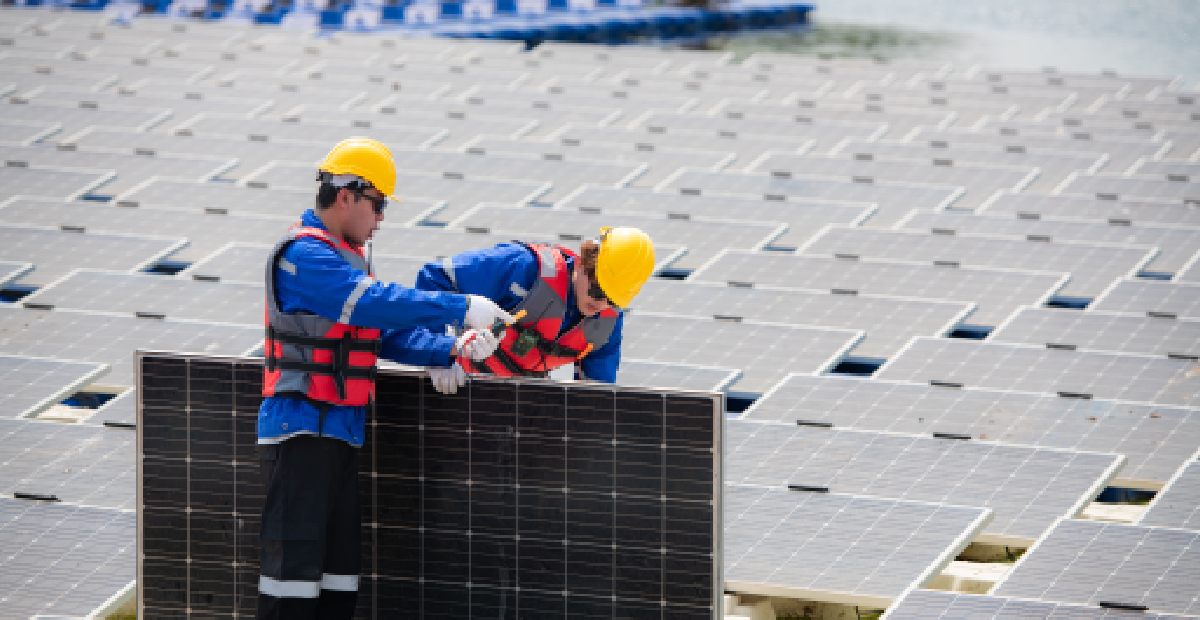
The deployment of floating solar power plants demands precise engineering solutions to manage wind loads and wave action and maintain anchor stability.  Materials need to endure extended water contact while resisting corrosion. The electrical components including cabling and inverters and junction boxes undergo special design for marine or freshwater applications to maintain both safety and performance throughout their operational lifespan.

 Cost Efficiency and ROI Analysis 

The floating solar power station model requires higher initial expenses because of specialized structures yet operational savings and improved efficiency usually make up for this cost.  The payback period for these projects extends between 6–9 years based on project size and location and financing structure. The deployment of innovative renewable energy systems becomes more profitable through available incentives.


 Environmental and Climate Benefits 

Floating PV reduces land-use conflicts, supports biodiversity by limiting excessive sunlight penetration into water, and contributes to climate resilience. They enhance grid stability and reduce fossil fuel dependence when integrated with existing solar power projects by creating diverse energy portfolios.

Global Case Studies and Adoption Trends

Countries such as Japan, China, and Singapore are leading in floating solar power plant deployment, with projects ranging from small community-based systems to gigawatt-scale solar power energy projects. In India, reservoirs attached to hydroelectric dams are prime sites for hybrid floating solar installations.

FAQs

A floating solar power plant is a photovoltaic system installed on a water body using buoyant platforms. It generates renewable energy while conserving land.

A floating solar power station is typically larger, designed for grid-scale generation, and often hybridised with hydropower or other large-scale energy infrastructure.

Yes, the water cooling effect can improve energy efficiency by up to 15%, making floating solar power plants particularly effective in warm climates.

With proper materials and maintenance, floating solar power stations can operate efficiently for 25–30 years, similar to traditional solar plants.

These projects conserve land, reduce water evaporation, limit algae growth, and contribute to sustainable solar power projects without major ecological disruption.

You might also like
Diagram showing the assembly layers in pv panel construction
15th Jan, 2026
The scientific genesis of a solar power plant from the construction of a solar cell

Synopsis The worldwide energy transformation depends on tiny photovoltaic effects which take place inside individual semiconductor wafers. This article traces the transformative journey from the precise construction of a solar cell to its scalable manifestation as a utility-scale solar power plant. We delve into the meticulous manufacturing stages that define quality and longevity in pv […]
View More...
Diagram showing the growth metrics of a successful solar power plant business
8th Jan, 2026
Scaling the solar plant business through intellectual capital and strategic consulting

Synopsis A sustainable solar plant business needs to establish itself in 2026 through installation capacity and requires both technical knowledge and ethical business practices. The blog provides essential methods for building a profitable solar power plant business which depends on an experienced solar power consultant to handle market challenges. Our method which combines data with […]

View More...
Diagram illustrating the water lift capacity of a Surface Solar Pump from a canal
6th Jan, 2026
The strategic evolution of the solar water pump in sustainable rural infrastructure

Synopsis Even as India faces steady challenges in accessing water and managing uneven shifts in energy costs, turning to solar-powered pumps has become unavoidable for long-term survival of farm economies. Rather than rely on old-school machinery, switching to clean-energy systems offers a clearer path forward – one tied directly to ensuring both power and food […]

View More...