Solar Solutions for MSMEs – Empowering Small Businesses with Energy Independence

23rd Jun, 2025

Synopsis

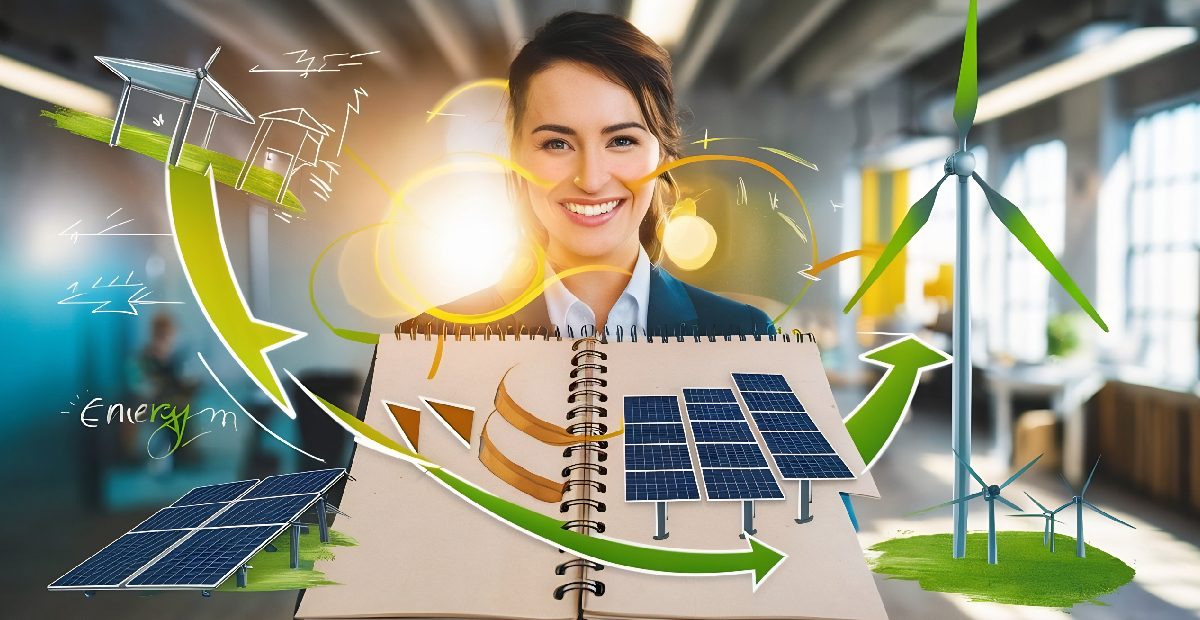
The economic foundation of India depends on its Micro, Small, and Medium Enterprises (MSMEs) yet these businesses face difficulties with expensive electricity costs and unreliable power supply. This blog investigates how solar energy can benefit MSMEs through long-term cost reductions and energy independence and enhanced operational performance.

The content presents different solar solutions which suit MSMEs including rooftop solar systems and hybrid battery backup systems and ground-mount panels for bigger facilities. The article explains the financial advantages of solar power adoption which include lower energy expenses and short payback periods and government subsidies through PM-KUSUM and Rooftop Solar Programme Phase II.

The blog addresses typical MSME concerns about initial costs and roof conditions and maintenance requirements by providing practical examples and easy financing structures and payment plans. The article provides a method for MSMEs to determine their return on investment by analyzing load profiles together with area availability and subsidy eligibility.

The article demonstrates that solar energy serves as a competitive advantage which enhances green credentials and ESG ratings and supports sustainable growth. This piece targets business owners and cooperative societies and industrial area developers and state-level energy consultants.

Introduction – Powering India’s MSMEs with the Sun 

A Smarter Way to Cut Costs

Indian MSMEs choose solar power because it helps them reduce their electricity expenses and maintain reliable power supply. The combination of decreasing solar prices and increasing commercial electricity rates makes solar transition an essential choice for businesses.

Why MSMEs Are Ideal Candidates for Solar 

Low Load, High Impact

The 10–250 kW load range of MSMEs makes them suitable for rooftop solar adoption. The peak daylight operations of these businesses match solar output patterns which enables them to decrease their dependence on the grid without needing storage systems.

Rooftop vs Ground-Mount: What Works for Small Business 

 Tailoring Systems to Space

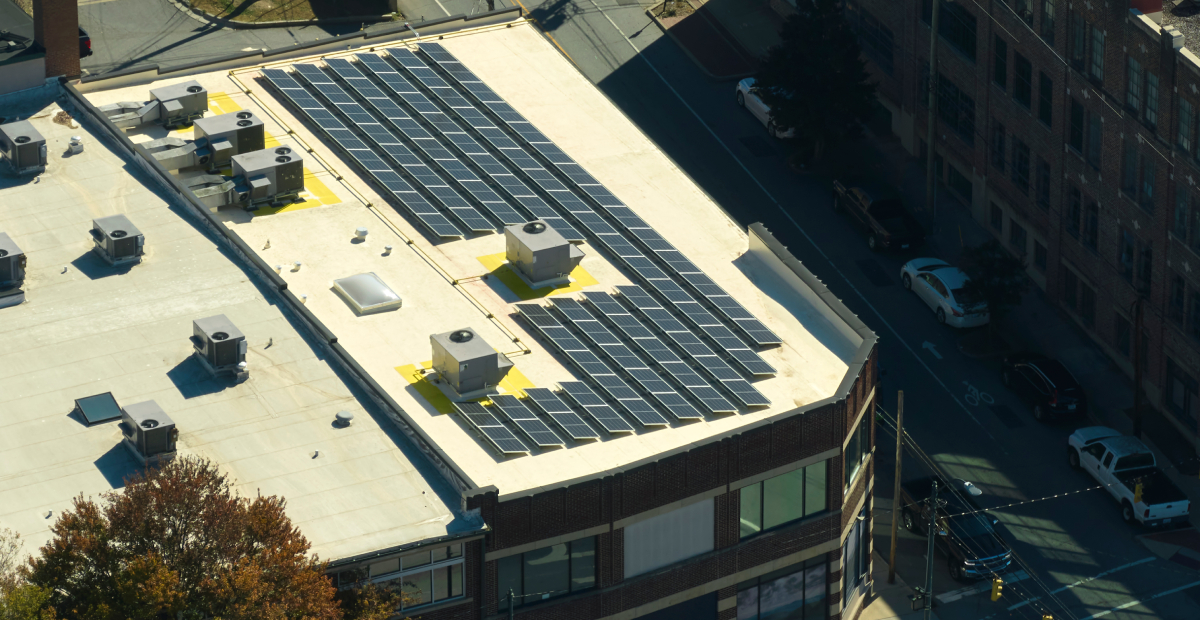
The urban small units can use rooftop solar while peri-urban MSMEs with larger plots can consider small ground-mount or hybrid installations. System design heavily depends on orientation and roof strength and structural support.

Navigating Subsidies and Financing Models 

 Making Solar Affordable

The Rooftop Solar Phase II program of India provides a maximum capital subsidy of 40% for systems smaller than 10 kW and 20% for systems between 10 kW and 500 kW. The subsidies are valid for residential spaces. MSMEs can obtain collateral-free loans and RESCO models which provide zero upfront costs, but these vary from state to state.

ROI Analysis: Calculating Energy Savings and Payback 

 From Expense to Asset

Most MSMEs recover solar investments within 3–5 years. A 50 kW system can save ₹6–8 lakhs annually, depending on location and usage. The returns from net metering become faster because it provides credits for any excess energy generated.

Overcoming Concerns Around O&M and Roof Conditions 

 Maintenance-Free and Modular

The modern systems require minimal upkeep because smart inverters send immediate alerts to users. The installation of lightweight structures combined with certified mounting solutions provides both safety and durability for older roofs.

ESG and Green Brand Advantages 

 A Competitive Edge

The implementation of solar power systems helps businesses gain a competitive advantage which becomes vital for export success and investor trust and regulatory compliance. MSMEs that use solar power can obtain ESG-linked loans and tax benefits.

Conclusion – Energy Independence for Growth 

 Solar is No Longer Optional

The adoption of solar power by India’s 63 million MSMEs enables them to control costs while building operational resilience and establishing a modern brand image. The time has come for businesses to transition to solar power because of supportive policies and established models.

FAQs

MSMEs can reduce their electricity expenses through solar power while gaining independence from power grids and achieving better operational performance. The implementation of solar power systems enhances both sustainability ratings and enables businesses to create long-term financial plans.

Yes. The national rooftop solar programme provides MSMEs with capital subsidies up to 40% together with soft loans for rooftop solar installations.

MSMEs can determine their solar return on investment by analyzing their power bills and roof dimensions and system capacity. The payback period for solar installations spans between 3 to 5 years with faster returns observed in regions with high electricity tariffs.


Not significantly. Modern solar systems need only occasional cleaning and distant monitoring to function properly. MSMEs can maintain smooth operation through O&M contracts which require minimal effort.

Yes. MSMEs can use RESCO and leasing models to pay for solar energy by unit while avoiding capital costs and reducing their electricity expenses.


You might also like
Diagram showing the assembly layers in pv panel construction
15th Jan, 2026
The scientific genesis of a solar power plant from the construction of a solar cell

Synopsis The worldwide energy transformation depends on tiny photovoltaic effects which take place inside individual semiconductor wafers. This article traces the transformative journey from the precise construction of a solar cell to its scalable manifestation as a utility-scale solar power plant. We delve into the meticulous manufacturing stages that define quality and longevity in pv […]
View More...
Diagram showing the growth metrics of a successful solar power plant business
8th Jan, 2026
Scaling the solar plant business through intellectual capital and strategic consulting

Synopsis A sustainable solar plant business needs to establish itself in 2026 through installation capacity and requires both technical knowledge and ethical business practices. The blog provides essential methods for building a profitable solar power plant business which depends on an experienced solar power consultant to handle market challenges. Our method which combines data with […]

View More...
Diagram illustrating the water lift capacity of a Surface Solar Pump from a canal
6th Jan, 2026
The strategic evolution of the solar water pump in sustainable rural infrastructure

Synopsis Even as India faces steady challenges in accessing water and managing uneven shifts in energy costs, turning to solar-powered pumps has become unavoidable for long-term survival of farm economies. Rather than rely on old-school machinery, switching to clean-energy systems offers a clearer path forward – one tied directly to ensuring both power and food […]

View More...