
Solarising Rural Healthcare: Reliable Power for Clinics and PHCs

14th Jul, 2025

Synopsis

The delivery of healthcare in rural areas depends heavily on power supply systems yet these systems receive insufficient attention. This blog examines how solar energy transforms rural clinics and primary health centers (PHCs) through its ability to deliver continuous affordable renewable power.

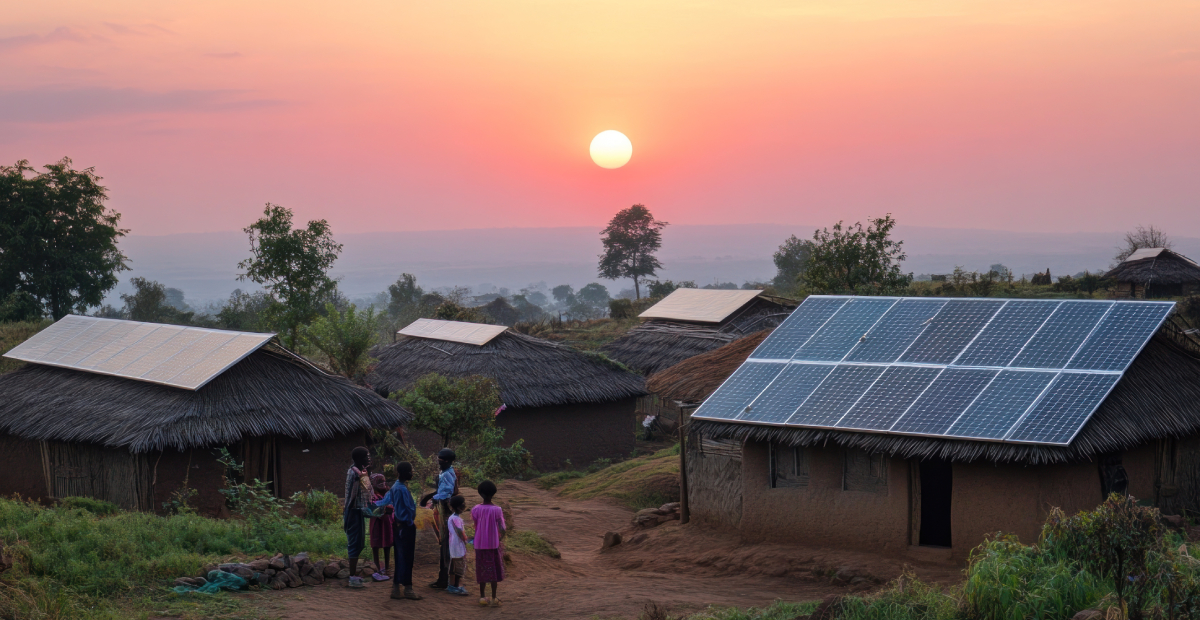
The lack of reliable power supply at rural health facilities creates problems for maintaining vaccine refrigeration and equipment sterilization and continuous patient care. Solar power systems for rural clinics maintain continuous operation of medical equipment together with lighting and communication systems. The article presents actual implementations of off-grid solar power solutions which serve remote villages throughout Uttar Pradesh Jharkhand and the Northeast region.

The article demonstrates how small solar hybrid systems with battery storage can be tailored to meet the needs of rural health facilities. The article provides detailed information about the energy requirements for PHCs which include outpatient rooms together with labour wards and labs and emergency lighting. The article examines central and state government initiatives which provide financial support for solar systems installed in healthcare facilities.

The blog presents a compelling argument for clinic solar backup systems because they serve both climate protection and healthcare equality purposes. The content targets healthcare administrators together with CSR heads and government officials and NGOs who want to enhance rural healthcare results through decentralized energy solutions.

Introduction – Energy Poverty in Rural Healthcare 

 Power Gaps Undermine Health Access

The unreliable power supply in rural India prevents millions of people from obtaining dependable healthcare services. Solar energy for healthcare provides a solution to this problem by supplying reliable off-grid power for vital healthcare operations in clinics and PHCs.

Why Rural Clinics Need Reliable Power 

 Saving Lives Needs Consistent Energy

Electricity serves as an essential power source for childbirth operations and vaccine refrigeration and diagnostic equipment operation. Solar power installations at rural clinics maintain health center operations during times of power shortages and disasters.

Customised Solar Power for Clinics and PHCs 

 Designing Solar for Small-Scale Health Units

Off-grid solar solutions can power fans, lights, vaccine fridges, sterilisation tools, and communication systems. These setups with battery backup systems maintain operational independence during periods of cloud cover or rain.

Real-World Use Cases and Models

 From Jharkhand to Assam – Success Stories

Rural clinics in Jharkhand, tribal PHCs in Chhattisgarh, and flood-prone centres in Assam have adopted solar backup systems. These models showcase how energy access for healthcare transforms rural health outcomes.

Government Support and Policy Incentives 

 Schemes that Power Health with the Sun

The National Health Mission together with Smart Gram Yojana and State Renewable Energy Policies provide subsidy programs for healthcare solar infrastructure which accelerates adoption in underserved areas.

Impact on Patient Care and Health Outcomes 

 From Emergency Lighting to Vaccine Storage

Solar energy provides timely surgeries and maternal care and emergency responses. The system builds trust in rural facilities while keeping patients and improving child immunization rates significantly.

Solar’s Role in Healthcare Equity 

 Bridging the Urban-Rural Divide

The access to energy for healthcare represents a fundamental aspect of social justice. Solarisation enables the delivery of health services to all communities by removing power limitations which ensures nationwide inclusive health delivery.

Recommendations for NGOs and Local Governments

 Scale through Partnership and Planning

Local governments together with CSR-backed NGOs should partner with EPCs to implement solar solutions. Site-specific needs, battery sizing, and long-term O&M planning ensure sustainable deployment.

FAQs

Rural health centers operate without reliable power supply because they lack connection to the electrical grid. Solar energy generates sustainable clean power that enables healthcare facilities to maintain essential lighting and equipment and refrigeration systems for saving lives.

A 3–5 kW hybrid solar system with battery backup represents the appropriate size for powering a standard rural PHC. The system operates outpatient services and basic diagnostics and provides power for fridges and labour rooms.

The MNRE and National Health Mission along with state-specific subsidies offer funding support for solar power installations in rural clinics and PHCs. The programs lower initial expenses while creating sustainable operations.

Properly sized solar systems maintain the power supply for vital medical equipment such as vaccine refrigerators and examination lights and sterilisation units. The battery storage system provides continuous power availability throughout the day.

NGOs together with corporate donors can either fund complete solar project solutions or work with existing government programs. The organization plays an essential role in filling infrastructure gaps that exist in health facilities which serve underserved populations.

You might also like
Diagram showing the assembly layers in pv panel construction
15th Jan, 2026
The scientific genesis of a solar power plant from the construction of a solar cell

Synopsis The worldwide energy transformation depends on tiny photovoltaic effects which take place inside individual semiconductor wafers. This article traces the transformative journey from the precise construction of a solar cell to its scalable manifestation as a utility-scale solar power plant. We delve into the meticulous manufacturing stages that define quality and longevity in pv […]

View More...
Diagram showing the growth metrics of a successful solar power plant business
8th Jan, 2026
Scaling the solar plant business through intellectual capital and strategic consulting

Synopsis A sustainable solar plant business needs to establish itself in 2026 through installation capacity and requires both technical knowledge and ethical business practices. The blog provides essential methods for building a profitable solar power plant business which depends on an experienced solar power consultant to handle market challenges. Our method which combines data with […]

View More...
Diagram illustrating the water lift capacity of a Surface Solar Pump from a canal
6th Jan, 2026
The strategic evolution of the solar water pump in sustainable rural infrastructure

Synopsis Even as India faces steady challenges in accessing water and managing uneven shifts in energy costs, turning to solar-powered pumps has become unavoidable for long-term survival of farm economies. Rather than rely on old-school machinery, switching to clean-energy systems offers a clearer path forward – one tied directly to ensuring both power and food […]

View More...