
Diagram illustrating the anchoring system of a floating solar plant

The strategic evolution of the floating solar power plant in land-constrained markets

7th Jan, 2026

Synopsis

When space runs low, floating solar setups start feeling less like tests and more like must-haves for big power needs. What follows looks at how such systems beat heat through built-in cooling, while also saving lake water from steam leaks. Instead of sticking only to solid ground setups, it lines up how floating panels stack against those built on soil, showing where gains truly lie. Even as mirror-like sun trackers add their own rhythm, they fit within broader plans – not replacements, but pieces shaping cleaner grids down the line . Looking at how engineering pieces affect floating solar costs, like holding or securing systems, gives insight into where things are headed. When a solar firm in India wants to pack more resources, floating setups stand out as a leading edge solution. This leadership piece shows how water-powered energy production is reshaping financials around green power, also bringing key ecological perks for lakes, dams, and factory water sites.

The Land Scarcity Challenge and the Aquatic Solution

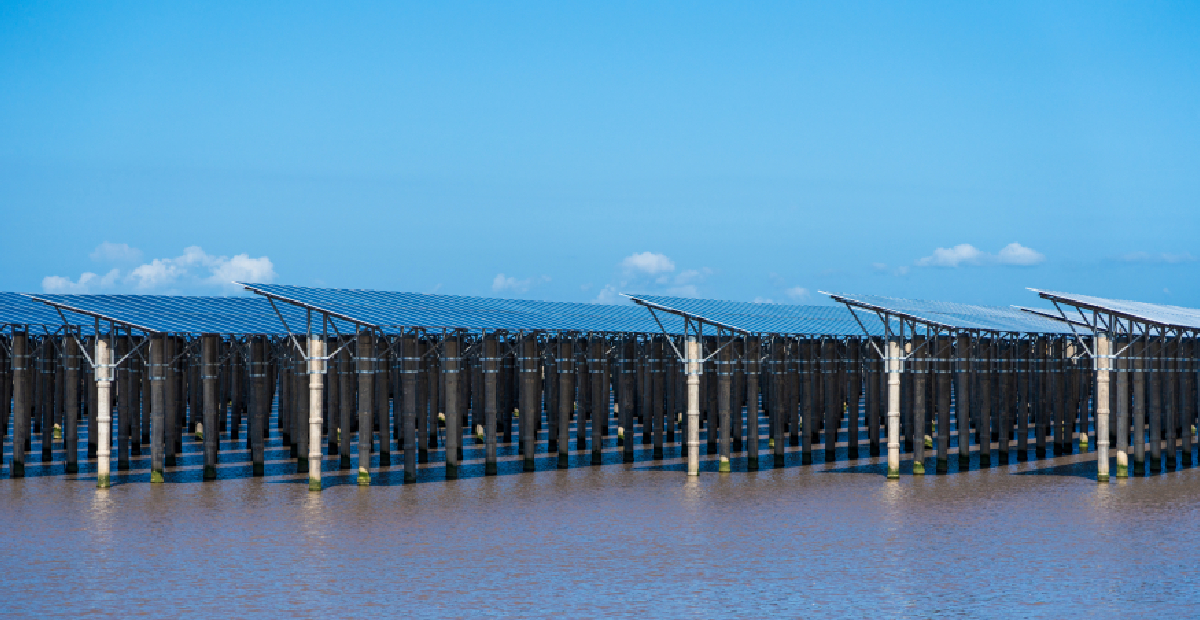
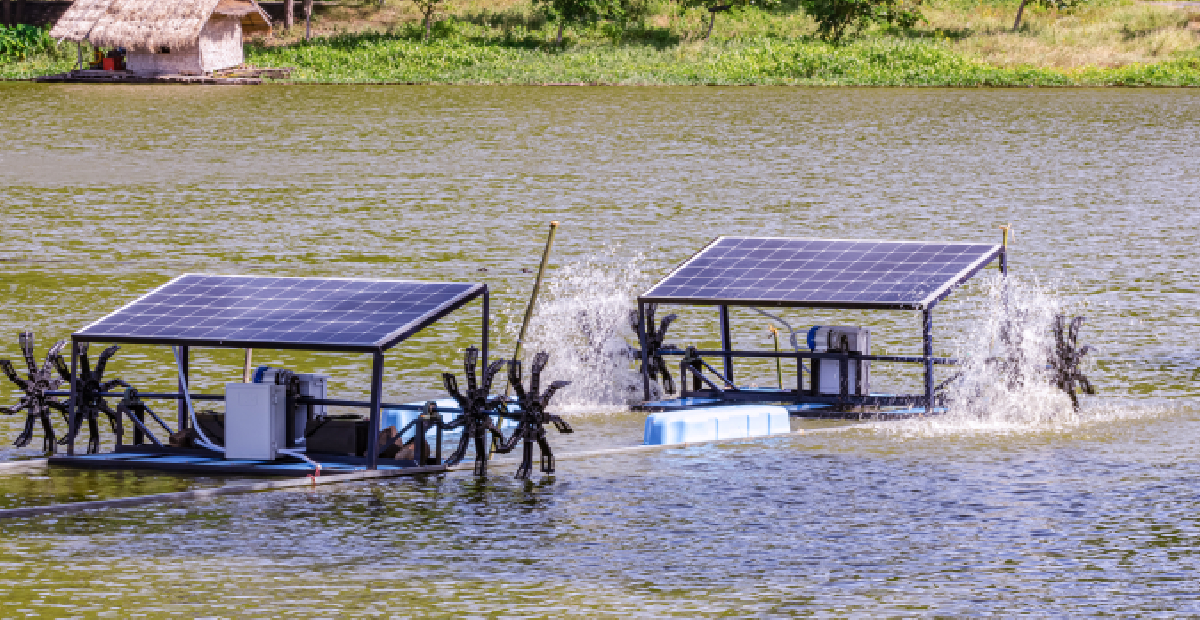
Land is running short as the world turns to clean energy. Where people pack tight or factories dominate, finding room gets harder. Farming, building cities, powering homes – all need space now. A fresh answer has emerged: solar panels floating on ponds and lakes. These skyless setups avoid crowded ground altogether. When power moves generation out of soil into places like reservoirs, hydro dams, or factory ponds, fresh options open for clean energy without using up valuable land. Instead of just sitting there, those usually quiet water spots become tools – turning passive areas into real producers of power. Because water systems already exist, adapting them makes sense, shifting idle zones into active players in reducing carbon across the country.

Defining the Floating Solar Power Plant Advantage

Floating solar setups stand out with unique strengths compared to land-based designs. What really sets them apart is more power output – this comes from how well water cools things below. That bottom layer floats because it does not resist heat like land does; instead, it allows warmth to move freely. Since solar panels act like solid materials that lose strength when hot, staying cooler helps them turn sunlight into energy more reliably. Out on the water, there usually isn’t much dust or shade getting in the way like on land with regular solar setups. Because of that, sunlight reaches the panels without big interruptions. That means the power it produces tends to stay steady and look cleaner overall. When big companies run solar operations here, they gain better results – results that help lower operating costs over time. This kind of reliability makes such projects stand out when planning budget spreads years ahead.

The Dual Benefit: Evaporation Control and Cooling Efficiency

Floating solar setups do more than produce power. Shading the surface area cuts down on water vapor rising into the air – this matters most where land is scarce or in sites holding large storage pools used for industrial cooling. Without open water exposure, less moisture vanishes into sunlight. Research indicates up to 70 percent less loss over covered zones. At the same time, less sunlight moving through the system helps reduce harmful algae, leading to cleaner water. Because of this link between power and flow, building plants that handle both energy and water works well when protecting a water zone matters just as much as generating electricity.

Comparing PV Solutions with Concentrated Solar Power Projects

Even though photovoltaics lead in aquatic solar setups, knowing how they fit alongside other large-scale options matters. Concentrated solar power relies on mirrors aiming heat at a spinning part – unlike photovoltaics, which turn light into electricity using semiconductors. What sets CSP apart is its ability to store warmth in molten form; this means energy can still flow once sunlight fades. That feature supports steady supplies across networks, something flat-panel systems do not offer. Still, floating PV often works better than large solar setups because it fits easily on open water. Its clean design handles tight spaces well when space is limited. Though traditional sun power works outdoors, modern needs call for quicker ways to cover lakes and rivers. Since size matters less here, simpler systems tend to perform well under real conditions.

Analyzing the Components of Floating Solar Plant Cost

Floating solar setups mean digging into marine engineering specifics. Though photovoltaic panels and converters act like usual versions, everything else shifts. Float quality made of heavy-duty plastic matters more than expected. Movement-driven forces – wind, waves – demand intricate holding mechanisms. Beneath the surface, custom wiring designed for wet conditions adds expense. Even though setting up a floating solar setup might run 10 to 15 percent above what it would on land – thanks to different engineering demands – there’s usually no need to buy up valuable ground space, plus construction demands like digging deep foundations or altering terrain tend to vanish. Spread across two and a half decades, because these systems pull more power from variable light conditions, those behind the project can expect stronger financial returns without extra stress.

Engineering Resilience for Large-Scale Solar Energy Projects

The successful operation of big solar power plants built on water requires engineers to develop systems which will withstand natural environmental conditions. The floating structure needs to operate under water level changes which hydroelectric reservoirs experience through major seasonal fluctuations. The anchoring system requires exact mathematical calculations to defend electrical connections from peak wind forces because it needs to protect these connections from maximum stress. Furthermore, choosing the right Solar Power Company in India is essential to ensure that the materials used are UV-stabilized and corrosion-resistant to prevent degradation in a humid, aquatic environment. The design phase precision enables the floating asset to operate safely and productively throughout its service duration which will generate dependable clean energy for grid distribution.

Sunshell Power: Engineering the Future of Water-Based Assets

At Sunshell Power, we recognize that the future of utility-scale energy is increasingly water-borne. We position ourselves as a specialized Solar Power Company in India with the engineering depth required to design and execute complex floating assets. Our method bases its design on the natural characteristics of each site location to achieve maximum performance from our floating solar power plants. Our team performs full simulation testing to verify that our anchoring systems achieve their peak stability position while minimizing their effect on the surrounding environment. Our company upholds high-design standards based on IEC/IS codes and intellectual honesty to create floating solar plants which will maintain their efficiency while providing your investment with enduring protection against future land shortages.

Choosing a Visionary Solar Power Company in India

Partnering with the right Solar Power Company in India is the most critical decision in de-risking a water-based energy project. Our company provides clients with clear consulting services and technical support to handle the special difficulties which affect aquatic solar power systems through hydrological research and grid connection management. The solar plant cost management requires more than 30 advanced professionals to oversee its operation for achieving high-performance results. Our company develops energy infrastructure which protects both people who live there and the natural environment while transforming your water resources into a symbol of environmentally friendly progress. Sunshell Power enables you to construct a power facility which will establish complete energy self-sufficiency through its state-of-the-art solar power generation systems.

FAQs

The efficiency of a floating solar power plant is primarily enhanced by the natural cooling effect of the water body. Solar modules, being semiconductors, lose efficiency as they heat up during the day. The water system operates as a massive thermal storage system which keeps panel temperatures at levels lower than those of land-based systems to increase energy output by 5-10%. The majority of water bodies provide unobstructed horizons and no dust presence which results in stable irradiance levels that make them suitable for high-performance solar energy applications.

A floating solar plant functions as a physical obstruction which spans the water surface to minimize water evaporation through its protection of the surface from sunlight and wind exposure. The system provides a vital advantage to hydroelectric reservoirs and industrial ponds which operate in areas with limited water resources because it enables them to maintain every available liter of water while producing electricity. The floating array operates as a water level management system which enables other water-based operations while producing clean renewable commercial solar power.

The solar plant cost for a floating installation is higher in terms of “Balance of System” (BoS) compared to ground-mounted projects. The main cost factors for this project stem from its HDPE floating platforms which require specialized design and its complex anchoring and mooring systems that need to withstand wave and wind forces and its marine-grade electrical components which must fight against humidity and corrosion. The total cost of a solar plant becomes competitive through its lifecycle because it eliminates the need to buy land and perform soil preparation and civil work including piling.

The current assessment shows that concentrated solar power projects (CSP) do not have suitable conditions for operation on floating platforms. The sunlight focusing mechanism of CSP depends on precise mirrors or lenses which create a single point of heat generation but any wave movement will break this focus. The thermal storage tanks and turbines which operate in CSP systems need stable platforms to function because they experience major operational challenges. Photovoltaic-based solar energy projects are much better suited for water surfaces because they are modular, lightweight, and can maintain efficiency despite the gentle motion of the water.

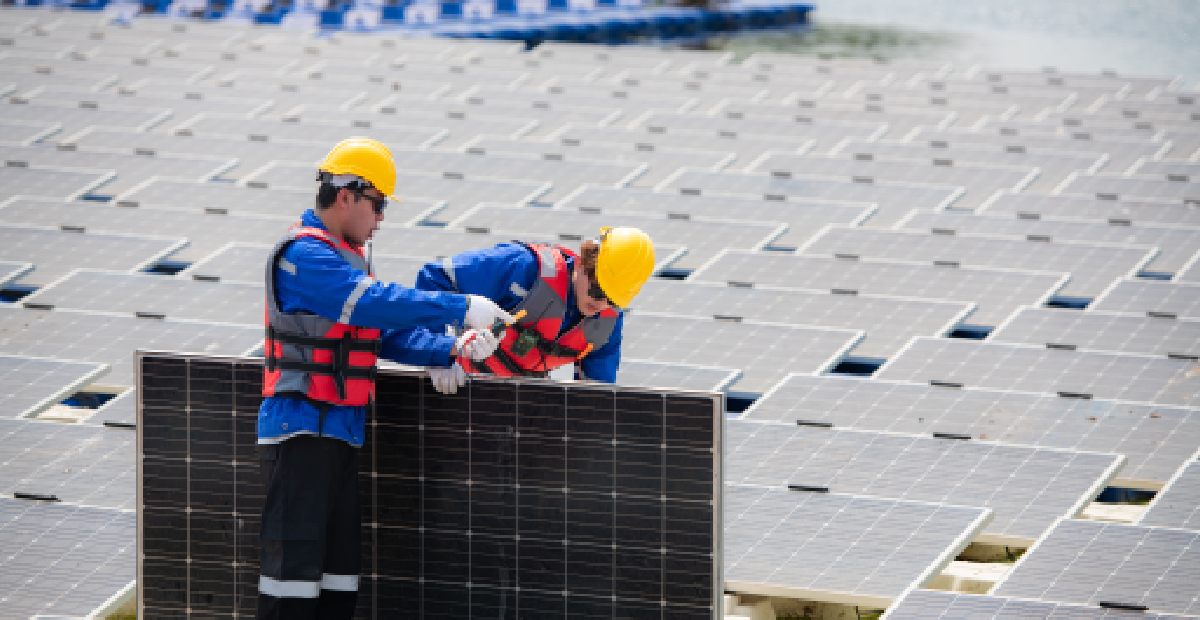
Maintenance for a floating solar plant requires specialized marine-certified personnel. Technicians must use boats to access the arrays, and there is a continuous need to check the tension and integrity of the mooring lines and anchors. The system requires ongoing electrical safety inspections to verify the condition of underwater cables and junction boxes for any evidence of damage or water penetration. The Indian specialized Solar Power Company will implement remote monitoring systems and drone technology to detect problems at their onset which will maintain the aquatic asset’s reliability through reduced need for extensive on-water handwork.

You might also like
Diagram showing the assembly layers in pv panel construction
15th Jan, 2026
The scientific genesis of a solar power plant from the construction of a solar cell

Synopsis The worldwide energy transformation depends on tiny photovoltaic effects which take place inside individual semiconductor wafers. This article traces the transformative journey from the precise construction of a solar cell to its scalable manifestation as a utility-scale solar power plant. We delve into the meticulous manufacturing stages that define quality and longevity in pv […]
View More...
Diagram showing the growth metrics of a successful solar power plant business
8th Jan, 2026
Scaling the solar plant business through intellectual capital and strategic consulting

Synopsis A sustainable solar plant business needs to establish itself in 2026 through installation capacity and requires both technical knowledge and ethical business practices. The blog provides essential methods for building a profitable solar power plant business which depends on an experienced solar power consultant to handle market challenges. Our method which combines data with […]

View More...
Diagram illustrating the water lift capacity of a Surface Solar Pump from a canal
6th Jan, 2026
The strategic evolution of the solar water pump in sustainable rural infrastructure

Synopsis Even as India faces steady challenges in accessing water and managing uneven shifts in energy costs, turning to solar-powered pumps has become unavoidable for long-term survival of farm economies. Rather than rely on old-school machinery, switching to clean-energy systems offers a clearer path forward – one tied directly to ensuring both power and food […]

View More...