
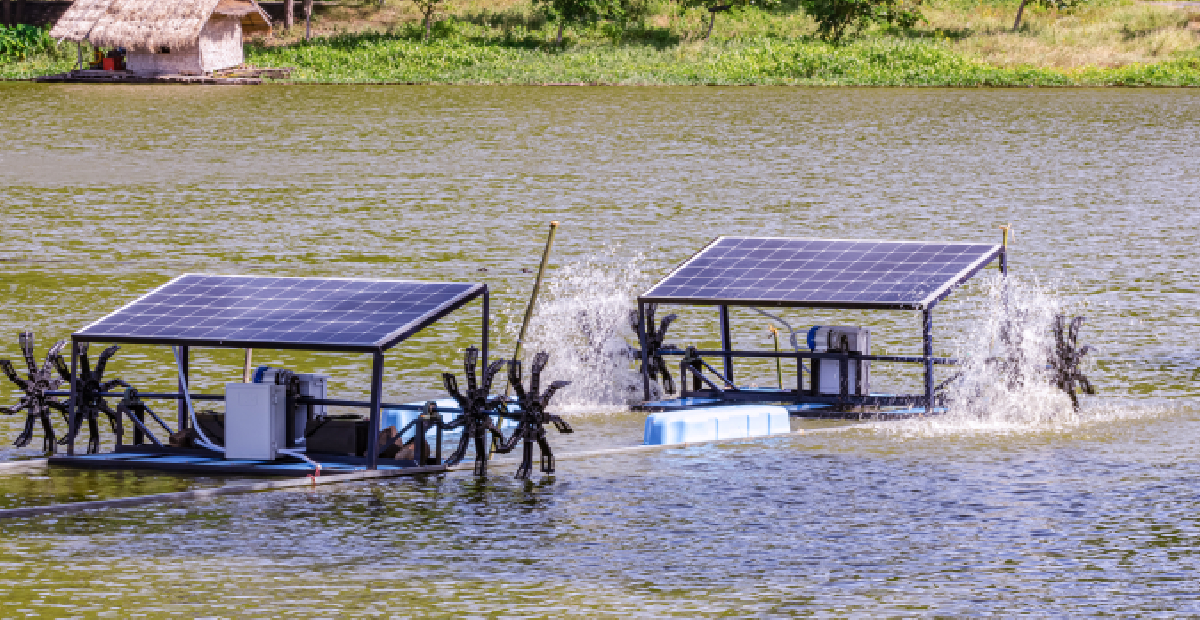
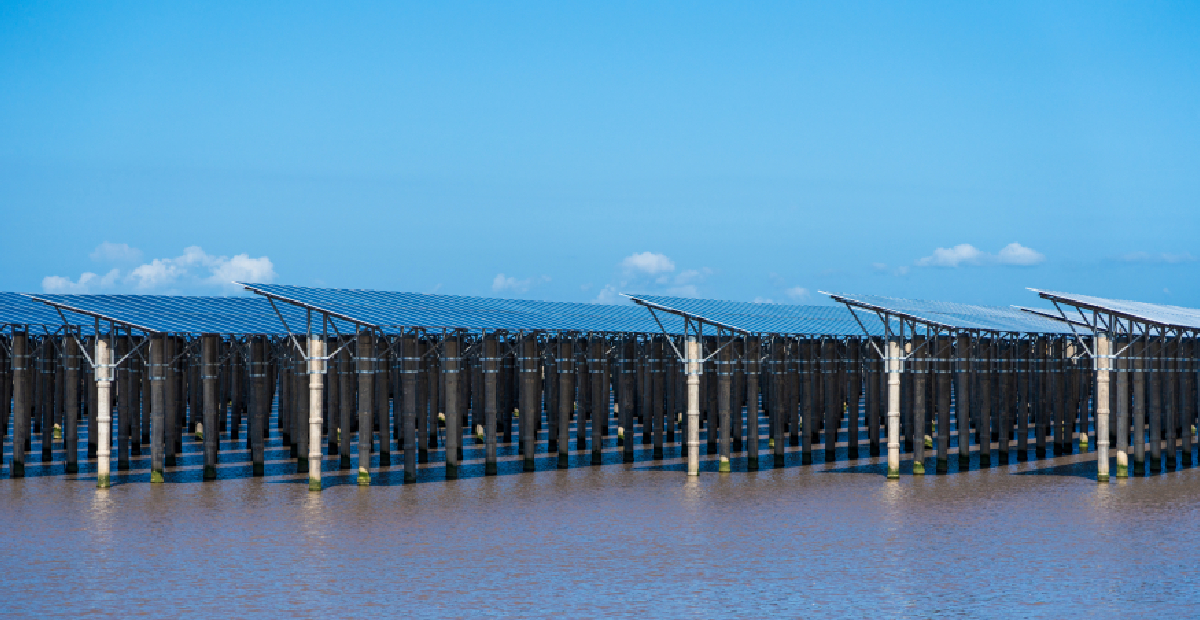
Diagram illustrating the water lift capacity of a Surface Solar Pump from a canal

The strategic evolution of the solar water pump in sustainable rural infrastructure

6th Jan, 2026

Synopsis

Even as India faces steady challenges in accessing water and managing uneven shifts in energy costs, turning to solar-powered pumps has become unavoidable for long-term survival of farm economies. Rather than rely on old-school machinery, switching to clean-energy systems offers a clearer path forward – one tied directly to ensuring both power and food supplies across the nation. What follows digs into how such shifts can reshape entire regions, swapping pollution for predictability. Instead of focusing only on cost, attention turns toward resilience, where flexibility matters more than initial investment. Two setups stand out: those built to dive deep into underground reserves, while others thrive by tapping into nearby streams or detention basins. Each serves different needs, depending less on scale and more on location. Getting ahead in rural work means blending tech tools with long-term water plans – shaping what makes a solar-powered irrigation project truly work. Specialized firms, say one based in Kolkata with know-how stretching beyond region, take part by shaping each pump system well-suited to ground shape and water flow patterns, boosting output while cutting waste.

The Water-Energy Nexus: A New Agricultural Paradigm

Right now, Indian farming faces two pressing issues at once. Water underground is vanishing fast, while farm energy costs keep climbing. For years, growers used diesel pumps – or shaky power from the grid – both eating up money and bringing work to a halt. Shifting to sunlight-powered pumps means more than new tools on old soil. It changes who decides, who pays, and who guards the land’s lifeblood. When farms break free from power swings and oil price jumps, sunlight becomes their steady companion. Instead of chasing weather or grid failures, growers find calm in solar-powered pumps. Climate shifts won’t slow down hunger – it’s people adapting who change the game. Resilient food systems grow where money matters for young workers too.

The Strategic Imperative of the Solar Powered Pump

Sun-powered pumps now lead, driven by the demand for steady water supply during daylight crop needs. Wherever farming stretches across Indian regions, electricity from the grid often arrives at night, leaving fields vulnerable and irrigation blind. Yet here comes a top-tier solar pump, ending reliance on fragile schedules while delivering flow exactly when plants require nourishment. What stands out is how little it costs to run a solar pump once the system is built – nothing compared to diesel pumps, where fuel bills might take nearly one-third of what farmers actually earn. That relief gives them room to spend on real improvements like new crop varieties, soil enhancers, or smarter ways to grow food. Over time, these small gains add up, quietly lifting entire countryside economies without flashy promises or outside interference.

Technical Deep-Dive: Solar Submersible Pump vs. Surface Solar Pump

Picking the right pumping method stands as one key move in rural infrastructure planning – it shapes outcomes more than most early choices. A solar submersible pump comes sealed tight, built to run fully beneath the surface, which sets it apart. Water drawn from deep wells or underground storage sits where this tool works best. Efficiency rises when moving fluid up slopes past ten-meter depth marks. Areas low on groundwater find strong matches here. Still, the Surface Solar Pump sits on dry ground, pulling water by vacuum from places such as ponds or open wells. Though it tends to need less service work and travels better, its reach has limits tied to how well it can suck liquid up – usually only going about 7 or 8 meters deep before losing strength. Knowing exactly where water lies matters most when picking the right tool for the land’s shape and depth.

Engineering the Solar Power Irrigation System Project for Success

One reason a solar-powered irrigation setup works so differently than just installing a pump lies in how pieces connect across the whole system. Think about it – getting water uphill means handling more than elevation alone; pipes themselves eat energy, plus machinery after flow begins. That mix of forces shapes what engineers call Total Dynamic Head, nothing flashy just math behind reliable work. When sunlight feels weak, perhaps during foggy mornings, the panel must still push strong electric kicks to move pumps reliably. Proper calculation means matching energy output with mechanical demand, ensuring motors spin consistently throughout daylight stretches. On top of that, a solar-powered irrigation setup needs smart safety designs – like safeguards against empty pipe runs to avoid motor damage. Lightning protection too must be built strong, not just added after thoughts change direction later. With right thinking up front, water flow stays trustworthy across two and a half decades expected service life, even when nature throws surprises our way.

Environmental Dividends and Climate Resilience

One step into solar-powered farming changes how land meets sky. When diesel pumps fade, replaced by sun-driven ones, about five tons of CO₂ vanish each year. That kind of reduction adds weight to India’s pledge to fight climate change worldwide. With every solar rise comes a quieter strain on underground water supplies. Devices like drip lines or sprinkler paths follow close behind, guiding drops where they count. Efficiency grows without loud claims or flashy tools taking center. When sunlight powers a pump, farming becomes more mindful of water. In areas where dry seasons last long, saving both resources strengthens resistance to climate shocks. Managing rain and soil wisely helps crops grow without wasting a drop. This balance shields nature while lifting yields through careful planning.

The Economic Impact of Sustainable Water Management

Looking at the big picture, using solar-powered pumps for irrigation eases pressure on government budgets tied to power subsidies. That relief opens space to channel resources elsewhere useful for rural communities. Seen up close, the farm stand benefits from steady water supply. With reliable flow even when rains fail, growers expand crops beyond one season’s harvest. Fields once left bare now carry multiple plants year-round. During winter dry spells, tomatoes and citrus bring stronger incomes simply because water keeps flowing. When rains fail, solar submersible pumps keep deep wells working. Their steady output guards harvests year after year. Without such backup, farming communities might drift toward cities. Instead, income holds firmer in villages. Growth spreads quietly across regions. National progress gains strength from these roots.

Sunshell Power: Delivering Specialized Agritech Solutions

Sunshell Power treats agritech like any major infrastructure project. For those working the land, solar-powered pumps do far more than deliver water – they keep things running. Engineers here shape each irrigation setup carefully, building reliability others may overlook. Because sunlight can be weak at times, the system stays active thanks to sharp MPPT technology managing energy shifts on the fly. To decide which pump works better for your area, we examine terrain details through clear technical reviews – either submersible solar units or surface-mounted ones. What matters most? Building trust through steady performance rather than fast deliveries, so equipment follows rigorous guidelines (IEC and IS) and delivers real, ongoing benefits where it’s needed.

Localized Expertise from a Global-Thinking Solar Company in Kolkata

What sets us apart – as a top solar provider in Kolkata – is how we bring world-class tech straight to local needs in Eastern and North-Eastern India. Not every region faces the same hurdles; think arduous terrain or frequent flooding, especially near high-arsenic zones. That reality shapes everything we build into our solar-powered pumps. Built tough, tested hard, these systems handle what others might ignore. Installation isn’t the end. It’s just the beginning. What comes next matters just as much: constant oversight from afar, quick response when issues arise. So, your pump keeps working – without causing headaches down the line. What sets Sunshell Power apart is how engineering insight meets care for nature. Instead of just installing systems, they align tech expertise with responsibility toward living systems. This balance creates reliable water sources during dry seasons. As result, crop outcomes become more consistent over time. Long term impact shows up as healthier landscapes alongside stronger environmental foundations.

FAQs

When the water sits more than seven or eight meters below, only one option works well – a solar submersible pump. Built to extract liquids far underground, these systems handle depths reaching up to hundred meters. Because of their design, they become essential for accessing hidden sources. For places using borewells or long-reach wells, they remain the go-to solution. Still, when the water sits close by – like in a river, pond, or simple well – a Surface Solar Pump often works best. That kind of setup tends to save money while fitting well. Yet before anything gets installed, wise moves start with advice from experienced teams based in Kolkata who know how underground flow patterns shift. Their insights turn scattered guesses into solid planning when building solar-powered irrigation systems.

When sunlight feels weak, modern solar pumps still run – just at a slower pace. Thanks to smart MPPT tech, energy from weak light gets stretched further than before. Even if rays dip low, electricity levels drop during flow times. Yet power fades only when voltage slips below minimum needs. Most growers pair their sun-powered pumps with stocked water areas – like tanks or natural basins – to keep circulation alive through empty stretches. Water gets collected while sunlight is strongest, then flows through soil as daylight fades – no motor needed.

When it comes to a trustworthy solar-powered irrigation setup, four key pieces matter most. One part is a strong solar PV array built to perform well. Another essential element runs the system through a pump controller – this one handles voltage fluctuations carefully. Instead of just installing gear, think about how water moves across land afterward. That part includes tubes carrying water plus devices that deliver tiny flows precisely. If corners are cut here, results weaken fast under real conditions. Panels meeting MNRE or BIS standards hold their ground better over time. Protection features inside the controller matter just as much – no operation without water present, safe from excess power spikes too. Electrical shocks or sudden bursts from lightning need blocking firmly before anything else takes shape nearby.

True, even though the first cost of a solar water pump exceeds that of a diesel motor, total expenses over time stay much lower. Fuel spending climbs steadily for diesel-driven pumps, alongside frequent repairs needed due to complex mechanics. On the flip side, sunlight powers the solar version – no fuel bills ever. With far fewer components in motion, upkeep stays nearly bare. Most times, a solar-powered pump takes 2 to 4 years to repay itself. Once that happens, the water costs almost nothing for the next two decades plus change. That setup often ranks as the smartest money-wise for farm income stretching far into the future.

Down in the water, things work differently. In Kolkata, our team builds solar systems meant for real-world conditions. When it comes to underwater pumps, metal matters – stainless steel keeps rust from ruining the job. Different rivers, lakes, or canals mean messy water – so filters block grit before it harms moving parts. Pump failures often hide in sand or mud; stopping those invaders ahead of time changes everything. On top of that, connections to long-distance monitoring tools give our engineers live updates about how the pump is running. Because of this constant oversight, small problems get handled fast – so nothing serious ever arises. That kind of vigilance keeps your solar-powered watering setup running without hiccups.

You might also like
Diagram showing the assembly layers in pv panel construction
15th Jan, 2026
The scientific genesis of a solar power plant from the construction of a solar cell

Synopsis The worldwide energy transformation depends on tiny photovoltaic effects which take place inside individual semiconductor wafers. This article traces the transformative journey from the precise construction of a solar cell to its scalable manifestation as a utility-scale solar power plant. We delve into the meticulous manufacturing stages that define quality and longevity in pv […]
View More...
Diagram showing the growth metrics of a successful solar power plant business
8th Jan, 2026
Scaling the solar plant business through intellectual capital and strategic consulting

Synopsis A sustainable solar plant business needs to establish itself in 2026 through installation capacity and requires both technical knowledge and ethical business practices. The blog provides essential methods for building a profitable solar power plant business which depends on an experienced solar power consultant to handle market challenges. Our method which combines data with […]

View More...
Diagram illustrating the water lift capacity of a Surface Solar Pump from a canal
6th Jan, 2026
The strategic evolution of the solar water pump in sustainable rural infrastructure

Synopsis Even as India faces steady challenges in accessing water and managing uneven shifts in energy costs, turning to solar-powered pumps has become unavoidable for long-term survival of farm economies. Rather than rely on old-school machinery, switching to clean-energy systems offers a clearer path forward – one tied directly to ensuring both power and food […]

View More...