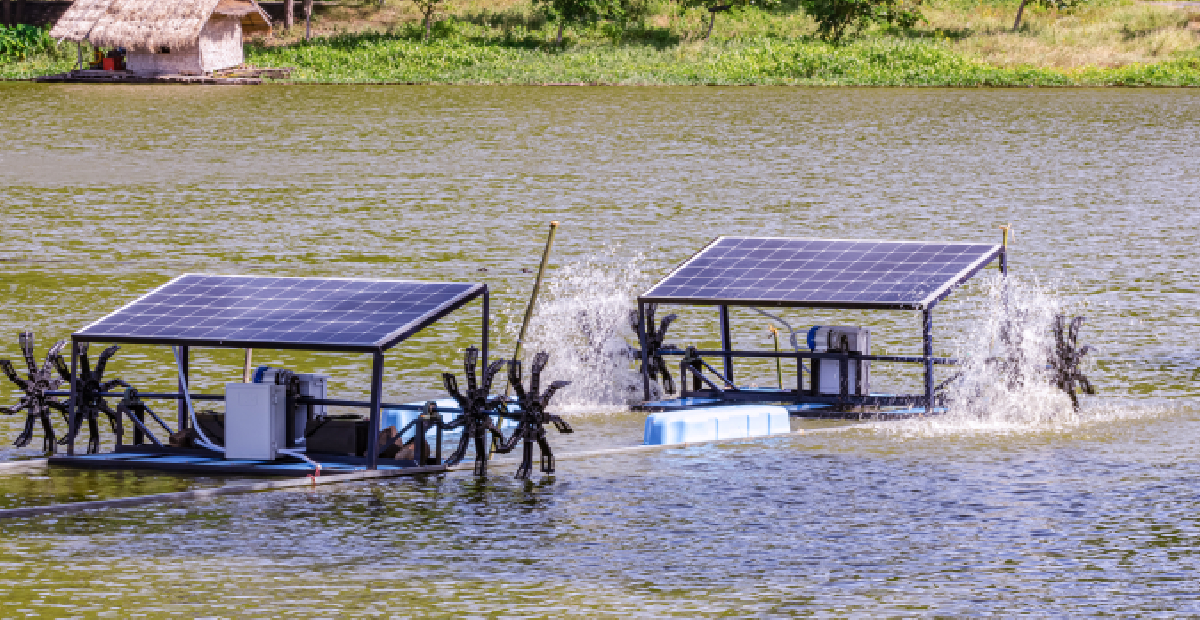
Solar panels collect energy from the sun’s rays as they hit them through their PV cells. In reaction to an internal electric field within the cell, this energy generates electrical charges that move, which results in the flow of electricity.
By 2023, according to industry experts, there will be four million more solar systems in the US. In 2018, there were over one million solar panel installations in the UK, an increase of 2% from the previous year, and two million solar installations in Australia during that same year. The decrease in installation costs for the panels is a major factor in this increased acceptance.
The mainstreaming of renewable energy is being pushed by drastically falling production costs, rising concern over climate change, changing global energy policy, and greater investor pressure on businesses to implement environmental, social, and governance (ESG) initiatives.
Below is a list of Solar Energy Trends that will Rule in 2023:
1. Solar Energy Choice Over Wind And Hydropower
The sun rises and sets on a regular schedule and is less volatile than wind or running water, giving consumers of solar energy more freedom than those of wind or hydropower. By 2024, there will be 142 GW of residential solar power, a growth of 58 GW from 2018, and a more than threefold increase in yearly capacity additions to over 20 GW. By 2024, China is anticipated to have the highest installed residential solar capacity globally, with Australia, Belgium, the Netherlands, and Austria experiencing the fastest per capita growth.
2. Utility-Scale Solar And Storage Capacity Installed Will Double
Currently, 278 utility-scale PV and storage plants with a combined PV capacity of 12.5 GW and a combined battery capacity of 2.7 GW / 7.7 GWh are being tracked by BloombergNEF’s database.
China and the United States will have the biggest markets in2023. The solar and storage sector is already well established in the United States. Twenty Chinese provinces now mandate or promote the pairing of new renewable energy sources with energy storage.
3. Residential Solar And Storage Becomes The Standard Option In More Than Two Markets
Residential solar and storage are beginning to be a big industry, therefore it will be on the political and investment agenda with more urgency than in prior years. Today, storage is a component of nearly all new residential solar systems constructed in Hawaii, around half of those developed in Germany, 15% of those built in Switzerland, and 5% of those built in Australia. The majority of markets lack data on this, however by the end of 2023, it’s anticipated that at least two more markets will have storage attachment rates of above 50%.
4. New Technologies Will Be Added, And Solar Production Capacity Will Continue To Increase
In 2023, significant factories for cutting-edge cell technologies including heterojunction and tunnel oxide passivated contact (Topcon) will be constructed. By the end of 2023, there will be more than 400GW of yearly capacity available to produce the standard passivated emitter and rear contact (PERC) cell, whose efficiency is already exceeding the current structure’s 24% upper bound.
5. Solar Energy Has A Bright Future
Geopolitical unrest and trade uncertainty have temporarily hampered solar capacity growth, but it will still increase over the coming years and surpass a terawatt of worldwide solar power generation by 2023.
The Takeaway!
In 2024, there will be 377 GW of commercial and industrial solar energy capacity, up from 150 GW in 2018, with China anticipated to be the largest growth market. Because solar power is typically more affordable and has a pretty steady load profile during the day, which normally enables higher savings on electricity bills, this industry still has the highest development potential.