Synopsis
Bridge the night gap and achieve 24/7 operational resilience with a solar hybrid power system, the definitive solution for high-demand facilities in 2026. This comprehensive post explains how to integrate high-density battery storage with an industrial solar power plant to ensure uninterrupted manufacturing even during grid outages or peak tariff periods. We delve into the shifting economics of the Indian market, analyzing why a commercial solar power plant remains the backbone of modern industrial autonomy. The blog explores the latest commercial solar power cost for hybrid setups, demonstrating how the integration of Lithium Iron Phosphate (LFP) storage adds only a marginal premium while drastically shortening the payback period through time-of-day (ToD) arbitrage. We examine how commercial solar projects are evolving into dispatchable power hubs that provide “round-the-clock” (RTC) clean energy. Readers will gain a technical perspective on how a solar hybrid power system balances solar generation, battery discharge, and grid connectivity to optimize every unit of electricity. Discover how Sunshell Power leverages these dual-asset architectures to provide businesses with a permanent shield against energy inflation and infrastructure instability, ensuring your path to a net-zero future is both stable and highly profitable.
Table of Contents
The 2026 Energy Shift: From passive generation to dispatchable power
For both small grid-tie systems of 5 kwp to bigger distributed energy generation systems for Industrials, the game has changed in India. All of a sudden everything revolves around ‘dispatchable’ energy i.e. the end-user has complete control over when the unit will generate power. While solar power plants shine during the day, post sunset all that power that was generated during the day simply vanishes into the night to be wasted. No longer is this a problem as industry today has access to best-in-class Battery Energy Storage Systems (BESS) to store that mid-day sunshine for later use i.e. during the day when utility rates are at their peak. The solar hybrid power system has managed to turn night into day and the industrialist is finally sovereign when it comes to power.
Defining the solar hybrid power system: Beyond basic grid-tie
Solar hybrid power systems consist of solar panels, hybrid inverters (bi-directional) and chemical energy storage system (batteries) to form a complete off-grid or on-grid solar power system. In industrial solar power systems, both off-grid and on-grid systems have their own merits and are being extensively used. However, Solar Hybrid Power Systems offer best of both worlds to users. These systems receive supplementary power from grid as and when required and also function independently in “island mode” when grid fails to supply power. The hybrid inverter acts like a brain of this system and intelligently uses solar power to supply power to industrial loads like factories, manages charging and discharging of batteries and does grid integration at right time to harvest maximum benefits.
The industrial solar power plant as a 24/7 energy hub
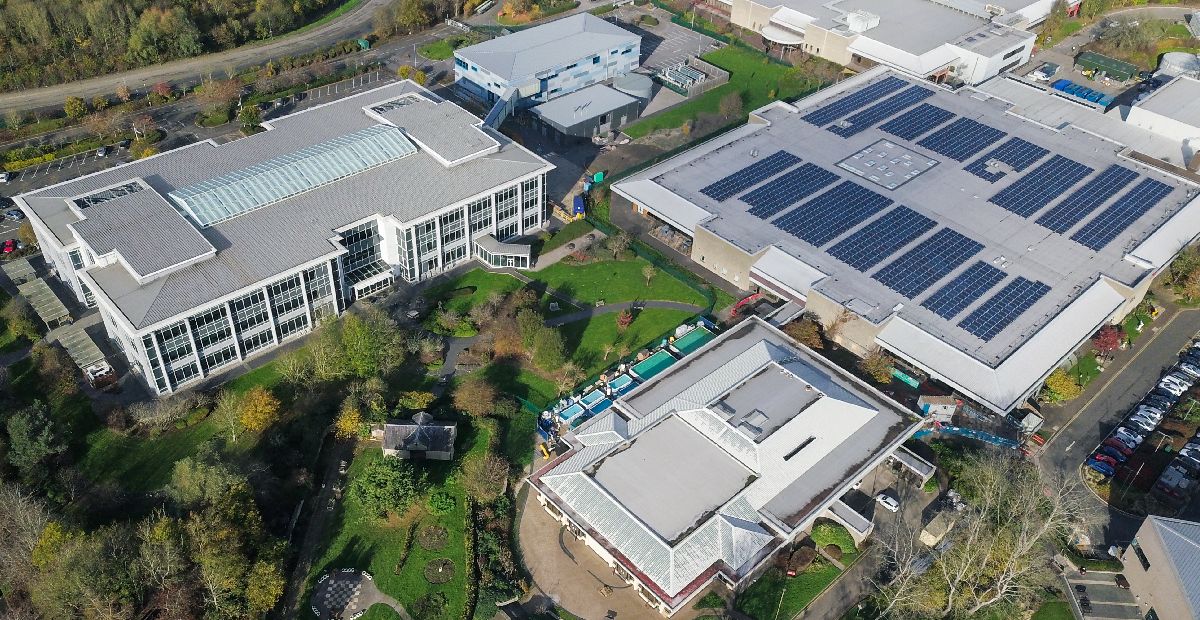
Industrial solar power plants supplied by daylight energy are nowadays often upgraded to hybrid (also night time) energy supply in order to cover night time loads. The energy that would be fed-in into the grid with poor prices during the late afternoon to operate the plant up to full capacity, can be used to supply industrial consumption around the clock. The solar irradiance during the daylight hours can be captured by rooftop solar or by large arrays of high-efficiency N-type solar panels, 2026-standard, to cover a large portion of nighttime loads for both lighting and climate control. This 24/7 supply of low emission energy is a critical element for the industry to achieve the goal of Near-Zero Energy Building.
Analyzing the commercial solar power cost of hybrid integration
We often get asked about the cost of storage (i.e. “hybrid” systems that include batteries) when discussing commercial solar power costs with our clients. While there is always an added cost to incorporating storage into a solar project, the cost to install solar in 2026 has decreased so dramatically in the last two years that it only adds 8-12% to the overall cost of the project. And that added cost gets paid back through the IRR (Internal Rate of Return) of the project, through “Peak Shaving” which saves money on demand charges as well as during Time of Day (ToD) rate periods when storage can shift load to lower tariff rates. From a fiduciary perspective, the net solar cost is very attractive.
Why a commercial solar power plant is your best defense against peak tariffs
Day and night tariffs are fast becoming redundant in many Indian states with the daylight tariff either lowering or remaining at par with the late night/ early morning tariff rates. Most usage of course occurs during the two peaks of the day. This additional surcharge on the already costly daylight tariff is set to become inconsequential to the industry that is looking at solar power for savings. Thanks to hybrid storage offerings, a commercial solar power plant can now help you source less expensive electricity exactly where and when it is needed the most. In effect, you could engage in some form of arbitrage between the two peaks of the day through a commercial solar power plant installation. For this year and in years to come, this means a fixed, tax-free benefit that translates to the difference of the per unit rates of the two peaks of the day. In effect, this translates to a permanent discount on your power costs for you as an industry with a very high demand profile.
Scaling resilience: How modern commercial solar projects utilize BESS
When designing a modern commercial solar project, designers often approach the electrical plans from a Storage-Ready perspective, even if batteries are not currently included in the project. Solar project design from a Storage-Ready perspective takes into account the falling cost of batteries and the improvements in storage capacity per dollar. Large commercial solar projects are now designed to include 2-hour or 4-hour duration storage capabilities, and are counted and-scheduled by utilities to provide key grid-balancing services mandated by new state-level regulations. Projects that include a BESS from the outset will be several years ahead of the curve in 2026’s competitive commercial solar market.
SunShell Power: Your technical authority in hybrid energy systems
SunShell Power brings the necessary muscle to design & deliver high-reliability, commercial scale solar power projects. We optimise the size and integration of the Battery Energy Storage System (BESS) to maximise solar generation for the industrial solar power plant. We give you a clear view of the commercial costs of solar power and a ROI analysis on peak-shaving benefits and arbitrage gains. We think holistically to create Energy Hubs that will last long. Safe LFP Chemistries, Smart Hybrid Inverters, design and commissioning of a long lasting solution that will last for 25 years. Our aim is to give Indian Industries an infrastructure of dignity, empowering them to take control of quality power on an on-going basis.
Conclusion: Securing a resilient and autonomous energy legacy
Energy Future is Now – Solar Hybrid Power System for the Decade Solar Hybrid Power System for the Decade. Solar Hybrid power system for the decade to come – 2026 and beyond. SunShell Power, one of the leading providers of solar hybrid & energy storage systems delivers enterprise-grade, end-to-end power solutions for small, medium and large organizations. Our solar power systems are engineered to reach their full potential and deliver maximum ROI. We design and install solar power systems that operate at peak performance through all seasons and in all weather. Our solutions save you money on commercial solar power costs while providing the freedom to operate 24×7, 365 days a year – anytime, anywhere. Most important, we are here to support you in the long haul to guarantee optimum performance and reliability for years to come.
FAQs
How does a solar hybrid power system differ from a traditional grid-tie system?
A solar hybrid power system includes an integrated Battery Energy Storage System (BESS) that allows for energy usage even when the sun is not shining or during a grid outage. Unlike a traditional grid-tie commercial solar power plant, which must shut down during a blackout for safety, a hybrid system can “island” itself and continue powering critical industrial loads. This makes a hybrid industrial solar power plant much more resilient for businesses that require 24/7 operation. While the commercial solar power cost for a hybrid system is higher due to the batteries, the ability to store energy for peak-hour use provides significantly higher savings.
What is the current commercial solar power cost for a hybrid project in 2026?
In 2026, the commercial solar power cost for a hybrid system typically includes the solar array, the hybrid inverter, and the battery storage bank. For a 100kW industrial solar power plant with 100kWh of storage, the commercial solar power cost generally ranges from ₹45 Lakhs to ₹60 Lakhs depending on the battery chemistry. While this is an increase over a standard solar power plant business model, the added storage allows for Time-of-Day (ToD) arbitrage, which can save an additional ₹1.5 to ₹2.5 per unit during peak hours. Most commercial solar projects in 2026 now factor in these savings to demonstrate a payback period of under 5 years.
Can a commercial solar power plant help my business avoid peak-hour grid tariffs?
Absolutely; this is one of the primary financial drivers for the solar power plant business in 2026. By utilizing a solar hybrid power system, you can store energy generated during the cheap afternoon hours and discharge it between 6 PM and 10 PM when grid tariffs are at their highest. This process, known as “peak shaving,” reduces your dependence on the utility during expensive periods and can significantly lower your monthly “Demand Charges.” For many commercial solar projects, this strategy alone can save an industrial facility lakhs of rupees annually, effectively shielding the business from fluctuating utility pricing.
Which battery technology is best for an industrial solar power plant in India?
For a high-performing industrial solar power plant in 2026, Lithium Iron Phosphate (LFP) is the industry standard due to its safety, thermal stability, and long cycle life. LFP batteries can handle the high temperatures of an industrial solar power plant site much better than other lithium chemistries and offer over 6,000 cycles at 80% depth of discharge. This durability is essential for the long-term bankability of commercial solar projects, as it aligns the battery life with the 10-15 year lifespan of the hybrid inverters. Choosing the right storage technology is critical for maintaining a low commercial solar power cost over the project’s total lifecycle.
How do I scale my commercial solar projects if my energy needs grow?
One of the key advantages of a solar hybrid power system is its inherent scalability and modular design. Most modern commercial solar projects are built with “modular inverters” and stackable battery units, allowing you to increase your capacity as your factory expands. You can start with a basic commercial solar power plant and add more storage or panels later without redesigning the entire electrical backbone. This flexibility is a core part of the solar power plant business model at SunShell Power, ensuring that your initial commercial solar power cost remains a protected investment as your energy demands evolve.