Synopsis
As land prices reach historic highs in 2026, the industrial solar rooftop has emerged as the primary choice for manufacturing hubs looking to optimize underutilized space. This comprehensive post details the technical journey of a high-capacity solar power plant installation, providing a roadmap from initial rooftop solar installation logistics to achieving a carbon-neutral footprint. We examine the specific performance metrics of commercial pv panels in high-heat environments and demonstrate how the commercial solar installation cost is strategically offset by 2026 tax incentives and accelerated depreciation. By integrating a solar power plant directly onto existing structures, enterprises can shield themselves from the volatility of grid tariffs while enhancing their facility’s asset value. This blog explores why decentralized energy is the baseline for industrial scaling, offering a deep dive into the engineering standards required for 25-year reliability. From structural load-bearing assessments to advanced electrical synchronization, we cover the critical factors that ensure your renewable transition is both seamless and bankable. Discover how leading organizations are turning their industrial skylines into high-performing power generators that drive both sustainability and significant operational savings in an increasingly competitive global economy.
Table of Contents
The 2026 Shift: Why industrial rooftops are the new oil fields
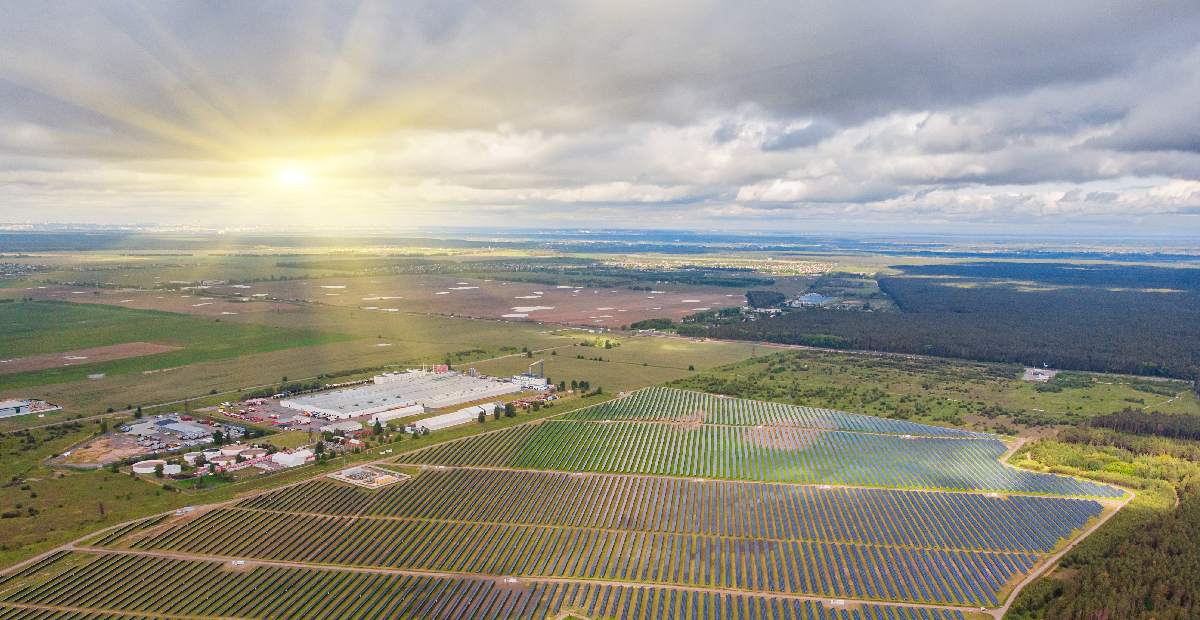
In Energy in 2026 we see a world in which energy does not originate from a centralised grid point, and something as simple as a utility bill becomes a major business risk. A commercial solar power plant is the best way to mitigate this risk and generate power where it is needed most. By installing a commercial solar power plant, businesses can fix their electricity rate for the next 20 years or so, a very attractive proposition considering the rapid evolution of the energy and related policies. Understanding the long-term benefits of solar assets is critical for corporate executives wanting to create a long-term autonomous operational asset.
Engineering the industrial solar rooftop: Structural and electrical pillars
Successful solar power plant engineering starts with successful solar power plant design starting with site evaluation and design. Before putting solar modules on an industrial solar rooftop, a structural analysis must be performed to verify the load bearing capacity of the structure under the weight of the solar panels as well as wind loads. In addition, a solid electrical configuration must be developed to interface with the existing High-Tension (HT) or Low-Tension (LT) panels. DEW Engineering Services & Electronics has wired and monitored and tested and commissioned many solar power plants across Canada in 2026. The electrical configuration requires a smart inverter to provide real-time power quality and harmonic distortion information to ensure that the industrial renewable energy plant is delivering high quality power to critical industrial machinery and equipment.
The solar power plant: Moving from consumer to prosumer
As individuals and enterprises become more involved in energy generation through solar panels, they transition from being passive energy consumers to active energy prosumers. A large solar power plant can supply a enterprise’s energy needs during peak hours and high demand days. Conversely, on a weekend, for example, a solar power plant can generate surplus energy during the day and export that energy to the grid through net-metering, thereby reversing the direction of movement of the meter. One of the key energy management practices that will emerge by 2026 is the installation of a high-capacity solar power plant to reduce a business’s contract demand, leading to both a short-term reduction in fixed monthly charges currently being paid to their utilities as well as a long-term reduction in these charges. Importantly, the business will also have higher energy security than a traditional, centralized grid user.
Maximizing efficiency with high-output commercial pv panels
Performance of rooftop systems heavily depends on the chosen commercial pv panels efficiency and performance. In the year 2026, being a technical authority in the solar industry means deploying N-Type TOPCon and Bifacial commercial pv panels which can reach up to 23% efficiency and perform well even under hazy or low light conditions. Currently available commercial pv panels suffer minimal Light-Induced Degradation (LID) and are expected to retain most of the nameplate power for up to 30 years. For industrial scale users, choosing the correct commercial pv panels is a business critical decision. High-efficiency commercial pv panels help you build the most advanced photon capture capable power hub for your industrial facility.
Navigating rooftop solar installation: A step by step execution guide
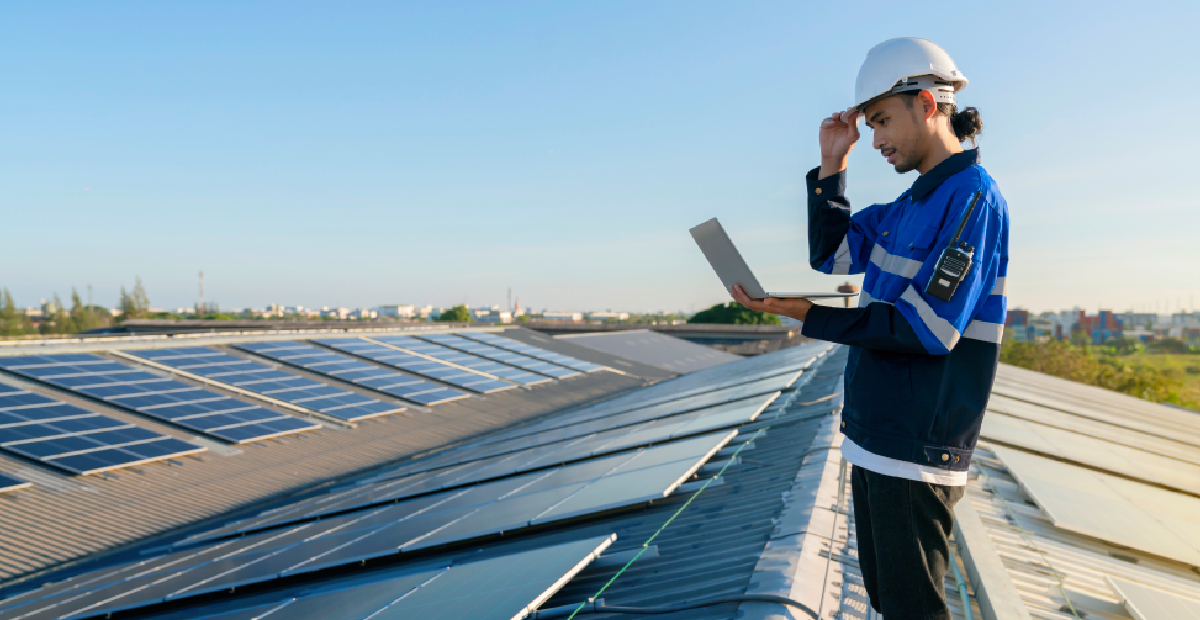
Rooftop solar installation is more than just placing solar panels on your rooftop. It requires a team of specialist to safely and professionally construct to the highest quality and safety standards. Each rooftop has its own unique characteristics and requires a specific approach to installation. From the initial lux-mapping and shading analysis, through to connection and commissioning, our team of specialist will ensure that your solar installation has been constructed with the appropriate mounting systems to protect the waterproofing of your building. We utilise high quality DC cables and sophisticated earthing solutions to protect your inverter plant from surge and lightning events. It is only an expert installation that can translate the theoretical energy yield into real savings for your business.
Calculating the true commercial solar installation cost and ROI
The perceived high cost of commercial solar installation has long been a barrier to adoption. However, the payback period on the cost of solar installation is only 3-4 years. Additionally, the investor can claim accelerated depreciation and rising grid power cost. Based on a financial audit conducted in 2026, the IRR on the investment in cost of solar installation for commercial solar power plant is more than 40%. There are special solar loans offered by banks and financial institutions which help the system to pay for itself in the first 3-5 years. This is net positive for manufacturing organizations from Day 1 onwards.
SunShell Power: Engineering excellence in industrial solar
Our mission is to provide the infrastructure of dignity to our customers with quality Solar solutions. At SunShell Power we specialize in developing, manufacturing and installing industrial solar rooftop systems of higher capability from 100 kW to 5 MW across India. A dedicated team of our experienced engineers & technicians can design a turnkey solution for you right from identifying the site to structural audit, designing and installing the plant to monitoring & maintenance of the plant over a long term. Our technical team selects only the highest quality modules for our commercial solar installations ensuring highest energy density. We provide a complete fiduciary road map for the commercial solar installation cost, performance guarantees etc. SunShell Power embodies world-class engineering & operational excellence to fuel India’s industries in the energy transition.
Conclusion: Securing your industrial energy future
As the world scrambles to meet the net-zero target, a well-built rooftop solar installation is now business critical infrastructure. Maximising return on investment from your existing asset is not just cost effective it is critical to remaining competitive. SunShell Power delivers innovative technical solutions to maximise return on investment for commercial solar power installations for large or small sites. View our current commercial solar power projects.
FAQs
What is the average lifespan of an industrial solar rooftop system?
A high-quality industrial solar rooftop is designed to operate for 25 to 30 years with minimal degradation. While the commercial pv panels are typically warranted for 25 years of performance, the overall solar power plant requires a robust structural and electrical foundation to reach this lifespan. Regular maintenance and the use of high-grade mounting components during the initial rooftop solar installation are critical factors in ensuring longevity. By investing in premium hardware, businesses can ensure that their commercial solar power asset continues to deliver savings well beyond the initial payback period.
How is the commercial solar installation cost determined for a large factory?
The commercial solar installation cost for a factory is determined by several technical variables, including the total capacity of the solar power plant, the type of roof, and the complexity of the electrical integration. In 2026, the commercial solar installation cost typically includes high-efficiency commercial pv panels, inverters, earthing systems, and professional EPC services. While the initial commercial solar installation cost may vary, the long-term LCOE remains significantly lower than grid prices. Many enterprises also leverage tax incentives to effectively reduce the net system expenditure by up to 40% in the first year.
Can a solar power plant work during a grid outage?
A standard grid-tied solar power plant is designed to shut down during an outage for safety reasons; however, advanced systems can be equipped with “grid-forming” capabilities or battery storage. By integrating a solar power plant with an Energy Storage System (ESS), a facility can maintain critical operations during grid instability. This hybrid approach is becoming an essential trend for an industrial solar rooftop in regions with unreliable grid frequency. At the time of rooftop solar installation, businesses should decide if they require backup power to protect sensitive machinery from unplanned downtime.
What are the maintenance requirements for a solar power plant?
The primary maintenance requirement for a solar power plant is the regular cleaning of the commercial pv panels to prevent soiling and dust accumulation. In industrial areas, dust can reduce the output of an industrial solar rooftop by 10-15% if not managed. Additionally, an annual electrical audit of the rooftop solar installation is recommended to check for terminal tightness and cable integrity. Most modern systems utilize IoT-based monitoring to alert energy managers to any performance dips, ensuring that the commercial solar power generation remains optimized throughout the year.
How do commercial pv panels perform in high-temperature industrial zones?
Modern commercial pv panels are engineered with superior temperature coefficients to maintain high efficiency even in extreme heat. During a rooftop solar installation, proper ventilation and spacing are utilized to allow air to circulate behind the commercial pv panels, which helps in cooling. Using N-type technology for a solar power plant further minimizes the power loss associated with high ambient temperatures compared to older P-type modules. This thermal resilience is what makes an industrial solar rooftop a viable energy solution for factories located in the hottest regions of India.