Synopsis
Shift from static to dynamic energy capture with a solar tracking system project, a cornerstone of high-performance energy architecture in 2026. This technical blog analyzes how sun tracking solar technology effectively reduces the cost of commercial solar energy by up to 25% by maximizing the angle of incidence throughout the day. We explore the mechanics of modern solar tracking systems, which utilize AI-driven algorithms to tilt panels in real-time, ensuring they always face the sun’s direct normal irradiance. The post provides a detailed breakdown of the solar power plant cost impact, demonstrating how the initial capital investment in sensors and motors is offset by a massive boost in energy density. We delve into why a solar tracking system project is particularly effective for commercial solar power applications where land or roof space is at a premium. Readers will gain a clear perspective on how these dynamic arrays enhance the solar power project lifecycle, providing a more stable and high-yielding generation profile compared to traditional fixed-tilt systems. Discover how Sunshell Power leverages precision engineering to deploy advanced trackers that transform your facility into a world-class power hub, securing your competitive edge in the 2026 renewable market.
Table of Contents
The 2026 Efficiency Leap: Why static solar is no longer enough
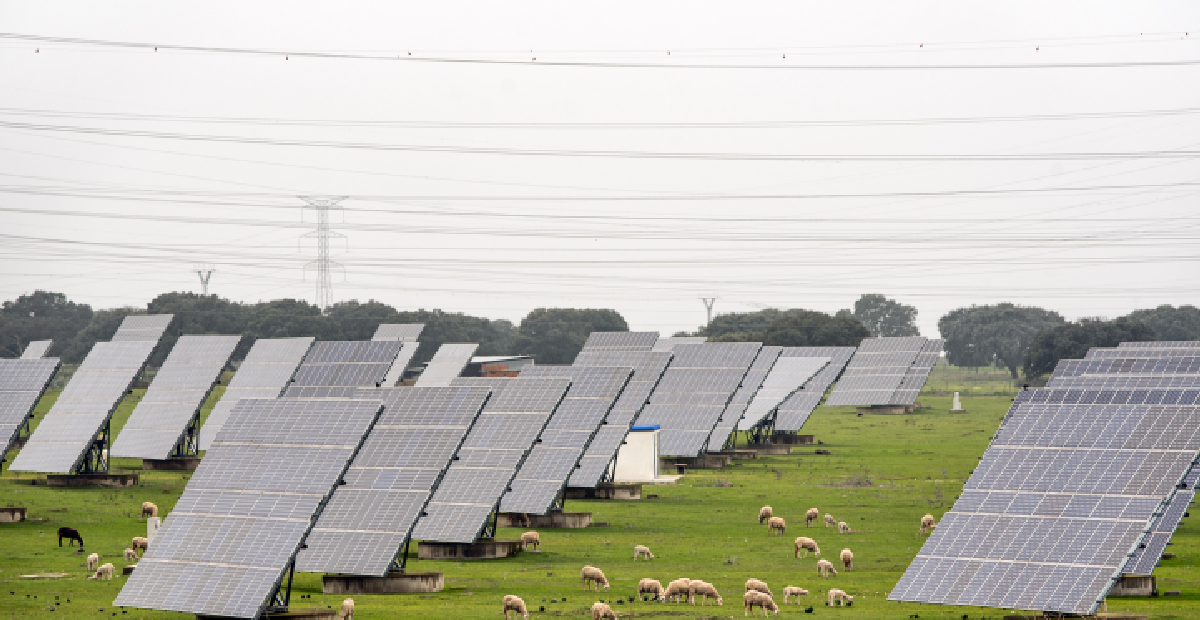
The world is changing fast in 2026 and that means Industrial energy managers are focused on optimizing the Generation Curve for their solar portfolios. Fixed-tilt solar projects have matured and reached their full potential, delivering approximately 50% yield in the first year of operation. This means that businesses are looking for ways to boost energy production from existing infrastructure. Solar tracking system projects on fixed-tilt ground mounts help to recoup lost energy by capturing additional sunlight during early morning and late afternoon hours. By minimizing “cosine loss” when the sun isn’t hitting surface perpendicular, a solar tracking system project can take your world-class energy system to the next level of energy performance.
Anatomy of a solar tracking system project: Sensors and actuators
While a Solar Tracking System project requires more than just great hardware and solar tracking sensors (like those we offer) it also needs a smart software that can control and operate the system. Our Solar Tracking System controller contains a micro-computer which executes various astronomical calculations and can track the sun through the day with precision. Although sun tracking solar technology has advanced greatly since 2006, there is a unique feature that is commonly used called “Backtracking” which prevents the tracking of solar panels from a position that could shade other panels during low sun angles at dawn and dusk. Our system uses robust high-torque actuators constructed from high quality stainless steel parts and IP67-rated electronics that are ruggedly designed to withstand the toughest of outdoors environment and can function for over 25 years.
Sun tracking solar: Maximizing photon harvest from dawn to dusk
Sun tracking solar systems flatten the generation curve significantly reducing the “dump load” hours around dawn and dusk and increasing energy production during normal business hours. Most fixed solar arrays develop their daily energy in a sharp “bell curve” around noon. Tracking systems on the other hand, begin to develop significant energy earlier in the day and taper off gradually in the late afternoon/evening continuing to produce considerable energy well after business hours. This is particularly important in the industrially zoned areas of our region where land is a premium commodity. For the commercial operator on a 9-to-7 schedule or around the clock, this feature increases energy production by 20-30% for the same Nameplate as a static system.
Lowering the cost of commercial solar energy through dynamic tilt
When evaluating the viability of a project, the cost of commercial solar energy (LCOE) becomes the most critical parameter to assess the feasibility of the project. Solar tracking systems not only increase the total kilowatt-hours of energy that can be generated from a given piece of land but also reduce the LCOE over the life of the project. Although the initial investment for installing a tracker system is more than for fixed tilt solar power plants or grid-tied solar power plants, the gains in kilowatt-hours are huge and provide a lower LCOE over the life of the project. The cost of key sensors and motor controllers have plummeted in 2026 to levels that make the ‘tracker premium’ cheaper than ever before. This translates into millions of rupees for high-demand users like a beverage manufacturing plant over the life of the project.
The impact of solar tracking systems on total solar power plant cost
From an initial installation cost perspective, the effect of adding trackers to a solar power plant is often perceived to increase the installed cost above that of an alternative fixed tilt configuration. Although trackers do introduce additional requirements for structural steel to support the larger array configuration as well as higher complexity and cost of associated electronics, the net effect is typically an increase in the initial cost of installing the solar power plant of 10-15%. The trade-off here is for a slightly greater complexity in installation in exchange for significantly reduced required site area through installation of fewer modules. While this may have initially resulted in limited incremental improvements in BoS efficiencies given the rapidly declining cost of higher yield modules, in the long run the pre-existing and ongoing differential in cost between the pre-assembled fixed tilt solution and the tracking solution represents a higher return on investment for the owner to create a more productive and bankable energy asset.
Engineering for durability: Protecting your solar power project assets
As with any mechanically rotating part, normal and expected maintenance is a consideration. Unlike traditional tracking systems that require periodic lubricating of bearings or motor maintenance, today’s solar tracking systems have incorporated numerous features that minimize maintenance. Tracking systems that have the ability to tilt also have a “Stow-Mode” that automatically positions the solar array to a safe position during high wind events. The system monitors the real-time anemometer reading and secures the solar panels to a horizontal position to minimize loads due to wind. Most solar tracking systems are designed with self-lubricating bearings and brushless DC motors, thereby reducing the normal wear and tear of a mechanical system when compared to a fixed mounted array. Future assets will be protected by enabling an advanced engineered 2026 solar installation to perform at its best.
SunShell Power: Your technical authority in tracking technology
SunShell Power is happy to provide technical support for the implementation of the complex solar tracking system. We design topographic projects and select the optimal gear ratio and motor torque for a given project based on local soil and wind and wind conditions. We clearly and accurately determine the solar power plant cost without concealing the cost of the project. In addition, we conduct a detailed ROI simulation that proves the long-term reduction of the cost of commercial solar energy. From the topographic survey to the commissioning of the AI-controllers, we build solar power projects with the highest international standards. This is what drives us to complete our mission of leading the global energy transition.
Conclusion: The future of high-density solar generation
Land is running out and the battle for power generation from less space to meet demand is intensifying with the run up to 2026 and net zero. The Solar Tracking System Project is the ultimate solution to maximising solar power from dawn to dusk for end users, meeting their ever increasing high demands for power. SunShell Power brings global best practices to the design and development of modern Photovoltaic projects, striving to improve bankability of solar projects. With decades of experience in the solar power industry, SunShell Power improves energy yield, energy density and cost of the commercial solar energy for utility scale solar power plant projects.
FAQs
How much more energy can a solar tracking system project produce vs fixed-tilt?
A professionally engineered solar tracking system project can typically produce 15% to 25% more energy annually than a standard fixed-tilt system. By utilizing sun tracking solar technology, the panels maintain an optimal angle to the sun throughout the day, capturing significantly more radiation during the morning and evening hours. For large-scale commercial solar power projects, this increase in yield drastically reduces the cost of commercial solar energy (LCOE) and improves the overall project bankability. In high-irradiance regions of India, the performance gap between solar tracking systems and static arrays is even more pronounced, often justifying the slightly higher initial investment.
Does the solar power plant cost for tracking systems include higher maintenance?
While solar tracking systems have moving parts, modern engineering has minimized the maintenance requirements, making the overall solar power plant cost highly competitive over a 25-year lifecycle. In 2026, the use of self-lubricating bearings and weather-sealed electronics means that a solar tracking system project requires only an annual mechanical check alongside regular panel cleaning. The additional generation provided by sun tracking solar far outweighs the marginal increase in O&M costs. Most facility managers find that the reduction in the cost of commercial solar energy more than compensates for any additional maintenance required to keep the trackers operational.
Are solar tracking systems suitable for high-wind industrial areas?
Yes, modern solar tracking systems are designed with advanced “stow” logic to handle extreme wind speeds. Every solar tracking system project we commission includes real-time wind sensors that alert the central controller to position the panels horizontally during a storm. This feature protects the structural integrity of the solar power project and prevents damage to the high-efficiency modules. By using hot-dip galvanized steel and robust anchoring, a solar power project equipped with trackers can withstand wind loads of up to 150 km/h. This resilience is a key factor in the long-term reliability and safety of a high-performing solar asset.
How do solar tracking systems lower the cost of commercial solar energy?
The cost of commercial solar energy is calculated by dividing the total system cost by the total energy produced over its lifetime. Because solar tracking systems significantly increase the “denominator” (energy production), they effectively lower the Levelized Cost of Energy (LCOE). Even though the initial solar power plant cost is higher, the trackers produce more kilowatt-hours for every watt of capacity installed. This makes sun tracking solar technology a superior choice for businesses that want to maximize their energy independence while minimizing the long-term price of electricity. It is a strategic technical choice that prioritizes yield over upfront hardware savings.
Is a solar tracking system project viable for a commercial rooftop?
While solar tracking systems are most commonly used in ground-mounted commercial solar projects, they are generally not recommended for standard rooftops due to their weight and wind-load complexity. For most industrial facilities, a high-efficiency fixed-tilt commercial solar system is more cost-effective for the roof. However, if a facility has a large amount of captive land, a ground-mounted solar tracking system project is the most efficient way to generate large-scale power. At SunShell Power, we conduct a thorough site audit to determine if your specific location is better suited for a high-density fixed array or a dynamic sun tracking solar installation.