Synopsis
Explore the aquatic frontier of energy with a floating solar power station, a transformative solution for land-scarce regions in 2026. This blog breaks down the complex solar power plant installation process on water bodies, analyzing how a floating solar plant effectively reduces water evaporation by up to 70% while boosting energy yield. We delve into the unique cooling effect of water that enhances panel efficiency by 5-15% compared to traditional land-based arrays. The post provides a technical overview of commercial solar power projects on water, highlighting the use of marine-grade HDPE floats and specialized mooring systems designed to withstand monsoon conditions. Additionally, we analyze the solar energy plant cost of these systems, demonstrating how sharing existing grid infrastructure—such as hydropower dams—can offset the initial capital premium of floating structures. Readers will gain a clear perspective on why a floating solar plant is becoming a cornerstone of India’s renewable roadmap, offering a dual-benefit of land conservation and high-efficiency power generation. Whether for irrigation reservoirs or industrial ponds, the floating solar power station represents the next leap in engineering excellence, turning underutilized water surfaces into high-performing, sustainable energy assets for a net-zero future.
Table of Contents
The 2026 aquatic shift: Why floatovoltaics are surging
In order to meet the rising demands for renewable energy in 2026, the decreasing availability of land and the associated costs of buying new sites is driving growth in the field of floatovoltaics. By installing solar power plants on reservoirs, industrial ponds and irrigation canals, industry and municipalities can maximise the use of water resources to generate power while at the same time preserving the land for other uses. The result is a diversification and increase in the resilience of the energy supply, and the use of as much surface area as possible to meet energy demands.
The engineering core: Anatomy of a floating solar power station
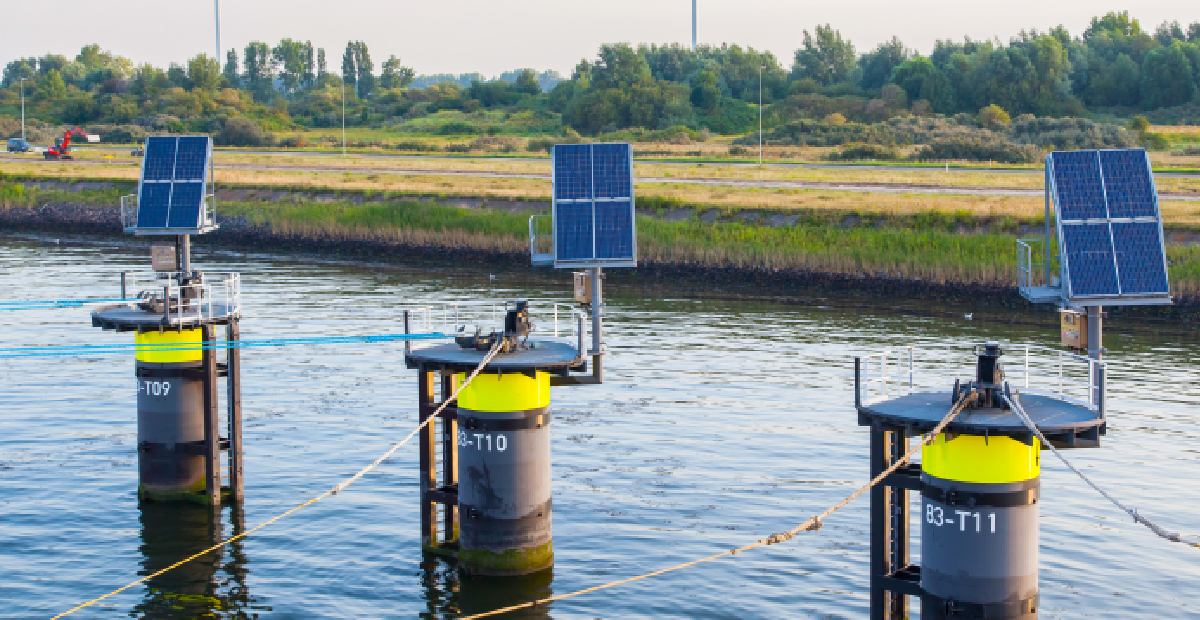
In addition to the standard design parameters for ground mounted solar power stations, additional considerations are required when designing a floating solar power station (FSP). The FSP consists of high-density polyethylene (HDPE) built-up floats (called “frames” or “modules”) that support the solar panels and form a rigid grid to support them. The floats are designed to be UV stabilized to protect from the sun, strong enough to withstand wind and wave motion, and the mooring system and anchoring system is the most critical safety feature that utilizes flexible marine mooring cables with heavy weight Marine Anchors to ensure that the structure remains secure and stable. Each solar floating structure design is unique and requires special consideration in the engineering, testing, and planning for installation. Often, complex engineering and multiple design cycles are required to achieve the optimal solar power station design for the specific site and operating conditions.
Step by step solar power plant installation on water
Before we start building a solar power plant on water, we first carry out a detailed bathymetric analysis to determine the optimal position and installation options for the plant. Our approach for installing the solar modules on the floats starts with building the floating base on the shore, then towing it to the desired location and assembling the “islands” at the site. The mooring lines are then secured by divers and marine engineers to the pre-set anchors and tightly tied. The DC cables, made from waterproof materials, are then routed to the floating inverter stations or to the inverter rooms on shore, keeping the electrical components away from moisture but still connected to the power grid.
Thermodynamic advantages: How water cooling boosts yield
Floating solar panels on water surface have the inherent advantage of keeping the panels cool due to water body around them. As solar irradiance is essential for electricity generation through solar panels, increase in temperature degrades their efficiency. Typically, water surface acts as a heat sink for solar panels and keeps them around 4-6°C cooler than terrestrial conditions resulting in increased efficiency of around 5-15% for commercial solar power plant installation in India. Additionally, the floated solar panels on water body also prevent sunlight penetration in water thus controlling algae growth and water evaporation to the extent of up to 70%. Hence, these plants are highly sustainable and viable for power generation in water stressed locations.
Analyzing the solar energy plant cost: Land vs water
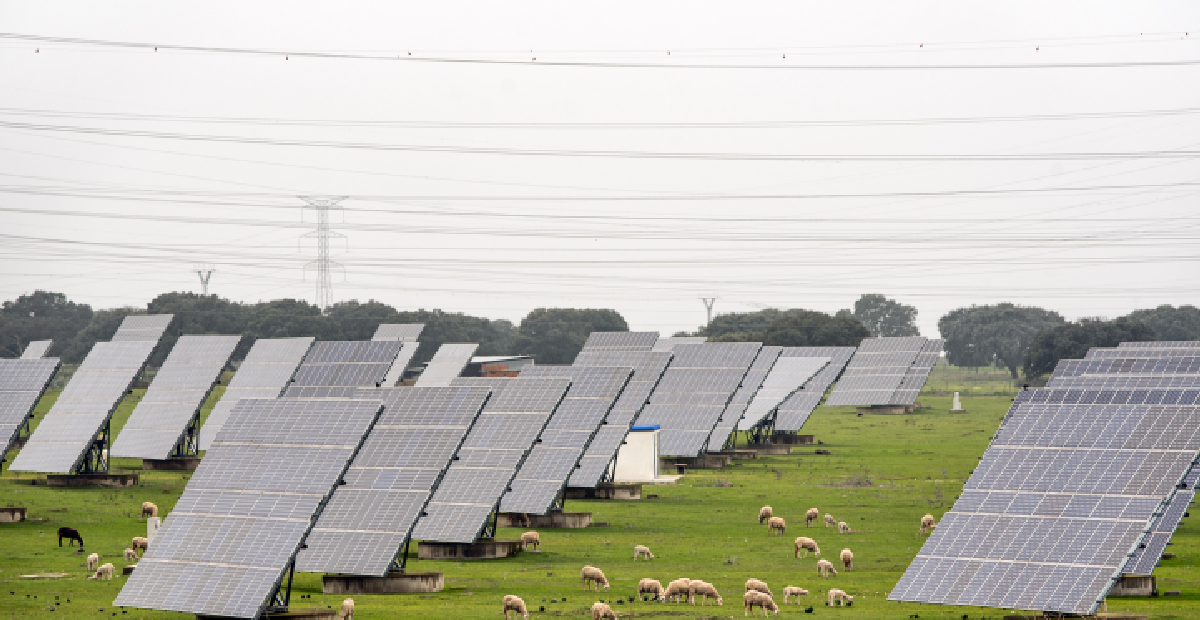
The cost to include in your budget for a solar energy plant with a floating deck can be 10-25% higher per acre than that of a ground mount. The main reasons for this higher cost are 1) the unique floated and partially submerged architecture of the floated infrastructure, 2) marine dedicated anchors & foundation and 3) waterproofing of standard electrical components and wiring. While the initial cost determay prevent some developers from exploring the options of a floating solar energy installation, the overall lifecycle cost may end up comparable to that of a traditional ground mount installation in situations where land is expensive to purchase, or takes a lot of work to grade and prepare the site. Additionally, floating solar plants can easily share the high voltage transmission lines and substations of adjacent hydropower plants improving the Balance of System (BOS) cost improving the bankability of the project to utility developers.
Commercial solar power projects: Case studies in resource efficiency
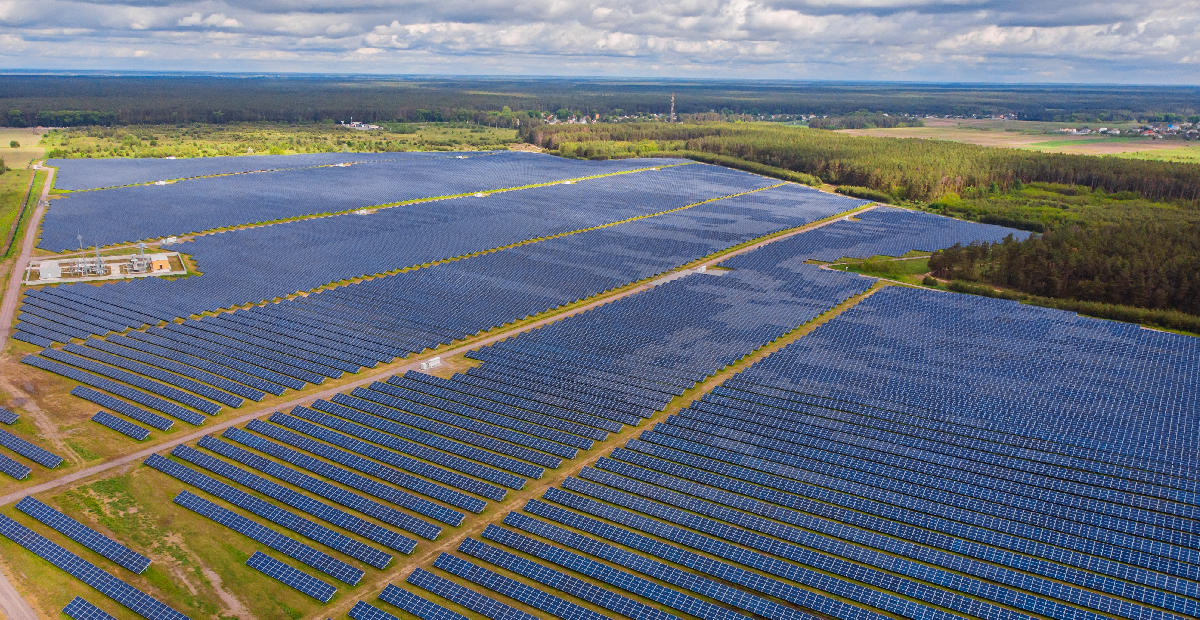
As we inch closer to 2026, large commercial solar power projects on water are running smoothly all over India. A 100 MW floatovoltaic solar power project was recently set up at Ramagundam in Telangana. Large commercial solar power projects on water are particularly attractive to industries with large raw water reservoirs, by saving out valuable yard space and reducing captive energy consumption thus leading to profitable returns. As technology develops the supply chain for these floating structures is becoming increasingly local, leading to decrease in solar energy plant cost. Every industrial pond, and dam is turning into a highly performing source of decentralized power.
SunShell Power: Your authority in floating solar engineering
Not all commercial solar power projects are created equal. For the largest solar power projects, SunShell Power delivers a fully optimized technical design and precise implementation. For our Floating Solar Power Station design, SunShell Power has marine engineering expertise to ensure the structure withstands the worst wind and wave conditions at a site. We provide a clear and robust solution for the solar energy plant cost delivering strong CAPEX numbers and incremental yield from water cooling. We provide a fully integrated solution from initial feasibility studies to turn-key project commissioning, turning your water assets into robust sources of power. A pioneering solution that enables businesses to retain their most valuable land while pushing the boundaries of solar energy technology.
Conclusion: Transforming reservoirs into power hubs
The first installation of a floating solar power plant is expected to open thousands of gigawatts of potential on the world’s lakes, rivers, reservoirs and dams by 2026. At SunShell Power, we have the unique engineering expertise and long-term focus on project bankability to help you reach your goals. We specialize in reducing the LCOE of solar energy plants by sharing infrastructure on water bodies or boosting annual energy production through floatovoltaics, while reducing life cycle cost and maximizing energy return. We invite you to join us in harnessing the world’s water resources for a cleaner, autonomous future.
FAQs
How does a floating solar power station withstand monsoon winds and waves?
A professionally engineered floating solar power station is designed with a specialized mooring and anchoring system to maintain stability during extreme weather. During the solar power plant installation, marine engineers use high-strength, flexible cables that allow the floating solar plant to rise and fall with water levels while resisting lateral wind loads. High-density polyethylene (HDPE) floats are utilized to provide robust buoyancy and UV resistance, ensuring the modules stay out of the water. As a leading solar power plant company, we prioritize site-specific structural simulations to ensure the array remains secure even in the most challenging monsoon conditions.
What is the typical solar energy plant cost for a floating system vs land-based?
In 2026, the solar energy plant cost for a floating system is approximately 10-25% higher than a comparable ground-mounted system. This premium in solar energy plant cost is due to the specialized buoyancy platforms, marine-grade anchoring, and waterproof DC cabling required for a floating solar plant. However, the land-saving benefits and the 5-15% increase in efficiency from water cooling often result in a superior long-term IRR for commercial solar power projects. For industries with existing water bodies, the solar energy plant cost is further mitigated by the absence of land acquisition or leasing fees.
Does a floating solar plant affect the water quality or local ecosystem?
Generally, a floating solar plant has a positive impact on water quality by providing shading that limits excessive sunlight penetration. This shading reduces the growth of harmful algae and decreases water evaporation by up to 70%, which is a critical benefit for a floating solar power station in arid regions. During the solar power plant installation, we ensure that the floating materials are food-grade and non-toxic to prevent any contamination of the water body. Most commercial solar power projects are viewed as environmentally beneficial dual-use models that conserve both land and water resources.
How is the maintenance of a floating solar power station performed?
The maintenance of a floating solar power station involves regular cleaning of the panels and periodic inspections of the mooring lines. Because a floating solar plant is located away from dusty roads and agricultural activities, it often experiences lower soiling losses than land-based systems. Maintenance teams typically use small boats or designated walkways on the floats to access the array for cleaning. Advanced monitoring systems installed by a professional solar power plant company provide real-time data on electrical performance, allowing for proactive maintenance and ensuring the commercial solar power projects remain at peak productivity.
Can floating solar technology be integrated with existing hydropower plants?
Yes, integrating a floating solar power station with hydropower is one of the most efficient trends in commercial solar power projects in 2026. This hybrid model allows the solar energy to be generated during the day while the hydro plant stores water, effectively acting as a natural battery. This integration drastically reduces the solar energy plant cost by utilizing the existing grid connection, substations, and transmission infrastructure. Many utility-scale projects are managed by a specialized solar power plant company to ensure that the combined output remains stable and the solar power plant installation does not interfere with hydro operations.