Synopsis
The agricultural sector of India experiences rising water scarcity together with unstable power distribution which solar-powered irrigation systems can successfully resolve. The blog examines how solar pump systems enable Indian farmers to obtain dependable sustainable and affordable water resources across the nation. The solutions eliminate dependence on diesel pumps and unstable grid electricity while decreasing future operational costs.
The article presents three solar pump types including surface pumps and submersible units and hybrid solar-diesel systems which match different groundwater depths and farming needs. Solar irrigation pumps operate both independently and connected to the power grid while offering remote monitoring systems and automated functions that decrease manual work requirements.
The PM-KUSUM initiative receives attention for its efforts to support solar pump adoption through subsidies while creating rural energy access opportunities. The article demonstrates how solar-powered surface pumps enhance yield consistency while developing climate-resistant agricultural businesses. The article presents real-life examples of agriculture solar solutions through case studies from Maharashtra, Rajasthan and Odisha which demonstrate group pump installations for cooperative farming.
The blog provides operational guidance to farmers and agri-entrepreneurs and FPOs and NGOs who want to implement efficient water management solutions using clean energy. The article demonstrates that solar irrigation serves as an essential rural transformation tool which will drive India’s agricultural development in the future.
Table of Contents
Introduction – The Water-Energy-Agriculture Nexus
Fueling Farms with the Sun
The irrigation needs of Indian farmers are met through unreliable grid power or expensive diesel generators. Solar-powered irrigation provides an environmentally friendly solution that matches water availability to sunlight hours during the day which matches agricultural operational patterns.
What Is a Solar Pump System?
Basic Components and Function
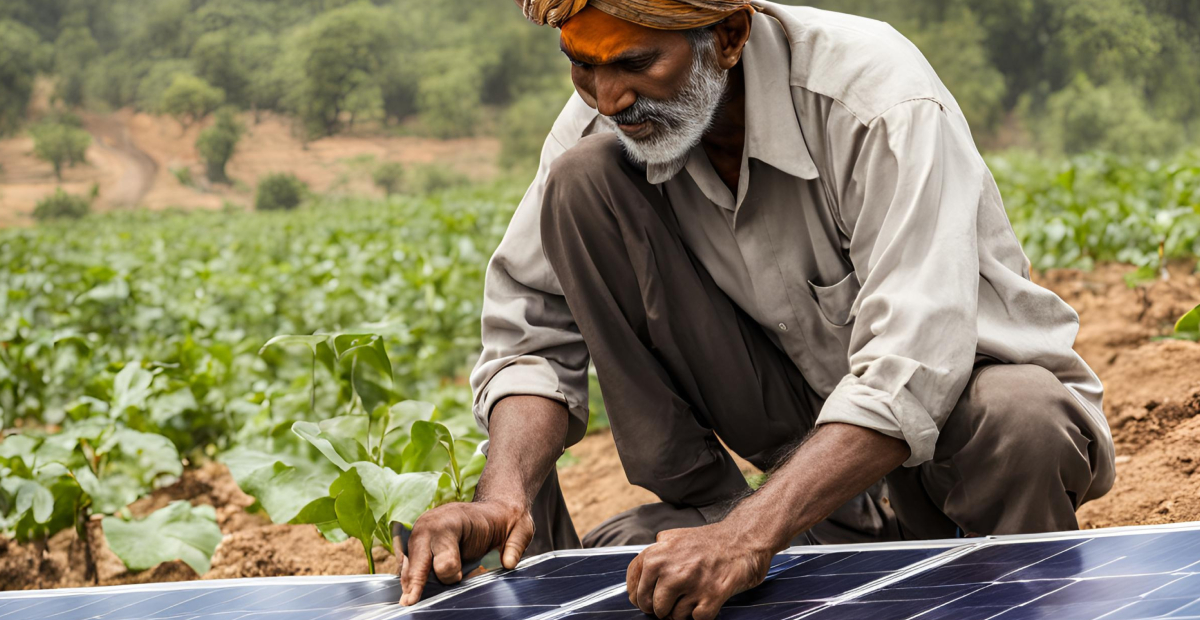
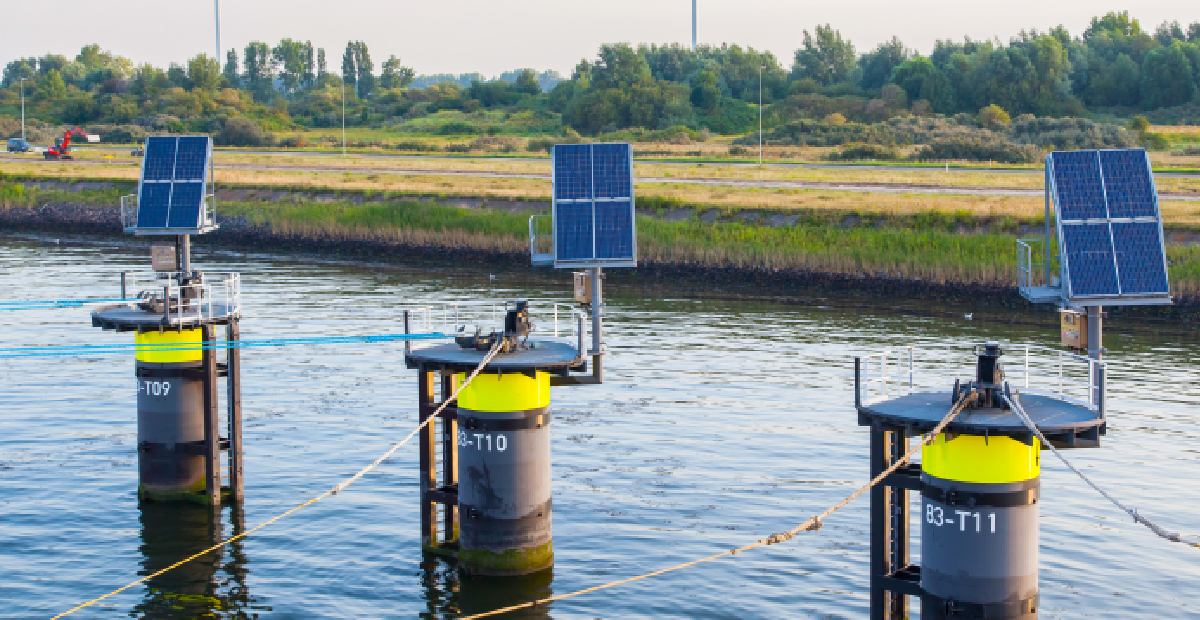
A solar pump system consists of solar panels together with a motor-pump unit and controller and optional battery storage. The systems use solar power to generate electricity which operates the pump to supply water to fields without needing fuel or uninterrupted power supply.
Surface vs Submersible vs Hybrid Solar Pumps
Matching Technology to Terrain
The surface pump operates best in shallow water environments such as ponds and canals. The submersible pump operates effectively in borewell applications that extend below the surface. Hybrid solar pumps operate through solar power and diesel power which provides continuous operation during cloudy conditions and high-load situations thus accommodating different agricultural land types.
Government Support for Solar Powered Irrigation
Policies Driving Rural Solar Adoption
The PM-KUSUM scheme provides capital subsidies that reach a maximum of 60% for solar pump systems. NABARD and state government initiatives further ease financial access. The programs serve as essential tools for achieving large-scale solar pump adoption in rural farming areas that lack access to electricity.
Cost and Maintenance Benefits for Farmers
Operational Freedom Without Fuel Bills
The installation of solar pump systems leads to substantial reductions in ongoing diesel expenses. The systems need minimal upkeep because they operate with clean energy and contain fewer moving components. Farmers can recover their investment costs through fuel savings within a period of 7–10 years.
Case Studies of Solar Pump Deployment in India
Field Success from West to East
A 5 HP solar pump operated in Maharashtra’s sugarcane region to provide irrigation for 3 acres without requiring diesel fuel. Smallholder farmers in Rajasthan joined forces to establish shared solar irrigation systems. The coastal farmers of Odisha adopted solar-powered surface pumps to cultivate betel leaf and vegetables.
Climate Resilience and Crop Yield Advantages
Sustainable Water for Better Harvests
The continuous water supply from solar pumps enables stable crop cycles and minimizes crop failures that occur because of unpredictable rainfall patterns and power outages. The technology helps decrease greenhouse gas emissions which supports the development of climate-resistant agricultural systems.
Future Outlook for Solar Agriculture Solutions
Integrating Smart Tech and Storage
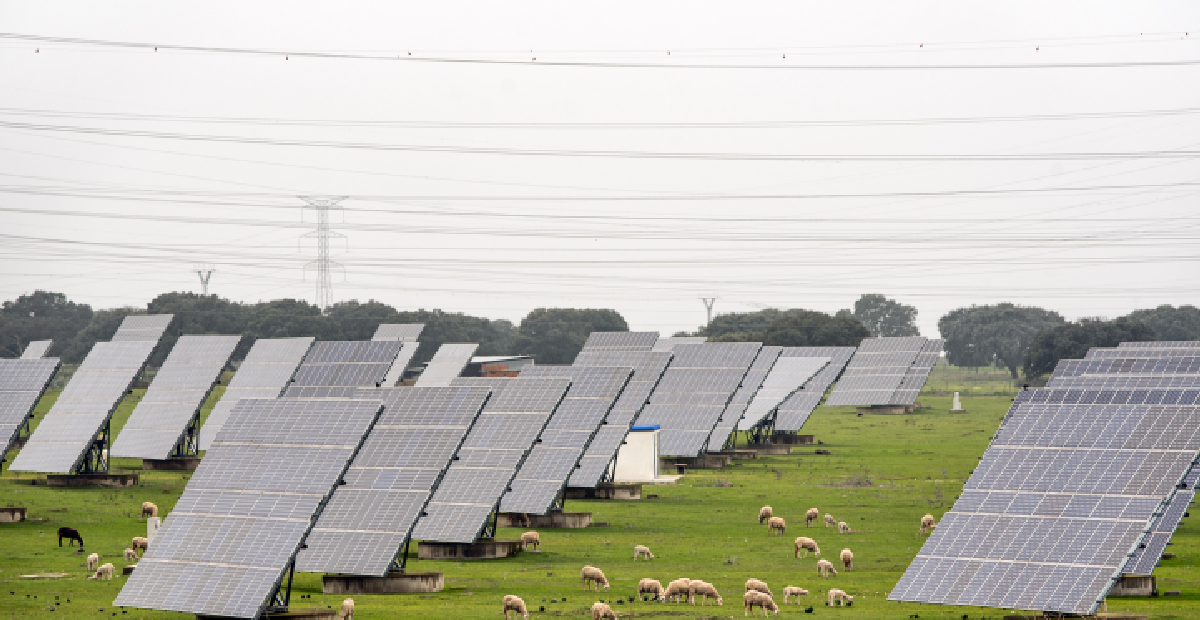
The upcoming years will bring improved efficiency through solar tracking technology and water sensors and automated irrigation systems. The decreasing cost of batteries will enable hybrid solutions to perform nighttime irrigation and precision agriculture integrations.
FAQs
What is a solar irrigation pump and how does it work?
A solar irrigation pump generates power from solar panels to extract water from a source before distributing it to agricultural fields. The system operates without diesel power or grid electricity which makes it suitable for rural and off-grid agricultural operations.
How much does a solar pump for agriculture cost?
The price of solar pumps varies between ₹1 lakh and ₹5 lakhs depending on their capacity and type. Smallholder farmers can obtain solar irrigation pumps at reduced costs through PM-KUSUM government subsidies which cut initial expenses by 50–60%.
What are the benefits of a solar powered surface pump?
The surface pump system provides economical operation for shallow water sources while requiring simple upkeep and suits both small agricultural operations and canal irrigation networks. The system functions autonomously through sunlight power which eliminates the need for fuel.
Can solar pumps support large-scale farming?
Yes. The correct combination of proper pump sizing and deployment with submersible or hybrid pumps enables solar systems to supply irrigation needs for extensive farmlands through storage or group-based implementation.
How long does a solar pump system last?
The average lifespan of solar pump systems extends from 15 to 20 years while requiring minimal upkeep. Solar panels maintain their operational efficiency after 20 years of use yet pumps require occasional maintenance or part replacements during their 7-10 year lifespan.