Synopsis
The fast industrial development of India together with its Net Zero goals creates a severe land shortage which makes floating solar power plants essential for large-scale energy generation. The article explores how floating solar plants provide better strategic and technical benefits than traditional solar power facilities installed on land . The research evaluates how concentrated solar power projects function as new technologies which support the growth of photovoltaic systems. The research investigates all cost factors that affect FPV solar plant expenses through an examination of anchoring systems and pontoons and specialized equipment requirements. The experts from our Solar Power Company in India firm explain how technological advancements combined with domestic manufacturing efforts reduce floating solar power plant costs to achieve sustainable financial stability.
Table of Contents
The achievement of 500 GW non-fossil fuel capacity by 2030 in India requires creative solutions that go beyond traditional energy infrastructure deployment methods. The limited availability of non-agricultural land for development requires developers to explore new national resource utilization methods. The floating solar plant has proven to be a transformative solution which enables the utilization of extensive waterbody surfaces including reservoirs and industrial water bodies for generating substantial amounts of energy. The floating solar plant method solves land acquisition problems which previously obstructed the development of conventional utility-scale solar energy projects. The floating solar plant technology has moved from experimental testing to commercial implementation which represents a transformative change in Indian utility-scale renewable energy planning and execution methods while proving water-based solutions work effectively.
The New Frontier: Why Floating Solar Plant viability is a national priority
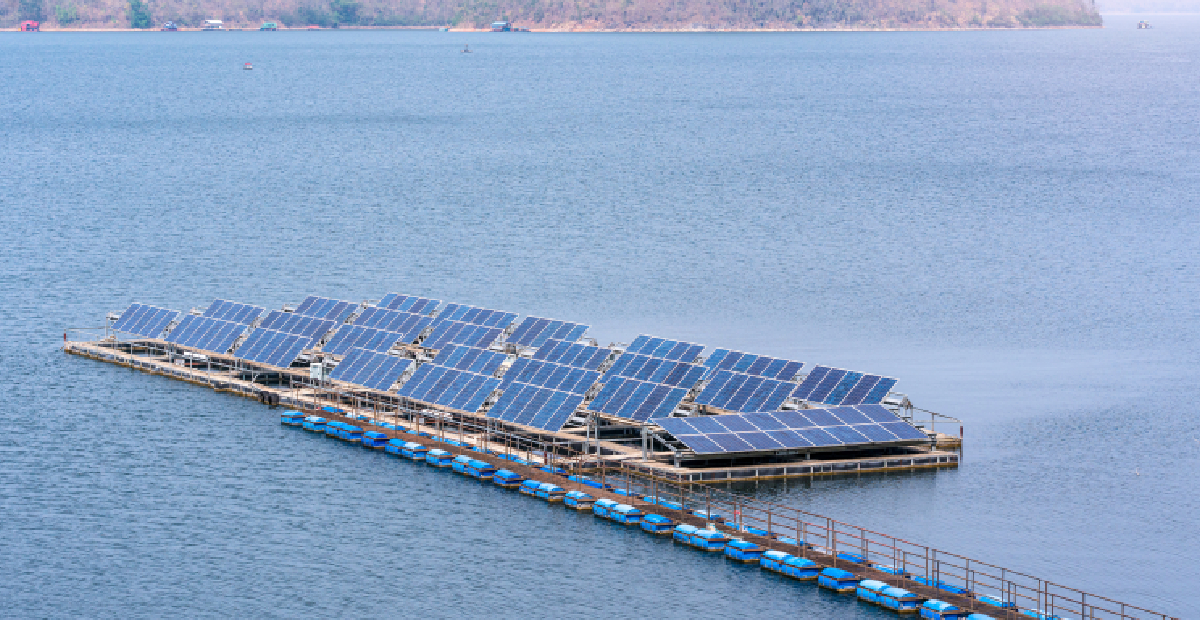
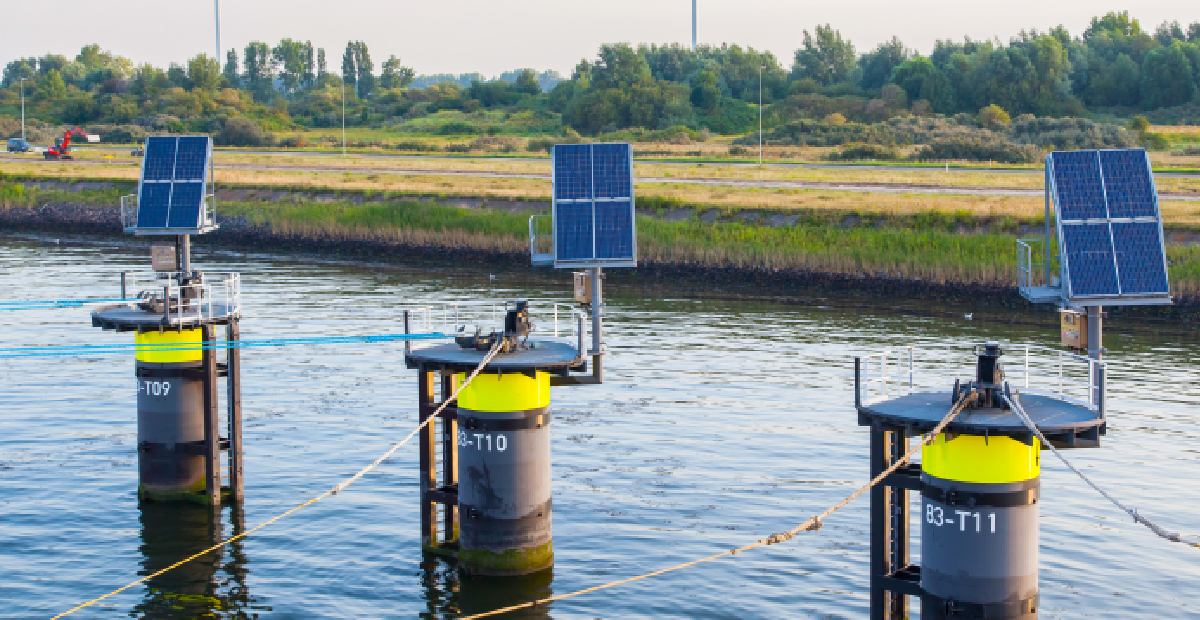
The floating solar power plant serves two strategic purposes which include power output optimization and water resource protection. FPV uses unproductive water areas to generate power which prevents conflicts over land use and allows agricultural and residential areas to remain available for different purposes (Source: Industry research). The water layer under the solar panels creates natural cooling which represents a vital technical benefit for the system. The natural cooling mechanism of the system keeps PV modules at lower operating temperatures which research shows can boost energy production by 10% relative to ground-based systems thus making floating solar power plants more profitable.
The dual advantage: efficiency and water conservation
A floating solar plant provides environmental management advantages that go beyond its power generation capabilities. The solar array installed on water surfaces reduces water evaporation rates by a significant amount which proves essential for dry and water-deprived areas of India. The Environmental studies on FPV indicate that FPV systems can decrease water loss by 70% throughout the protected water area (Source: Environmental studies on FPV). The floating solar plant operates as a dual-purpose facility because it generates power while protecting water resources. The installation of floating solar plants creates shade which blocks sunlight from entering the water thus preventing harmful algal blooms and enhancing the quality of reservoir water.
Dissecting the Solar Plant Cost and financial viability
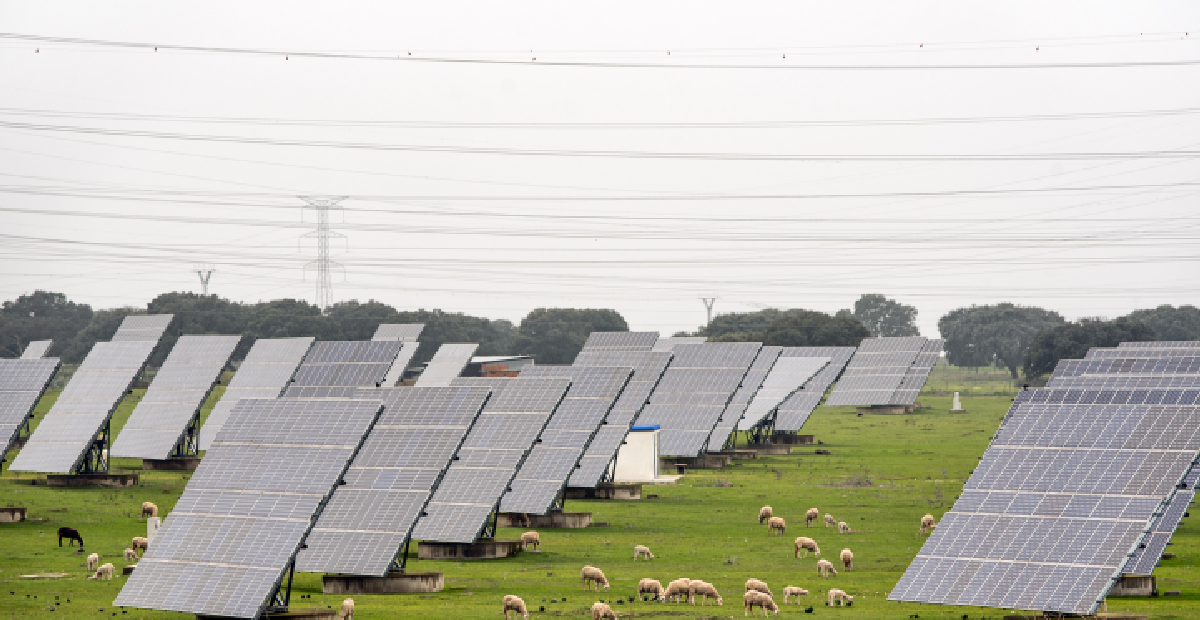
The construction of floating solar power plants requires higher initial investment than ground-based systems because floating structures need specialized equipment and anchoring systems and marine-grade electrical components. The higher solar plant expenses at first get compensated by multiple advantages. The process of land acquisition and preparation becomes unnecessary which leads to decreased soft costs that enhance financial performance. The water-cooling effect in floating solar systems produces better energy performance which extends the system’s operational period. The development of local manufacturing for specialized floating platforms in India will reduce FPV system costs which will enhance their market competitiveness for upcoming solar energy installations.
Comparative analysis with concentrated solar power projects
The Photovoltaic (PV) technology sector including FPV dominates the market yet concentrated solar power projects (CSP) represent alternative utility-scale solutions for the market. CSP technology uses mirrors to concentrate sunlight onto receivers which produce heat that gets converted into electricity through integrated thermal storage systems. The ability of CSP to store thermal energy makes it possible to generate electricity during nighttime hours which enhances power grid stability. The high initial costs and extensive land needs of concentrated solar power projects together with their requirement for direct normal irradiance make them less suitable for widespread deployment in various regions when compared to the cost-effective and scalable nature of PV systems. The national strategy for large-scale solar energy development relies on PV and FPV technologies as its primary components.
The engineering complexity of a floating Solar Power Plant
Specialized marine engineering expertise is needed for floating solar power plant construction to achieve both structural stability and extended operational reliability. The mooring system needs to be strong enough to maintain the array stability against wind forces and wave movements and water level changes that occur in Indian reservoirs. The selection of components for the system requires focus on both corrosion protection and water-proofing to stop chemical substances from entering the water body while maintaining environmental safety. The process of placing underwater cables and electrical transmission lines requires precise technical execution. A floating solar power plant requires a unified team of structural engineers and marine experts and electrical specialists who work together to handle the special challenges of underwater operations.
The vetting process for Solar Energy Projects
Major solar energy project partnership selection demands thorough evaluation of technical competence and proven ability to execute projects in difficult environments. The partner needs to prove their ability to execute both complex concentrated solar power projects and large FPV systems while showing their technical expertise and adaptability. The evaluation process should focus on their track record of successful grid connection and their commitment to follow national safety and quality standards (BIS/IEC). A Solar Power Company in India needs to show both effective project management abilities and clear financial disclosure to achieve the predicted LCOE. The thorough selection process protects large investments while guaranteeing the extended operational life of solar assets.
The Sunshell specialization: innovating beyond land constraints
Sunshell Power uses its expertise about Indian hydrological and land-use conditions to support all major business initiatives including the emerging FPV market. The engineering teams at Sunshell Power design floating solar power plants with advanced structural methods that provide secure anchoring and maximum power output regardless of water level changes. The company believes that innovative methods combined with precise project execution will help reduce the overall cost of these advanced solar power systems. Our consultative approach as a dedicated Solar Power Company in India helps clients achieve environmentally friendly solar energy investments that will remain financially beneficial for extended periods. The company maintains its commitment through strict implementation of international safety and quality standards.
Partnership with India’s foremost solar power company in india
Sunshell Power operates as a leading Solar Power Company in India through its specialized solutions which encompass both utility-scale ground-mounted and advanced FPV systems. Our team provides the best possible technology recommendations for each project site through our expertise in concentrated solar power projects and FPV design. Our company provides clear energy consulting services which help clients navigate through India’s complicated financing and regulatory systems. Our wide network and strong post-commissioning support system enables us to maintain peak performance for every floating solar plant which leads to client success and strengthens our position as a leading provider of long-term high-performance energy assets throughout India.
FAQs
Why is the floating solar power plant considered a strategic priority in land-scarce regions?
The floating solar power plant stands as a strategic priority because it solves the core issue of limited land availability while enabling big solar energy installations. The installations find their place on unproductive water bodies including industrial reservoirs and lakes to protect essential land areas for different uses. The FPV system eliminates the need for lengthy and costly site preparation and land acquisition procedures which standard ground-mounted solar projects require. The FPV system enables strategic co-location opportunities through its ability to link with existing hydroelectric facilities which optimizes shared transmission infrastructure to boost both project efficiency and grid stability.
What are the unique environmental benefits provided by a floating solar plant installation?
A floating solar plant delivers two environmental advantages through its ability to produce renewable power and protect water resources. The solar array covering the water surface effectively decreases water evaporation which protects essential water supplies in areas with limited water resources for residential and farming needs. The FPV system blocks sunlight from entering the water which prevents the development of dangerous algae blooms and results in better water quality. FPV stands out from conventional solar power systems because it creates a harmonious connection between power production and environmental protection.
How does the current solar plant cost of FPV compare with traditional ground-mounted systems ?
The construction of floating solar plants requires additional specialized equipment which leads to higher initial costs than traditional ground-based solar facilities. The comparison between initial expenses fails to show the complete picture. The FPV system achieves cost savings through land acquisition elimination and reduced civil works expenses. The natural water cooling system of the floating plant generates higher energy output throughout its operational period. The rising domestic production of specialized floating infrastructure in India will reduce total solar plant expenses which will make FPV more financially sustainable in the long run.
What advantages do concentrated solar power projects offer over traditional PV technology?
CSP projects can generate power through dispatchability because they store solar energy as heat which operates turbines to produce electricity during periods of low sunlight. The concentrated solar energy heats up a fluid which gets stored at elevated temperatures within dedicated thermal energy storage systems. The stored heat from concentrated solar power systems enables electricity generation through turbine operation at any time including nighttime and peak evening hours. The cost-effectiveness of PV technology for daytime power generation does not diminish its value as a storage-based asset which enhances grid stability and delivers continuous power supply.
Why is it essential to choose a specialized Solar Power Company in India for large-scale FPV installations?
The selection of a specialized Solar Power Company in India becomes vital because large-scale floating solar power plants need specialized marine and electrical engineering skills which typical PV companies do not possess. The partner needs to show expertise in building strong anchoring and mooring systems which can withstand the wind and wave conditions of Indian water bodies. The installation of floating solar power plants requires materials that are non-leaching and corrosion-resistant to protect the aquatic environment. A specialized Solar Power Company in India has the necessary technical expertise to handle complex risks which ensures the asset will operate at peak performance and maintain its extended lifespan.