Synopsis
The selection process for solar power solutions has evolved beyond a single universal choice because different homes and businesses need distinct solutions. Small solar projects now provide customized solutions for different energy requirements because solar technology and policy support continue to evolve. The blog evaluates solar installation options for residential buildings and commercial rooftops and mini power facilities used by schools and shops and small industries.
The article starts by analyzing small project solar panels through their compatibility with daily energy requirements and their ability to fit available rooftop or open space and financial resources. Every solar energy solution exists to fulfill the unique needs of homeowners and MSME owners and community institutions.
The article explains the main distinction between on-grid, off-grid and solar hybrid power systems which determines your electricity dependence and battery requirements and initial spending costs. The article investigates standard solar panel dimensions for projects and their power output capacity and inverter selection requirements to achieve proper system compatibility.
The cost of commercial solar panels requires thorough understanding because it affects budget planning. The blog demonstrates that site condition together with load profile and battery storage and subsidy eligibility determine the complete installation expenses. The blog demonstrates how to assess solar power system projects through ROI analysis and payback timeline evaluation.
The blog includes a system selection checklist which provides non-technical users with essential information for making sound decisions. The blog provides guidance on feasibility assessment together with local DISCOM guidelines and shadow analysis and subsidy application and post-installation service access. The blog provides case-based examples to help readers determine the best solar solution for domestic use or commercial growth or community service initiatives.
Table of Contents
Introduction – The Need for Customised Small Solar Projects
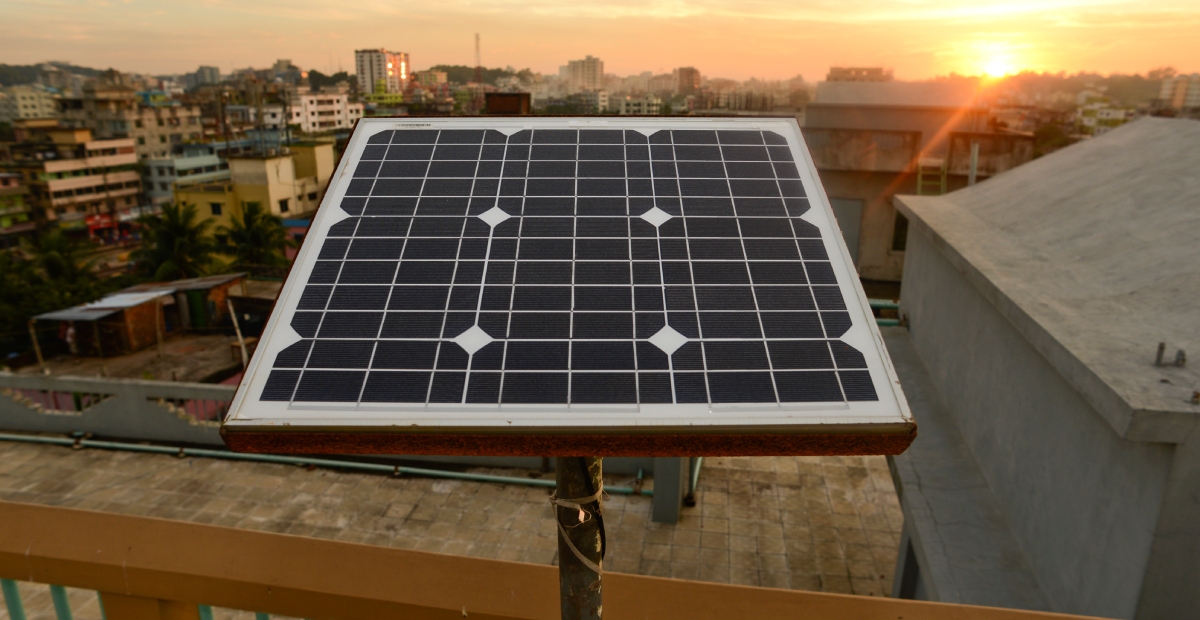
Each rooftop together with each user profile maintains its individual characteristics. A small residence needs a basic grid-tied system yet a school or clinic requires battery backup through a solar hybrid power system. The assessment of specific needs prior to investment will lead to maximum cost-efficiency and performance.
Types of Small Solar Installations Explained
Residential Rooftop Solar
The system is designed for residential customers who want to reduce their electricity costs. The system size ranges from 1 kW to 10 kW.
Commercial Rooftop Systems
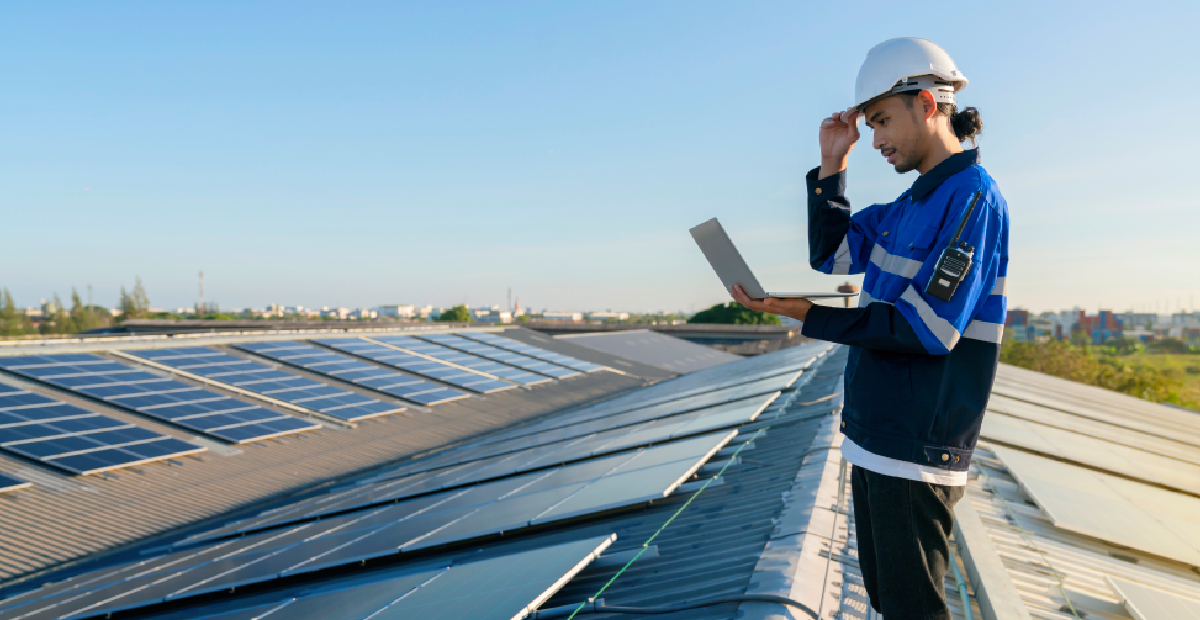
The system is used by offices, shops, or institutions with higher load. The system is above 10 kW with load-balancing features.
Mini Solar Power Projects
The setups are for rural schools, healthcare centres, or MSMEs—often in the 5–50 kW range with optional battery storage.
Understanding On-Grid, Off-Grid, and Hybrid Systems
The on-grid system functions through connection to the utility network which performs optimally in urban areas with reliable electricity supply. Off-grid systems need battery storage to operate in areas without access to the power grid. Hybrid systems unite both on-grid and off-grid capabilities to provide power access during outages and when the grid is available.
Cost Factors for Small Solar Projects
Equipment Costs
The prices of solar systems depend on the panel brand and inverter type and battery specifications.
Installation Site
The roof material and angle and available space determine the mounting structures and labor costs.
Subsidy and Policy
The government provides solar plate project system subsidies which cut down the initial investment by 40%.
ROI Analysis for Residential and Commercial Users
A standard residential solar power system requires 5–6 years to pay back its investment but commercial users can recover their investment in 3–4 years because they receive higher tariffs. The analysis presents IRR and breakeven point calculations for both scenarios with and without subsidy support.
Technical Considerations – Site, Load & Design
The efficiency of solar power systems depends on four essential factors which include load mapping and shadow analysis and battery sizing and panel orientation. A 5 kW solar panel system installed in Delhi will generate different power output than the same system installed in Bengaluru because of varying sunlight exposure.
Real-World Use Cases and Outcomes
The section presents examples of MSMEs who use small project solar panels to power their operations and rural clinics that maintain continuous operations through solar-powered lighting and refrigeration systems.
How to Choose the Right System – A Checklist
A ready-to-use decision-making tool enables users to match their needs with system types through the following steps:
- Is the site remote or urban?
- What’s the average daily load?
- Is there grid reliability?
- Are night time operations required?
FAQs
What is the best small solar setup for a house?
A 3–5 kW grid-tied rooftop system is ideal for most homes. It reduces electricity bills and requires minimal maintenance.
What does a hybrid solar power system offer?
Hybrid systems provide both power connection to the grid and battery storage capabilities. The system maintains power supply during blackouts and functions optimally in regions with unreliable power supply.
How much space is needed for a small solar installation?
The installation of 1 kW solar power requires 100 square feet of space. A 5 kW solar plate project requires 500 square feet of open space without any obstructions.
Does the government provide financial support to small commercial solar power projects?
Rooftop systems with capacities below 500 kW usually receive central or state government subsidy benefits. The project eligibility depends on its size and location as well as the DISCOM policies.
What is the cost range for commercial solar panels for small businesses?
The cost of commercial solar panels for MSMEs ranges between ₹45–₹55 per Wp, depending on technology and installation conditions.