Synopsis
The development of floating solar power plants transforms renewable energy production through innovative engineering solutions that optimize land usage. The installation of solar PV panels on water surfaces enables maximum utilization of vacant areas while simultaneously decreasing water evaporation and enhancing solar panel performance. The implementation of floating solar power projects on reservoirs and lakes and industrial water bodies enables developers to produce substantial clean energy without needing to claim additional land. This article investigates floating solar power station mechanics and advantages while evaluating their scalability and floating solar plant costs relative to standard systems. The article presents examples of extensive floating solar power installations together with their economic effects on areas with scarce land resources. The discussion includes environmental benefits that result from decreased algae growth and better biodiversity protection. The blog provides a complete resource for businesses and policymakers and investors who want to access floating solar power potential through its analysis of installation difficulties and maintenance requirements and financial strategies.
Table of Contents
Introduction to Floating Solar Power
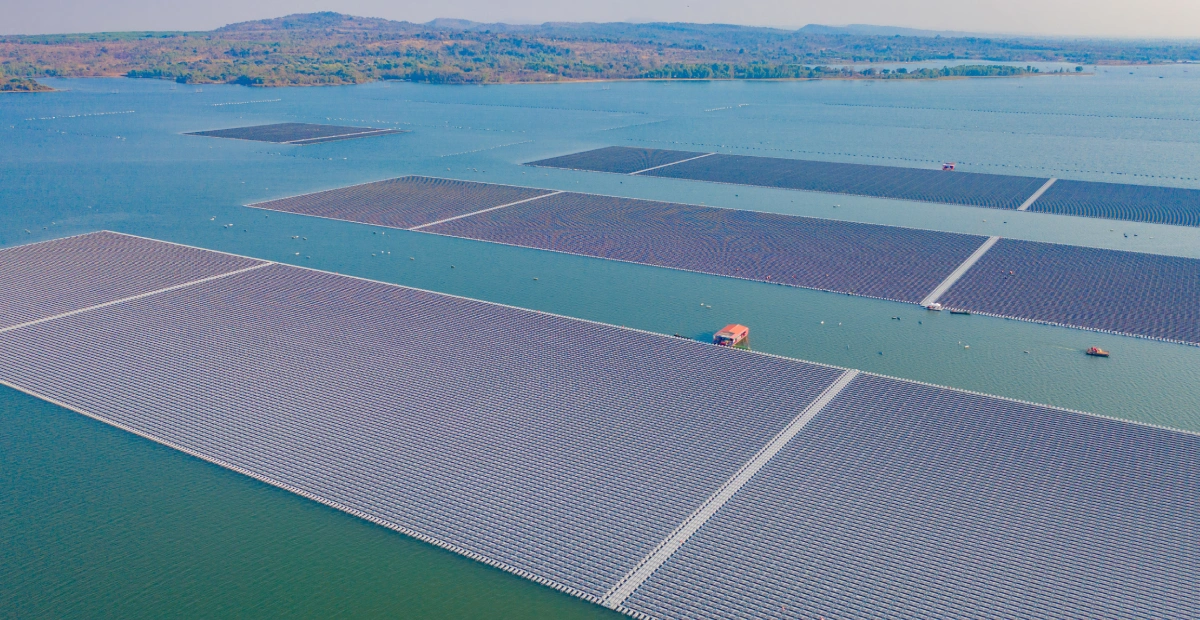
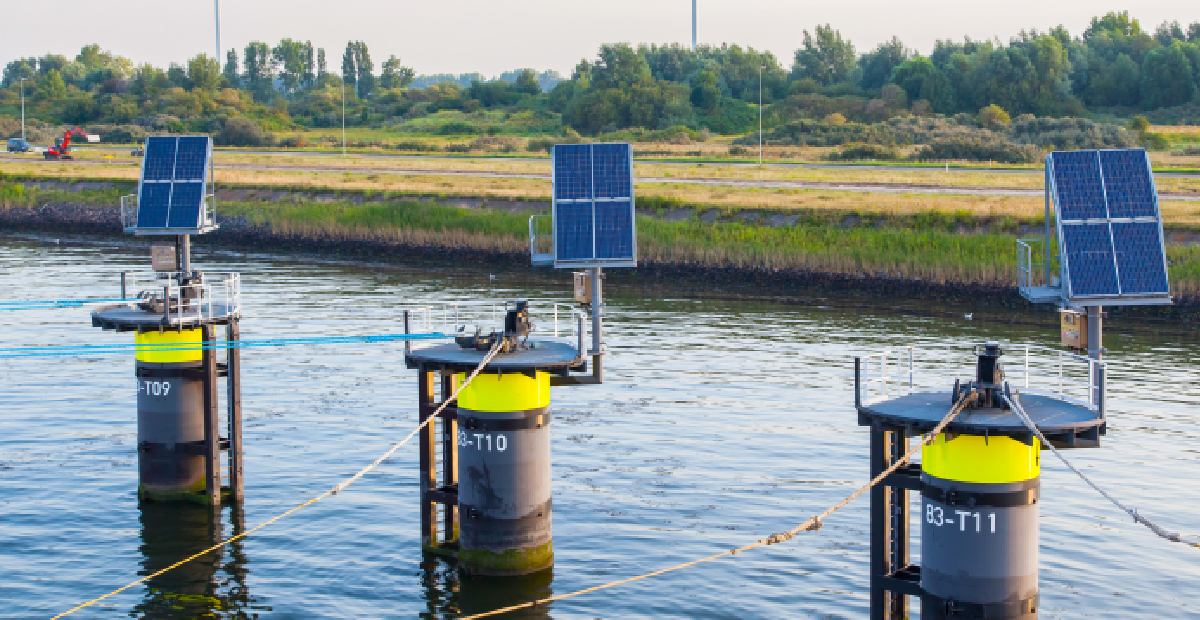
A floating solar power plant requires the placement of photovoltaic systems directly on water surfaces instead of using land. The innovative solar power systems have become popular in regions with limited land availability or high land costs because they deliver both renewable power and effective water management capabilities. The use of existing reservoirs and lakes and dam surfaces provides a promising alternative to conventional ground-based solar power systems.
How Floating Solar PV Panels Work
The photovoltaic cells in floating solar PV panels operate identically to standard panels by transforming sunlight into electricity. The floating platforms support the panels which maintain stability at water level. The array remains secure through specialized anchoring systems which adjust to water level fluctuations and weather conditions. The water cooling system enhances panel performance which leads to better energy output.
Advantages of Floating Solar Power Plants
The installation of floating solar power plants reduces land acquisition expenses while protecting agricultural and commercial operations from relocation. The systems decrease water evaporation from reservoirs which helps preserve water resources in areas that experience drought. The water surface temperature remains lower which results in better panel efficiency and longer equipment lifespan.
Applications of Floating Solar Power Projects
Floating solar power projects work well for water treatment facilities and irrigation reservoirs and industrial ponds and hydropower dams. The integration of floating solar power systems with existing hydroelectric facilities enables the creation of hybrid renewable power solutions which maintain continuous electricity generation during periods of low hydroelectric output in dry seasons.
Analysing the Cost of Floating Solar Plants
The installation of floating solar plants requires additional expenses because specialized platforms and anchoring systems and corrosion-resistant components drive up the overall cost compared to traditional land-based solar installations. The initial investment for floating solar installations is offset by reduced land acquisition costs and potential efficiency improvements. The combination of decreasing equipment prices and growing manufacturing scale makes floating solar systems more cost-effective.
Environmental and Operational Benefits
Floating solar power stations generate electricity while simultaneously maintaining ecological balance through their ability to control algae growth and protect aquatic species. The decrease in water evaporation helps both agricultural operations and municipal water supply networks. The installations show resistance to flooding and other environmental risks which affect land-based areas.
Sunshell Power – Pioneering Floating Solar Solutions
Sunshell Power creates floating solar power projects through innovative engineering solutions that deliver sustainable results. Our team provides complete floating solar PV panel array solutions from feasibility studies to customized installations that maximize energy output and environmental sustainability. Our projects maintain maximum stakeholder returns through their ability to withstand demanding conditions.
FAQs
What is a floating solar power plant?
The renewable energy system consists of photovoltaic panels installed on water bodies which include lakes and reservoirs and dams. The systems protect land areas while minimizing water loss and enhance solar panel performance by using water cooling.
How do floating solar PV panels differ from land-based panels?
The floating solar PV panels function identically to ground-based solar panels yet they exist on floating structures. The water temperature provides performance enhancement while specialized anchoring systems maintain stability through water movement.
What is the cost of a floating solar plant?
The installation of floating solar plants requires additional specialized materials and installation procedures which leads to higher initial expenses. The combination of land cost savings and enhanced efficiency allows floating solar plants to recover their initial expenses throughout their operational period.
Where are floating solar power projects most beneficial?
The implementation of floating solar power projects becomes most beneficial when land availability is limited or when land prices are high and when evaporation control benefits the reservoir or dam. The technology works well when integrated with hydropower facilities.
What are the environmental benefits of floating solar power stations?
Floating solar power stations protect water resources while controlling algae growth and safeguarding aquatic ecosystems. The installation of floating solar power stations reduces the requirement for land clearing which helps maintain biodiversity in onshore areas.