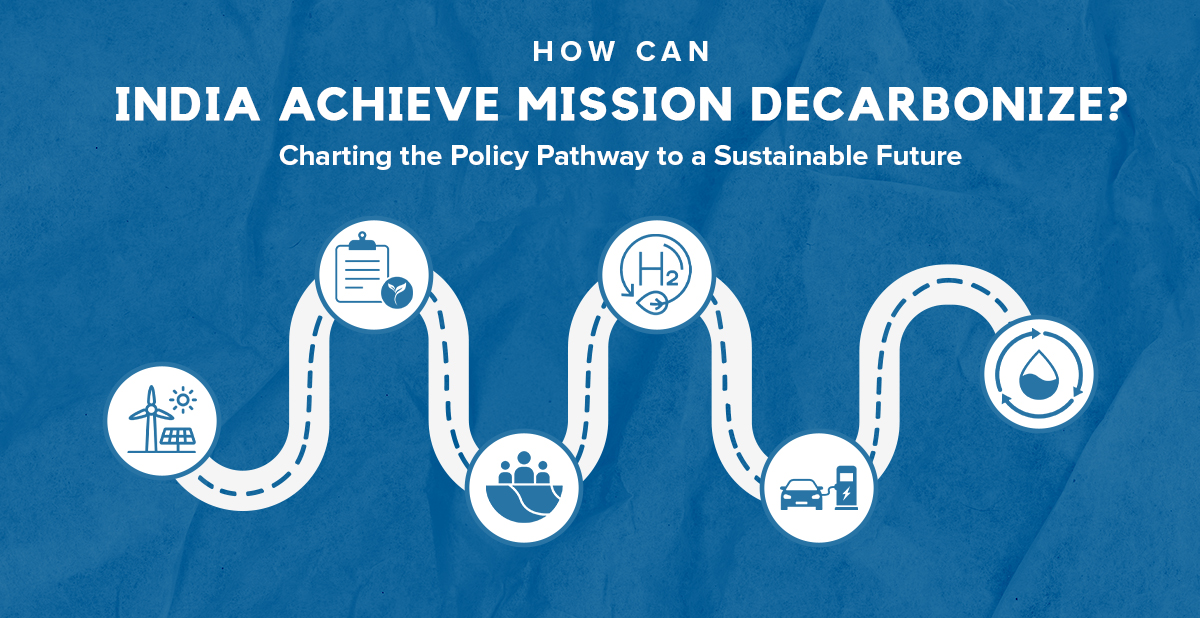
India is at the crossroads of its developmental paradigm shift where the question of sustainability is emerging. Being the third largest emitter of greenhouse gases in the world, this huge nation is in a tricky position with the responsibility to provide for its economy and take care of the environment. Known commonly as “Mission Decarbonize India,” the Government of India has launched several programs to cut carbon emissions and promote renewable energy. For a cleaner environment, this mission has laid out a strategic policy framework.
Understanding The Context
With rapid industrialization and urbanization, India is consuming more energy and emitting more carbon. For India to reduce the impacts of climate change and align itself with the global goals in tackling climate change and meeting its pledges including but not limited to the Paris Agreement, it needs to de-carbonize with “Mission Decarbonize India”. This involves changes in policy reforms, innovation, and the societal level.
Key Policy Initiatives
National Action Plan on Climate Change (NAPCC)
NAPCC created in 2008, is India’s new strategy to combat climate change through eight national missions, each focusing on renewable energy, energy efficiency, sustainable agriculture, and water conservation. These missions constitute the core framework of India’s decarbonization strategy.
National Mission for Enhanced Energy Efficiency (NMEEE)
This mission is to stimulate energy efficiency improvement through market instruments. Perform, Achieve, and Trade (PAT) is a program under NMEEE that sets energy efficiency targets for businesses and allows them to trade certificates that save energy. PAT has saved approximately 31 million tonnes of CO2 since its inception.
National Solar Mission (NSM)
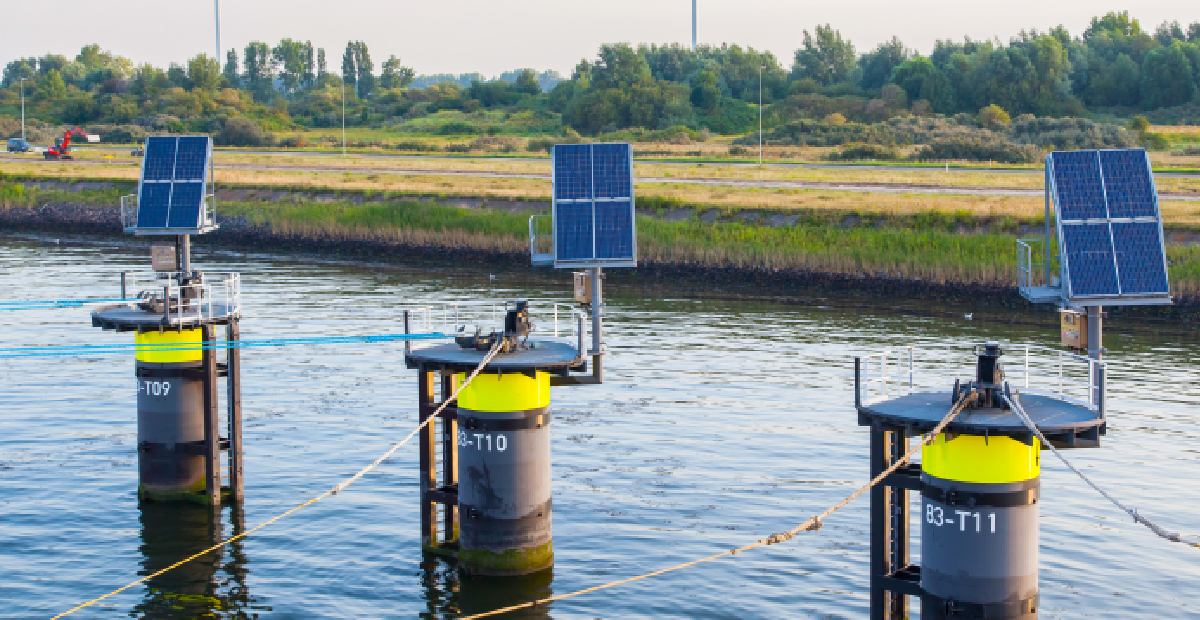
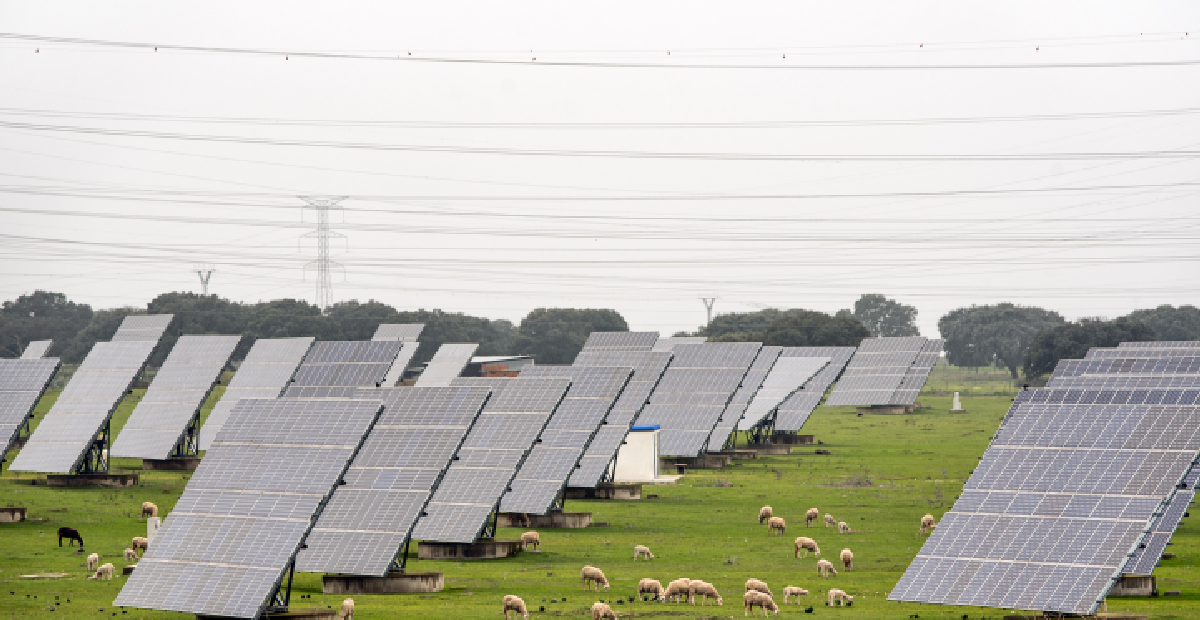
The NSM intends to make India a world power in solar energy by popularizing it among its people. It has been extended to 280 GW by 2030 from 100 GW by 2022. With over 61 GW of solar capacity already installed in 2023, India is well on its way to reaching the 2030 target for solar energy.
National Electric Mobility Mission Plan (NEMMP)
With the NEMMP, the transportation sector’s emissions and dependence on fossil fuels will be reduced. By providing incentives for electric vehicle purchases, the Faster Adoption and Manufacturing of Hybrid and Electric Vehicles (FAME) scheme supports this mission. In 2024, the scheme is expected to have 1 million electric vehicles on Indian roads, reducing CO2 emissions by 2 million tonnes.
Green Hydrogen Mission
With the Green Hydrogen Mission, we aim to promote the production and use of green hydrogen, produced from renewable energy sources. In industries like transportation and industry, this initiative can reduce carbon emissions significantly. The circa-2030 target of green hydrogen production set at 5 Mt per year could offset approximately 50 Mt CO₂ per year.
Strategic Policy Pathways
Legislative and Regulatory Framework
A stronger environmental policy needs to be aligned with global standards, and penalties should be imposed for not following it. It’s also important to have frameworks for renewable energy investments and innovations.
Investment in Renewable Energy
It is crucial to increase public and private investments in renewable energy projects. Grants, tax provisions, and other subsidies are included in this. For this reason, successful public-private partnerships can be key to transforming relevant technologies at a large scale. In the next ten years, India hopes to invest $200 billion in renewable energy projects.
Public Awareness and Education
Increasing public understanding of the need to decarbonise and implement more sustainable measures is also crucial. Awareness through school-based educational programs, public campaigns, and local partnerships can change the community and society’s culture. According to surveys, over 70% of Indians support stronger environmental regulations.
Research and Development
For innovation to thrive, we need to encourage research and development in clean technologies. By setting up dedicated research centers and funding academic and industrial research, we can progress in renewable energy. A $1 billion commitment has been made by the government to R&D in clean energy.
International Collaboration
Among the major strategies for improving the health of people in another country or an international organization is the ability to share knowledge, technology and practices. It is recommended that India engage in multilateral climate negotiations and source funds for its decarbonization strategy from global polity. India has agreed to join other countries in over 120-members strong International Solar Alliance to showcase international cooperation.
Challenges & Opportunities
Despite shifting to decarbonization, several issues need to be addressed. A few are the high cost of renewable energy, infrastructure constraints, and resistance from traditional energy companies. But these are the challenges that come with potentials for new jobs, innovations and induced development in new green industries. It is estimated that by 2030, over 1 million jobs will be created in the renewable energy sector alone.
Conclusion
Mission Decarbonize India is rather actionable and plausible. India can, and must, lead the way to a sustainable future through the formulation of strategic policy pathways that encourage innovation, and the active participation of the public. Such a commitment to decarbonization not only reduces climate change’s negative impact but also promotes sustainable economic and environmental growth. India can attain its pledged climate targets along with making a meaningful impact towards global climate change management.
To sum up, India’s plan to transition to a sustainable economy entails strategic policies, investments and multilateral cooperation to improve the well-being of its people and the inhabitants of the entire planet.