Synopsis
Industrial solar rooftop systems together with industrial solar power plants serve as fundamental components for sustainable manufacturing operations throughout the world. The combination of increasing energy expenses and environmental regulations and corporate responsibility needs makes solar energy an effective and profitable solution for industries. Industrial solar rooftop arrays allow businesses to convert unutilized roof areas into clean power generation systems which decreases their dependence on the grid while lowering operational costs. Industrial solar power plants generate large amounts of stable power for high-demand facilities through advanced monitoring and energy management systems. Industrial solar projects play a crucial role in helping companies achieve their renewable energy targets and fulfill their ESG commitments. Industrial solar solutions integrated into production facilities and warehouses and logistics hubs reduce greenhouse gas emissions while providing stable long-term energy costs. This blog investigates industrial solar setup technology alongside cost analysis and return on investment and worldwide adoption patterns. The blog analyzes how policy incentives together with financing models and technological advancements make industrial solar rooftop and industrial solar power plants vital for energy-intensive sectors that want to excel in both profitability and sustainability.
Table of Contents
The Rise of Industrial Solar Energy Solutions
The integration of industrial solar rooftop systems and industrial solar power plants has revolutionized how industries produce energy because operational efficiency and sustainability have become essential in modern times. Industrial facilities with their high energy consumption and expansive roof areas make them perfect candidates for large-scale solar adoption. The transition to renewable energy sources has evolved from an environmental necessity into a strategic business approach which supports both energy security and cost optimization objectives.
Benefits of Industrial Solar Rooftop Installations
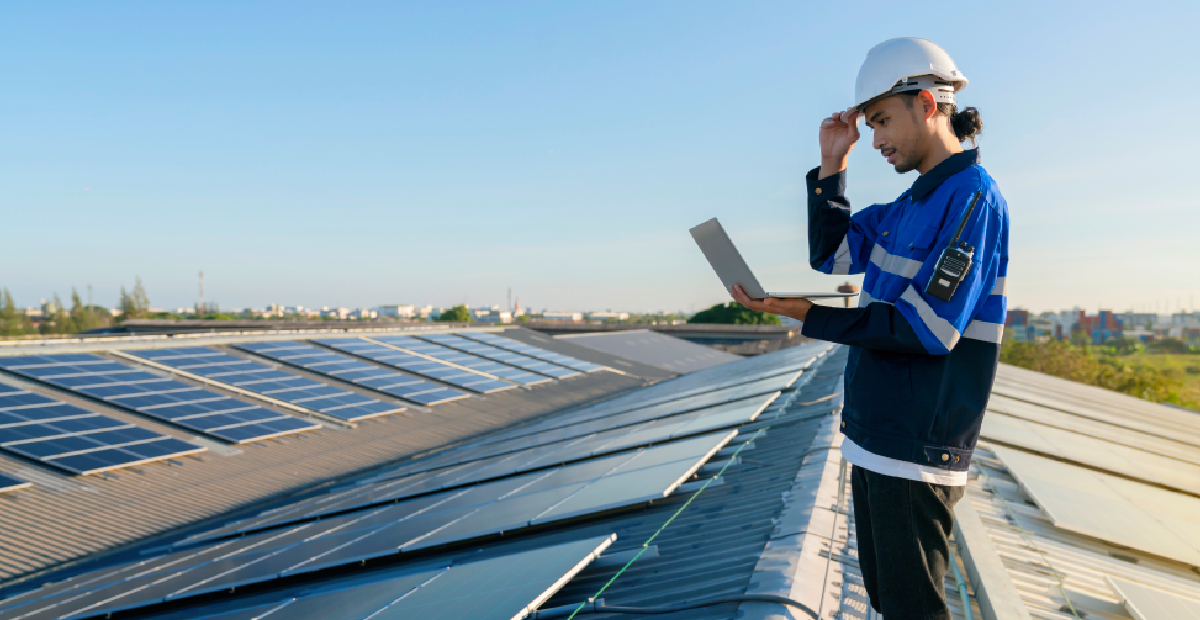
Industrial solar rooftop installations enable factories and large commercial buildings to convert their unused roof space into energy-producing assets.
Key benefits include:
- Significant reduction in electricity bills
- Minimal transmission losses due to on-site generation
- Enhanced corporate image through visible sustainability efforts
Compliance with renewable energy mandates
The self-consumption model provides businesses with stable and predictable energy expenses throughout time.
Large-Scale Industrial Solar Power Plants – Meeting High Energy Demand
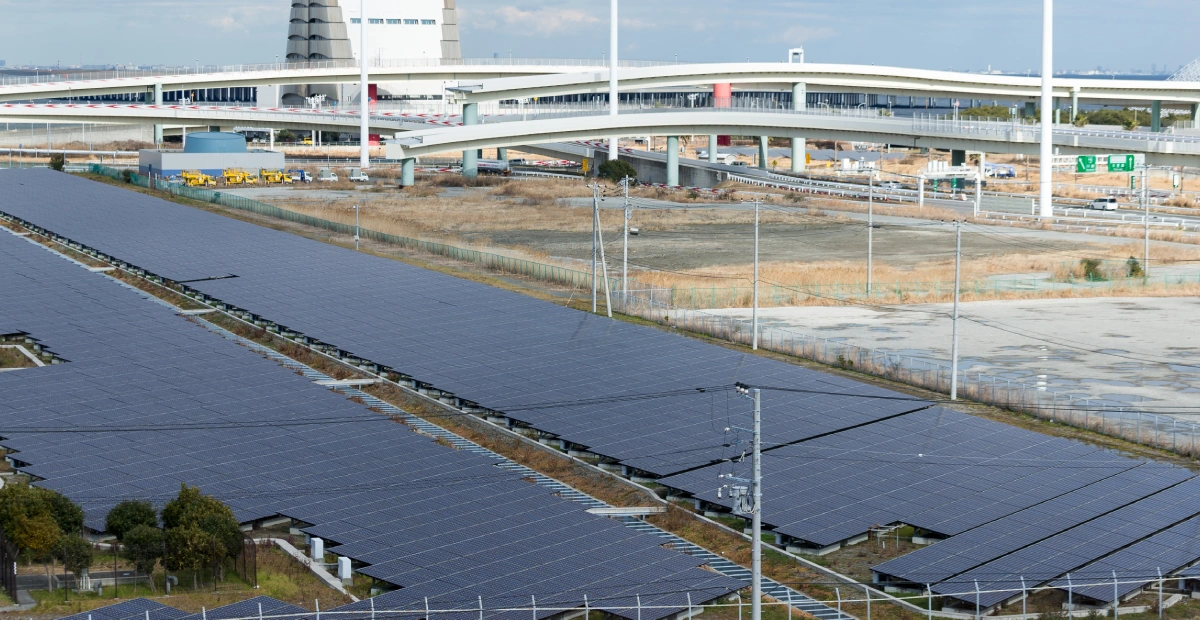
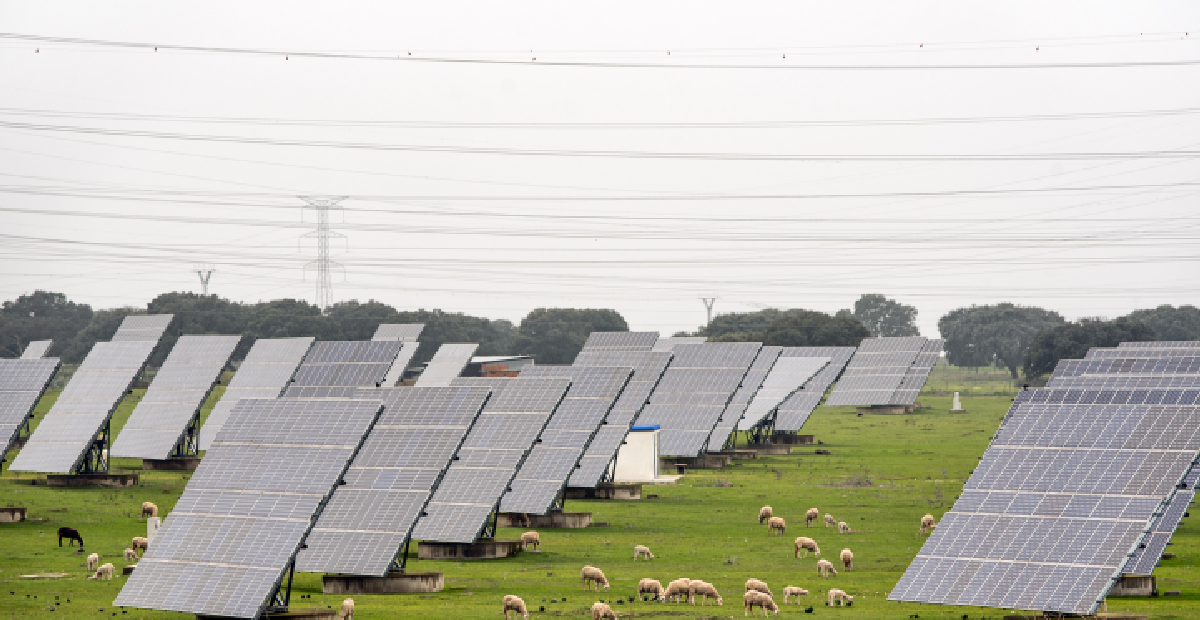
Industrial solar power plants operate at high capacity levels to serve energy-intensive sectors including steel production and cement manufacturing as well as chemical and textile operations. The installation of solar arrays on nearby land or industrial facilities enables these projects to decrease their dependence on the grid while protecting operations from unpredictable electricity costs. The projects can sell their excess energy to the grid through net metering or open access models.
Technical Aspects and Design Considerations
The implementation of industrial solar rooftop systems and industrial solar power plants demands detailed planning to achieve maximum performance. The success of these systems depends on four essential factors which include panel orientation and structural load capacity and dust management and integration with existing electrical systems. Real-time monitoring tools track generation and performance metrics in real time and hybrid systems combine solar power with storage systems to provide continuous electricity supply.
Cost Analysis and Return on Investment
The installation expenses for industrial solar rooftop systems have decreased substantially because of photovoltaic technology progress and large-scale production methods. Industrial-scale installations often achieve payback in 4–6 years, with continued savings thereafter. Industrial solar power plants require significant initial costs but generate equivalent financial returns through tax benefits and subsidies and renewable energy certificates.
Global Trends and Market Drivers
The industrial sector worldwide is experiencing an increasing transition toward renewable energy systems. Manufacturing nations that have robust industrial operations are implementing solar power systems in their industrial areas to enhance their market position and fulfill worldwide sustainability requirements. The trend gains support from investors who want sustainable supply chains and customers who seek products made responsibly.
Policy and Incentives Supporting Industrial Solar
The Indian government together with numerous other nations implements policies which promote industrial solar rooftop adoption and industrial solar power plant implementation. Solar power becomes more attractive to industries of all scales because of central and state-level incentives and accelerated depreciation and open access policies.
FAQs
What is an industrial solar rooftop system?
The installation of solar energy systems on factory and large commercial building rooftops produces electricity which decreases dependence on the power grid.
How does an industrial solar power plant differ from a rooftop system?
Industrial solar rooftop systems operate from building roofs yet industrial solar power plants exist as ground-based installations which serve larger energy requirements.
What is the ROI for industrial solar projects?
Industrial solar rooftop installations need 4–6 years to break even but industrial solar power plants with larger capacities require additional time based on their size and location.
Can industrial solar systems operate during power outages?
Industrial solar rooftop systems and industrial solar power plants can supply power during outages through the use of battery storage or hybrid systems.
Are there government incentives for industrial solar adoption?
Government programs include subsidies together with tax benefits and open access policies which promote industrial solar rooftop and industrial solar power plant adoption.