Synopsis
The industrial backbone of India consists of Micro, Small, and Medium Enterprises (MSMEs) yet these businesses face challenges from high electricity expenses and unstable power supply. This blog investigates how rooftop solar installations function as a strategic energy solution for MSMEs by reducing operational costs and boosting productivity and achieving energy independence.
The article demonstrates how commercial solar rooftop systems work well for manufacturing units as well as cold storage facilities and textile mills and small-scale workshops and agro-processing plants. The article presents different rooftop installation models including CAPEX, RESCO and leasing while providing MSMEs with guidance to select the most appropriate system according to their space requirements and load needs and financial situation.
The article examines energy savings projections through a 100 kW rooftop plant example which demonstrates annual savings in lakhs while presenting real-world MSME success stories from Gujarat and Tamil Nadu states. The article explains how subsidy schemes together with soft loans and net metering benefits enhance the return on investment.
This article provides practical information to factory owners and SME promoters and energy-conscious entrepreneurs who want to implement solar solutions for their businesses. The article connects the knowledge gap between ambition and implementation through simplified solar transition steps for small industries across India.
Table of Contents
Introduction – MSMEs and the Need for Affordable Power
The Cost Burden of Electricity on Small Industries
Indian MSMEs experience excessive energy expenses because they use diesel generators to address power supply interruptions. Rooftop solar systems for MSMEs provide both financial savings and environmental benefits which directly affect profitability and decrease carbon emissions.
Benefits of Rooftop Solar for MSMEs
Beyond Savings – Reliability and Self-Sufficiency
The implementation of solar energy systems for small industries decreases their need for grid power and enhances their power supply stability. The system prevents production interruptions and enables sustainable business operations which support worldwide ESG objectives.
Choosing the Right Commercial Solar Rooftop System
RESCO, CAPEX or Lease – What Fits Your Business?
MSMEs can choose from various ownership and financing models. CAPEX offers high returns, RESCO eliminates upfront costs, and leasing allows scalability. Each option caters to different financial structures and business sizes.
Cost Analysis and ROI for MSME Solar Projects
Payback in 3–5 Years with Long-Term Gains
The price of commercial solar energy has experienced substantial reduction. A 100 kW system costs approximately ₹45–50 lakh and can save ₹10–12 lakh per year. Net metering accelerates ROI and ensures stable energy costs.
Financing and Government Incentives for MSMEs
Unlocking Solar Through Policy Support
The Ministry of MSME provides capital subsidies together with credit-linked subsidies. Banks and NBFCs provide solar-specific SME loans and DISCOMs enable net metering and grid connectivity which shortens bureaucratic procedures.
Operational Ease and Long-Term Savings
Set-and-Forget: Maintenance-Free Solar Systems
The current generation of small-scale solar power systems need only occasional maintenance and provide remote monitoring capabilities. MSMEs benefit from reliable power supply and extended O&M contracts minimize their concerns about maintenance requirements and efficiency degradation.
Future Outlook: Scaling Solar Adoption in Small Industry
The Sun as a Strategic Business Asset
India’s 63 million MSMEs can drive the next leap in solar growth. The upcoming decade will see rooftop solar become a mandatory feature for small business infrastructure because of increasing electricity costs and ESG mandates
FAQs
Why is rooftop solar ideal for MSMEs?
The implementation of rooftop solar power systems by MSMEs results in reduced electricity expenses and dependable power supply and increased operational efficiency. Small industries that use energy intensively can now access solar panels because of decreasing prices and simple financing options.
What is the ROI for a commercial solar rooftop system?
The investment period for MSMEs to recover their costs usually spans between 3 to 5 years. A 100 kW solar system generates annual savings between ₹8–12 lakh which leads to better profit margins and extended market competitiveness.
The government provides incentives to MSMEs who choose to install solar power systems.
The Ministry of MSME offers capital subsidies to businesses while multiple states provide net metering services and grid support and soft loan programs. The incentives help decrease the initial expenses.
A solar installation requires what amount of rooftop space?
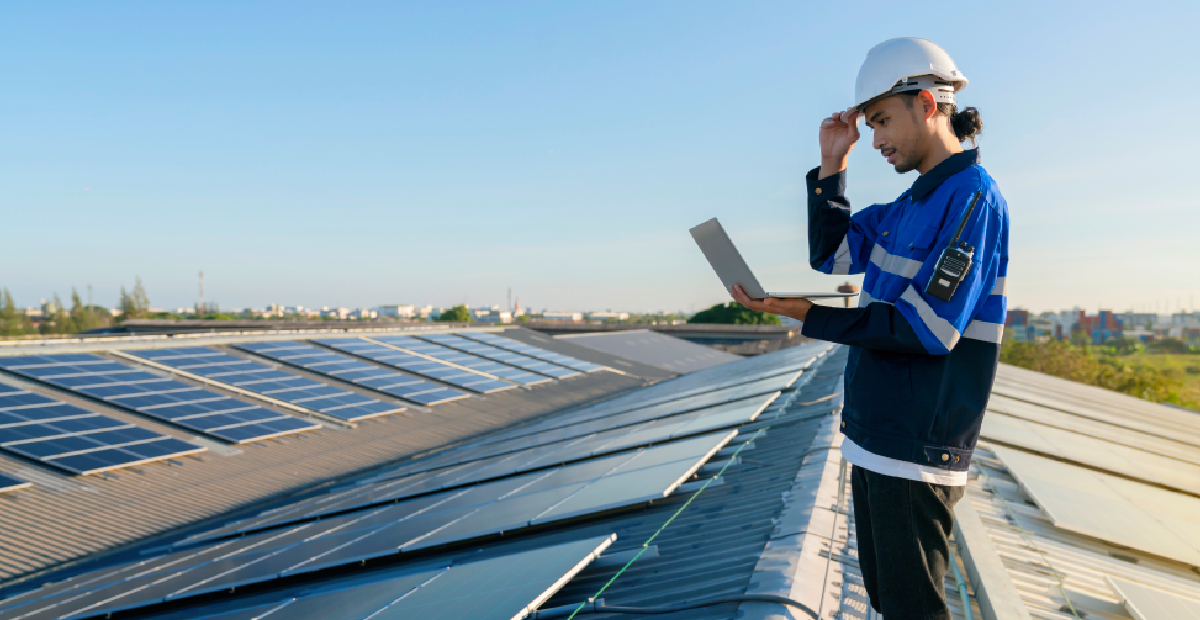
A solar power system requires 100 square feet of rooftop space for every kilowatt of installed capacity. A 100 kW solar system requires 10,000 square feet of rooftop space which matches the dimensions of many industrial facilities.
Can MSMEs implement solar power installations even when they do not own their building space.
The RESCO model and solar leasing programs enable tenants to access solar energy benefits despite their rental status. The agreement of property owners enables businesses to adopt solar power without capital expenses through flexible terms.