Synopsis
The blog investigates the obstacles and possibilities for India to construct solar infrastructure to reach its clean energy targets. The blog analyzes how changes in energy policy together with land-acquisition challenges and state-level coordination influence the execution of major solar power projects. The blog describes how policy frameworks that include viability-gap funding and domestic manufacturing support and DISCOM reforms influence the speed and success of solar power plant installation across India. The blog explains why solar power needs integration with grid infrastructure and how private and public sector involvement impacts the sustainability of solar infrastructure. The blog demonstrates how solar power plant manufacturers and EPC companies work together to boost capacity while maintaining operational efficiency and product quality. The blog develops a strategic plan to achieve clean-energy targets by analyzing existing obstacles and building solutions for regulatory, financial and logistical challenges.
Table of Contents
India’s 500 GW Target—Why Scale Matters
India’s ambition to deploy 500 GW of non-fossil capacity by 2030 requires adding roughly 300 GW of solar in just six years. Installed solar capacity stood at 105.65 GW after FY 2024, following a record 23.8 GW addition in a single year
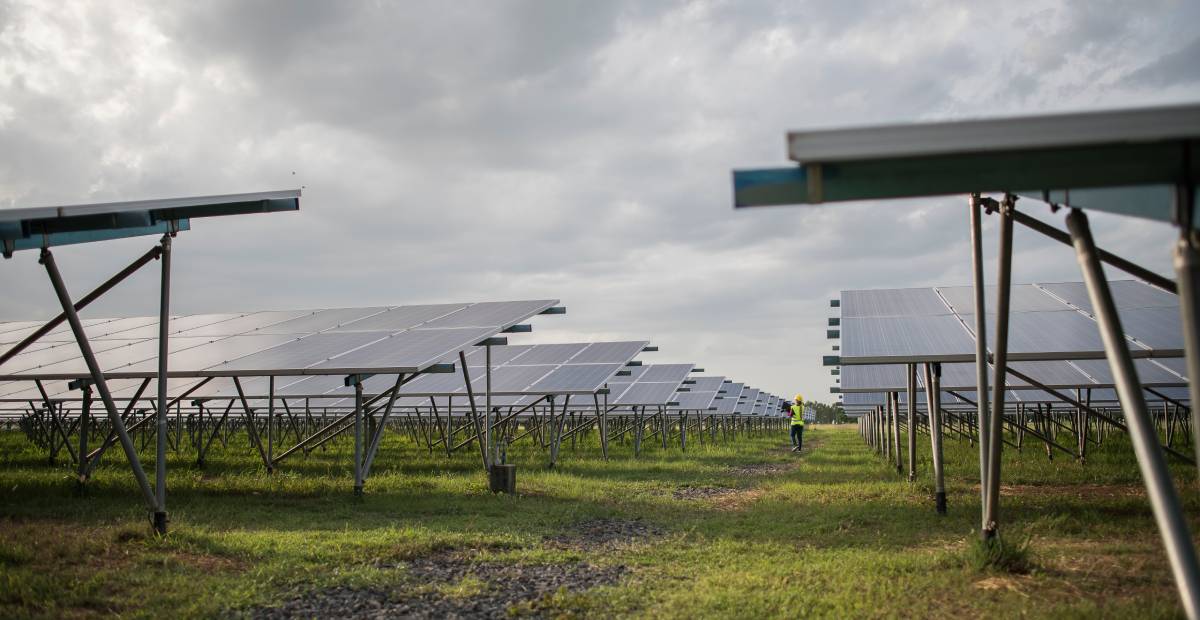
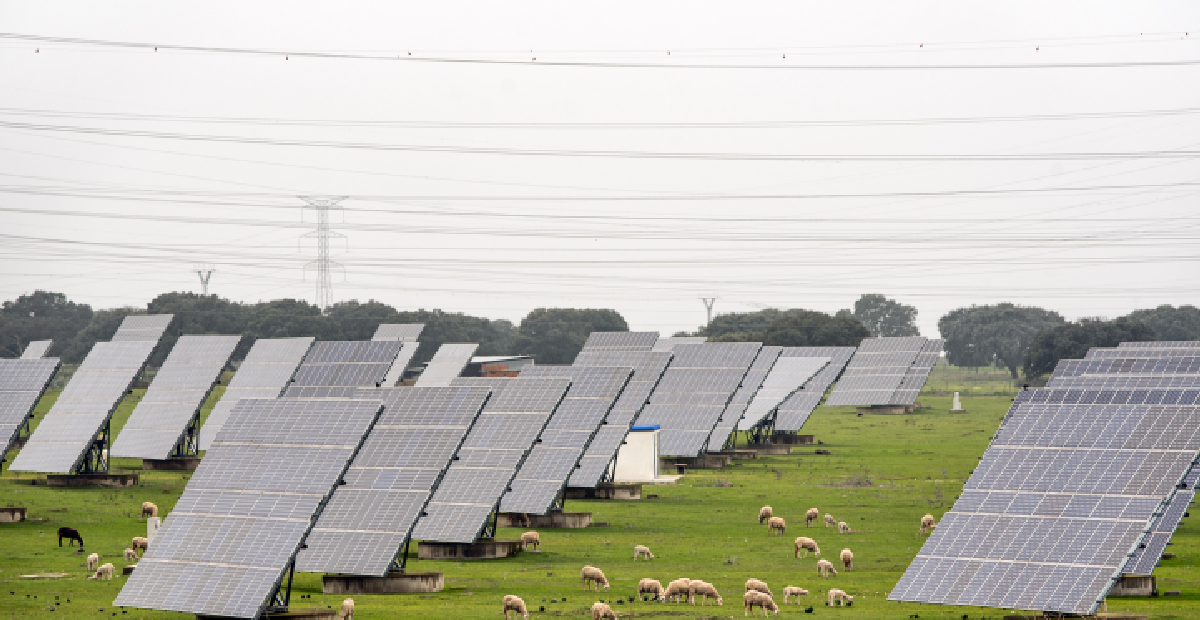
The gap requires strong solar infrastructure together with quick solar power plant installation and efficient utility-scale solar power projects execution across multiple states. The current pace of annual additions needs to increase more than double without structural reforms which would create simultaneous pressure on policy systems and grid infrastructure and land management systems.
Policy Milestones Driving Clean-Energy Momentum
The recent clean energy policy changes have enhanced the bankability of solar projects. The Green Energy Open Access Rules provide clear definitions of open-access charges and banking provisions which attract captive and commercial buyers. The Production-Linked Incentive (PLI) tranches worth ₹24,000 crore support domestic solar power plant manufacturers to create a pipeline of high-efficiency modules. These interventions create investor confidence and reduce procurement timelines which accelerates the installation of solar power plants in industrial clusters and solar parks.
Land Acquisition and State Coordination Hurdles
The implementation of land bottlenecks extends the duration of solar power projects by six to twelve months. The implementation of GIS-tagged solar zones and single-window clearance portals in Maharashtra’s Dhule solar park has reduced approval times by 40% based on state-level project data. The implementation of standardized land conversion rules and digital land record systems across the nation would significantly enhance solar infrastructure readiness which enables EPC contractors to start construction earlier and achieve commissioning deadlines.
Viability-Gap Funding and Domestic Manufacturing Push
The government increased battery Viability-Gap Funding (VGF) support to 13.2 GWh to expand storage-ready capacity while covering up to 40 % of capex. The latest 4 GWh BESS tender from SECI demonstrates their plan to couple large-scale solar power with storage systems for grid stability purposes. The PLI domestic content rules provide solar power plant manufacturers with stable market expectations which reduces foreign exchange risks while promoting complete module production lines.
Grid Integration: Curtailment vs Flexibility
High-penetration states experience 3-5% curtailment rates because transformer capacity does not keep pace with growing generation output. The Revamped Distribution Sector Scheme (RDSS) dedicates ₹3.3 trillion to feeder upgrades and smart meters which will reduce AT&C losses and enhance scheduling capabilities. The combination of flexible transmission corridors with day-ahead markets and demand-response programs minimizes the risk of curtailment for new solar power projects so scheduled generation can reach the grid.
EPC Excellence and Quality Assurance
The success of timely delivery depends on EPC firms that have experienced personnel to manage design and procurement and civil works without any delays. Standardised BoS components and BIS-certified modules protect system reliability and keep O&M costs low. The close collaboration between solar power plant manufacturers and EPC teams ensures that projects deliver quality output while fulfilling strict performance warranties which are essential for debt service coverage and investor confidence.
Systemic Reform for Rapid Solar Scale-Up
The achievement of long-term success depends on ministries and state nodal agencies working in harmony with financiers and communities. The implementation of uniform grid charges together with standard PPAs and accelerated dispute-resolution mechanisms will create transparent project pipelines. The analysts forecast that India needs to spend approximately US$223 billion on transmission infrastructure during the next decade to support variable renewable energy integration. Systemic collaboration enables clean energy policy reforms to become actual on-ground capacity which closes the execution gap.
SunShell Power’s Role in National Scale-Up
SunShell provides complete behind-the-meter decentralized solar power plant solutions through its integrated site assessment and customized system design and on-premises grid interconnection services. The company installs solar power plant manufacturer-backed systems directly at consumption points including residential and commercial and industrial rooftops to provide reliable self-sufficient power without central generation needs. Our local approval expertise and state-level coordination capabilities enable smooth deployment and ongoing operational stability during market volatility.
SunShell’s Value Proposition
-
The high-efficiency design produces lower Levelised Cost of Energy (LCOE).
-
The digitized project management system enables quick installation of solar power plants.
-
The system uses advanced SCADA and predictive analytics to achieve uptime above 99%.
-
The in-house land and permitting team helps to resolve bottlenecks in solar infrastructure development.
SunShell Power provides reliable assets and superior returns for utility-scale solar power projects which enables stakeholders to achieve long-term value in India’s clean-energy ecosystem.
FAQs
What policies currently support utility-scale solar growth in India?
National Solar Mission targets, PLI for module manufacturing, and Green Energy Open Access Rules underpin utility-scale development by lowering capex and improving market access.
How does land acquisition affect solar project timelines?
Delays in land conversion and clearances can extend project schedules by months; states with digitised land banks and single-window portals accelerate approvals.
Why is grid modernisation critical for large solar additions?
Upgraded substations and flexible transmission mitigate curtailment, ensuring generated solar energy is delivered to demand centres without loss.
How do domestic manufacturers influence project bankability?
Local supply chains reduce import reliance, allow faster module replacement, and satisfy PLI compliance—key for lenders assessing project risk.
What makes SunShell Power a reliable partner for solar infrastructure?
Integrated EPC execution, policy fluency, and partnerships with leading solar power plant manufacturers enable SunShell to deliver high-performing assets at pace.