Synopsis
The blog examines how smart technologies transform industrial solar power plants by improving their energy-management systems and operational performance. IoT devices together with AI analytics and solar tracking system projects optimize output while reducing stoppages. The system demonstrates how real-time monitoring together with predictive maintenance and automation platforms handle extensive industrial solar rooftop portfolios. The established methods for integrating solar-hybrid assets with factory operations enable smooth grid synchronization and prevent instability. The ROI models demonstrate how productivity increases through reduced outages and decreased diesel consumption. The modern industrial solar power plant case studies demonstrate how solar adoption in manufacturing hubs evolved from being a compliance requirement to a strategic approach which provides EPCs and plant heads and energy managers with practical methods to expand intelligent solutions.
Table of Contents
Industrial Solar 2.0 – Digital Transformation Drivers
Industrial users now seek more than inexpensive power because they need complete intelligent control of every industrial solar power plant asset. The market research indicates that IoT telemetry systems are now included in 75% of new C&I solar projects during FY 2024-25 whereas they were only present in 22% of projects in 2020. Digitalisation enables plants to achieve ISO 50001 energy-management targets while developing dashboards that support sustainability reporting.
IoT Gateways and Edge Analytics in Real-Time Control
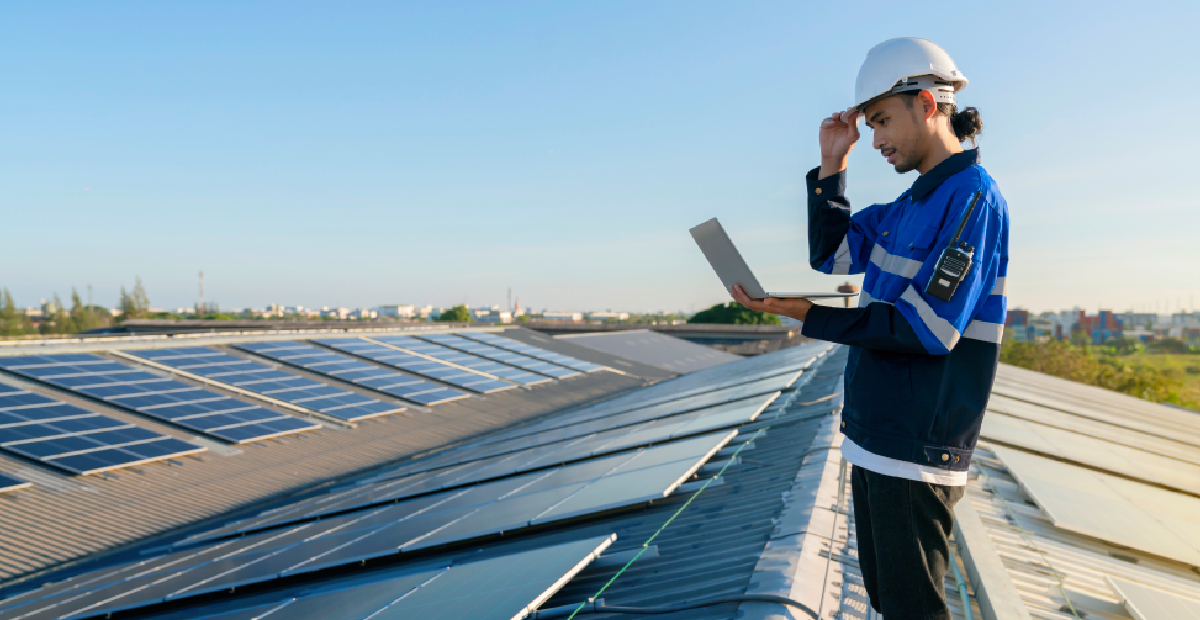
The IoT gateways transmit inverter data together with weather feeds and meter readings at sub-minute intervals. Edge analytics detect anomalies before they start affecting production operations. A 20 MW industrial solar rooftop at a textiles SEZ achieved a 2.8 % reduction in mismatch losses through the implementation of cloud-based analytics. Smart relays operate at millisecond speeds to divert or curtail PV export which allows process loads to maintain priority status while achieving maximum solar utilization.
AI-Based Predictive Maintenance: Downtime to Uptime
AI models trained on historical IV curves flag string degradation and soiling hotspots. Predictive algorithms reduce corrective maintenance visits by 30 % and boost annual energy yield by 2–3 %. Such gains over a 25-year period increase the net-present value of an industrial solar power plant by crores. Digital twins create detailed maps of all panels and combiners and SCBs which enables remote engineers to predict fault effects before sending maintenance crews.
Solar Tracking System Projects: Efficiency Gains
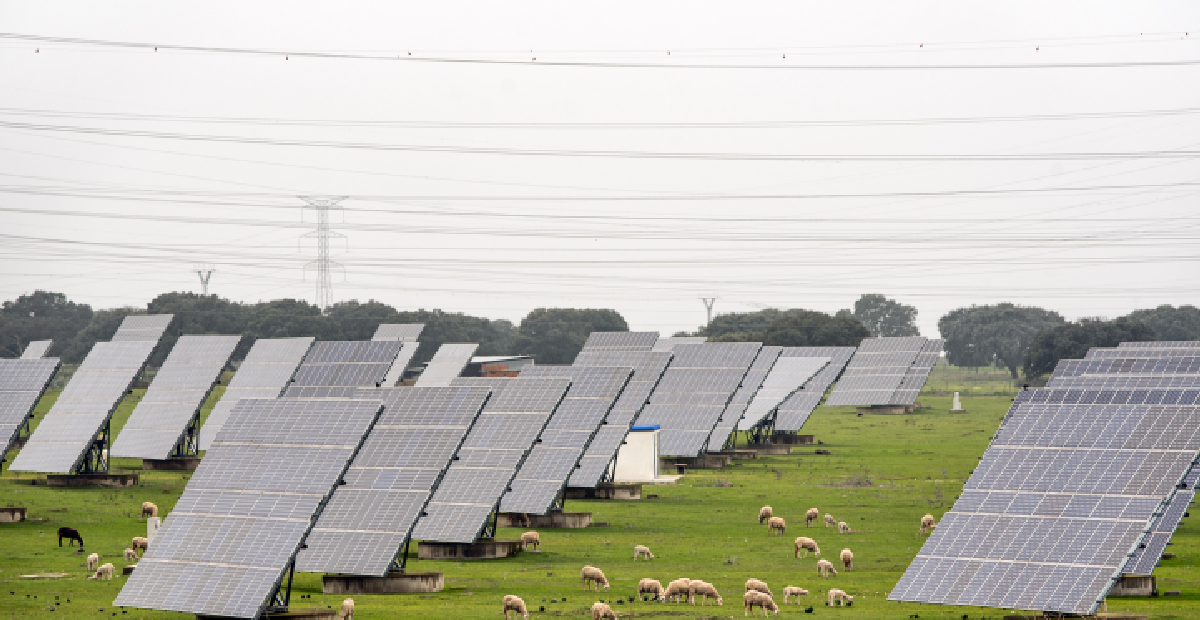
Single-axis and dual-axis solar sun tracking systems generate 18–25 % more power than fixed-tilt arrays especially when installed on land-constrained industrial campuses. Servo-motor analytics predict actuator fatigue, enabling proactive part replacement and preserving tracker uptime for thousands of panels. The flat output profile of trackers operating in solar hybrid power systems with battery storage decreases the stress on battery cycling.
Solar-Hybrid Integration: Grid, Diesel, and Storage
Industrial plants use rooftop arrays together with diesel gensets to provide power during nighttime operations. Smart controllers synchronize the operation of PV systems with gensets and battery systems. The implementation of hybrid microgrids reduces diesel operation time by 60% which results in annual savings of ₹6–8 lakh per MW. The automated changeover system stops critical motor tripping during grid voltage sag events.
ROI Modelling: From Energy Savings to Productivity
Traditional ROI examined only tariff arbitrage. Smart integration adds productivity metrics—downtime, maintenance labour, fuel logistics. A 5 MW industrial solar rooftop with AI monitoring and trackers shows a three-year simple payback versus five years for a basic system. The net present value increases when REC sales and carbon-credit revenues are added to the calculation.
Case Studies: Factories and Logistics Parks
The Pune auto-components plant implemented a 12 MW solar tracking system project with digital twin analytics which resulted in a 24 % improvement over fixed tilt and reduced inverter trips by half. The 4 MW solar hybrid power system at a Chennai logistics park includes 2 MWh BESS which enables the operation of cold-storage compressors during grid outages thus reducing diesel consumption by 70 %. The Gujarat chemical unit operates an industrial solar power plant that uses solar-powered surface pumps to circulate effluent treatment fluids thus saving ₹12 lakh annually in pump operational expenses.
SunShell Power: Delivering Smart Industrial Solar
SunShell engineers create IoT-enabled arrays through their work of integrating SCADA with ERP and implementing AI health algorithms that adapt to site-specific irradiance patterns. The tracker-optimised racking system from SunShell reduces shading effects on dense industrial solar rooftop installations and hybrid controllers enable smooth genset synchronisation. SunShell provides digital twin platform certification to staff members which maintains optimal performance of every solar sun tracking system.
SunShell’s Value Proposition
-
The digital-first EPC workflow decreases commissioning tasks by 12 %.
-
The Predictive O&M system maintains availability rates above 99 %.
-
The custom ROI dashboards combine tariff savings with productivity KPIs.
-
The integration of solar powered surface pumps with solar systems reduces water-handling expenses in process industries.
-
SunShell converts solar expenses from regulatory requirements into strategic business assets.
FAQs
How does IoT improve an industrial solar power plant?
IoT enables real-time data capture that feeds optimisation algorithms, improving generation and reducing unplanned downtime.
Are solar tracking system projects viable on rooftops?
Yes. Low-profile single-axis trackers suit large flat roofs, delivering 15-20 % extra yield without significant structural retrofits.
What is a solar hybrid power system for factories?
It blends PV, battery, and genset controls, ensuring power reliability and minimising diesel consumption during peak or outage periods.
How can predictive maintenance boost ROI?
By forecasting faults, predictive analytics prevent energy loss and lower repair costs, enhancing lifetime revenue.
Do solar powered surface pumps benefit industrial utilities?
They offset electrical loads for cooling-tower circulation or process water, reducing demand charges and carbon footprint.