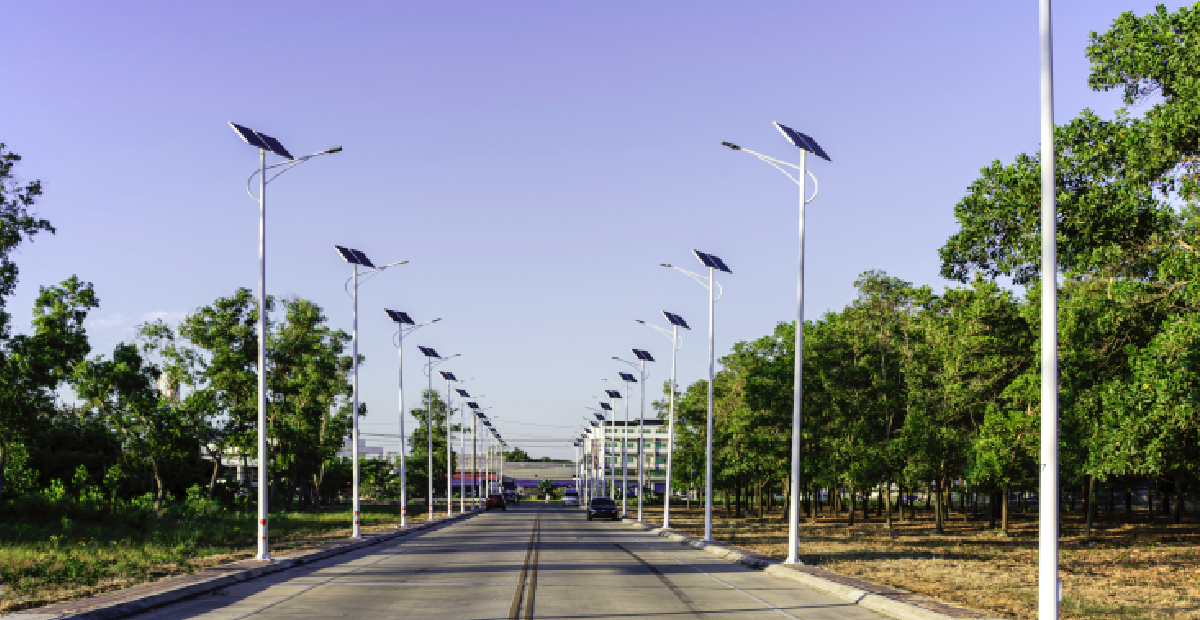
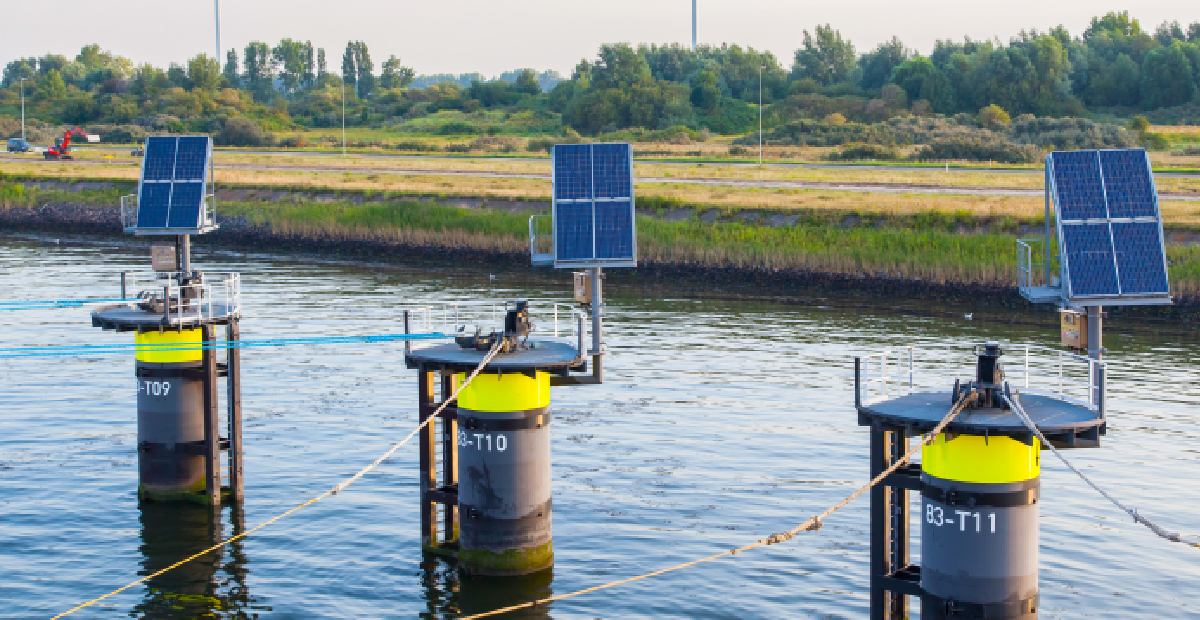
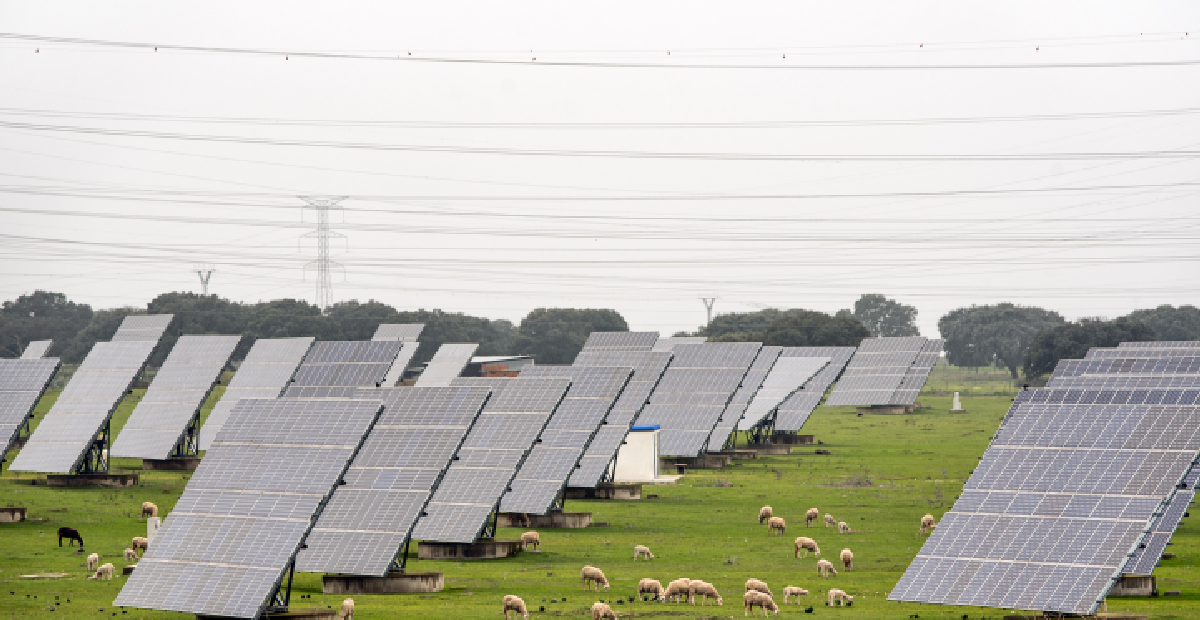
The idea of sunlight as a source of energy came about during the industrial eras. India has a huge potential for solar energy. Geographically speaking, India is a prime location for solar power. We have 300 days of sunshine, a seasonal peak in the summer, and our peak power demand occurs in the evening rather than during the day (driven by cooling needs). Additionally, this is when solar energy is most abundant.
The most plentiful source of energy is solar energy, which may even be used under cloudy conditions. The rate at which the Earth absorbs solar energy is around 10,000 times higher than the rate at which people use energy. For a wide range of applications, solar systems can provide heat, cooling, natural lighting, power, and fuels. Solar technologies can use photovoltaic panels or solar radiation-concentrating mirrors to turn sunlight into electrical energy.
India’s Solar Energy Potential
India has a huge potential for solar energy. India’s geographical surface receives around 5,000 trillion kWh of incident energy annually, with the majority of areas receiving 4–7 kWh per square meter each day. The amount of solar energy produced in a single year is greater than the total amount of fossil fuel energy reserves in India combined.
According to the present, commercially viable technology, the average daily solar power plant output capacity in India is 0.30 kWh per m2 of usable land area, which translates to 1,400–1,800 peak (rated) capacity operating hours per year.
Solar photovoltaic power can be efficiently harnessed in India, offering enormous scalability. Additionally, solar energy offers the option of distributed power generation and permits quick capacity expansion with minimal lead periods. From the perspective of rural electrification and satisfying other energy needs for power, heating, and cooling in both rural and urban locations, off-grid decentralized and low-temperature applications will be desirable.
Solar is the most secure source of energy from a security of supply standpoint because it is widely accessible. Theoretically, only a small portion of the total incident solar energy can meet the entire country’s requirements.
In the last few years, solar energy has made a noticeable difference in the Indian energy landscape. Millions of people in Indian communities have profited from solar energy-based decentralized and distributed applications by having their lighting, cooking, and other energy needs met in an eco-friendly way.
The reduction of drudgery among rural women and girls who collect fuel wood over long distances and cook in smoky kitchens, reduction of the risk of lung and eye diseases, creation of jobs in the village, and ultimately an improvement in the standard of living and creation of opportunity are some of the social and economic benefits.
Schemes Launched by The Government of India
The government of India has launched various schemes to encourage the generation of solar power in the country like the Solar Park Scheme, VGF Schemes, CPSU Scheme, Defence Scheme, Canal bank & Canal top Scheme, Bundling Scheme, Grid Connected Solar Rooftop Scheme, etc.
Solar is the most prevalent renewable, making up 34% of all installed renewable capacity and 13.22% of India’s total installed power capacity in the first quarter of 2022. In comparison to the 3.2 GW installed in 2020, India erected a record 10 GW of new solar capacity in 2021, a significant increase of 210% year-over-year (YoY).
As of 28 February 2021, the nation’s installed solar power capacity—which includes both ground and roof-mounted plants—was 39,083 MW. From April 2020 to March 2021, solar electricity production climbed to 60.4 terawatt-hours (TWh) from 50.1 TWh over the same period in 2019.
Energy Produced by Solar and Coal
We are unable to regularly replace coal because of the process used to produce it. Solar energy, on the other hand, derives from the sun. We will have access to solar power as long as the sun is out. To harness the energy that is freely offered, we offer the tools and equipment. Our earth exclusively experiences the effects of the sun’s energy-generating processes through sunlight; no noxious pollutants are burned off, no underground tunnels are mined, etc. Except for helping to keep us warm and preserve the life of the plants and animals, solar electricity is clean and has no negative effects on the environment. On the other side, coal can have a very detrimental effect on our environment as burning it increases the amount of CO2 that we in the air around us.
Because they already exist, it may be more convenient and perhaps simpler to utilize the outdated coal power plants that we have always used, but let’s not discount the long-term advantages of switching to solar energy. With solar energy, we have a more sustainable source of energy that is endless. At least not until the sun rises; but, that won’t happen anytime soon, and even then, there are more important issues to be concerned about. With solar energy installed, we will have a more reasonably priced, reusable source of energy that is always available.
India has an installed solar power capacity of 45611.91 MW or around 11.8% of the total installed capacity. The installed capacity of coal, on the other hand, is roughly 52.1%. India has a large number of solar energy resources available, with a potential of 5000 trillion kWh of energy per year and about 300 clear days each year.
The Bottom Line
Any nation’s economic progress depends heavily on its usage of solar energy. A country that makes use of its solar energy benefits much as a whole.
Reduction in the price of power, excellent return on investment, increase in your property’s worth, create jobs to strengthen the local economy and the Government also provide a lot of assistance.
The opportunities provided by solar energy are virtually endless, and India, with its enormous energy demand, must carefully consider all of its alternatives. In the context of the current energy crisis, solar energy, like many other renewable methods of electricity production, happens to be more dependable. They can offer a superior method if there is no interruption in their supply.