Synopsis
As India rapidly modernises its transportation infrastructure, solar power is emerging as a cornerstone of sustainable development across train stations and airports. This blog explores how solarising transport hubs can cut operational energy costs, reduce carbon footprints, and establish India’s leadership in green transit solutions.
The article highlights successful solar airport models like Cochin International Airport—the world’s first to run entirely on solar power—and how Indian Railways is aggressively adopting solar across its assets, targeting 20 GW of solar energy by 2030. It explores how solar rooftop systems, solar canopies over parking lots, and canal-top solar installations along railway corridors are now mainstream infrastructure innovations.
The blog also explains how these systems are integrated into high-demand, 24×7 transport operations through hybrid systems and grid synchronisation. A cost-benefit analysis reveals how investment in solar projects at airports and stations contributes to significant long-term savings while strengthening public sector ESG credentials.
For government planners, infrastructure developers, and EPC firms, this blog outlines scalable models for implementing solar at transport hubs. It also examines key policy incentives that support solar adoption in the public transport sector and provides real-world insights into energy-efficient mobility infrastructure.
Table of Contents
Introduction – Transport Hubs as Energy-Intensive Zones
Harnessing the Sun to Power India’s Transit Future
Transport hubs—airports and railway stations—consume large amounts of energy due to lighting, air conditioning, and auxiliary services. The transition to solar power enables the reduction of non-renewable energy consumption while ensuring that infrastructure development supports environmental sustainability targets.
Solar Airports: The Cochin Success Story
First Fully Solar-Powered Airport in the World
Cochin International Airport in Kerala achieved worldwide recognition through its operation as the first airport to run solely on solar power. The airport demonstrates airport potential to generate more energy than it consumes through its 12 MW solar plant and solar carport systems which maintain operational functionality.
Railway Solar Projects: Vision and Execution
Solarising India’s Tracks and Stations
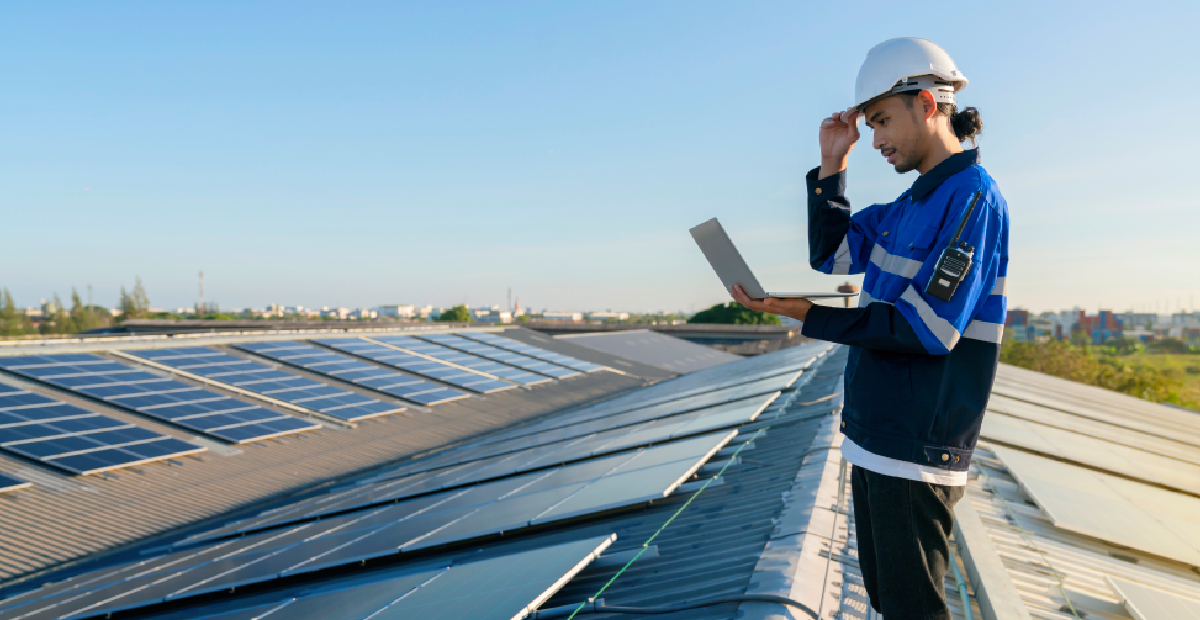
Indian Railways aims to establish 20 GW of solar power capacity throughout the country by 2030 through rooftop installations and vacant land development and trackside installations. The Indian Railways has already installed rooftop solar systems at more than 1,000 stations and operates large ground-based solar power plants to supply electricity for rail operations in Madhya Pradesh and Haryana states.
Solar Infrastructure Types for Transit Hubs
Rooftops, Canopies, and Canal-Top Systems
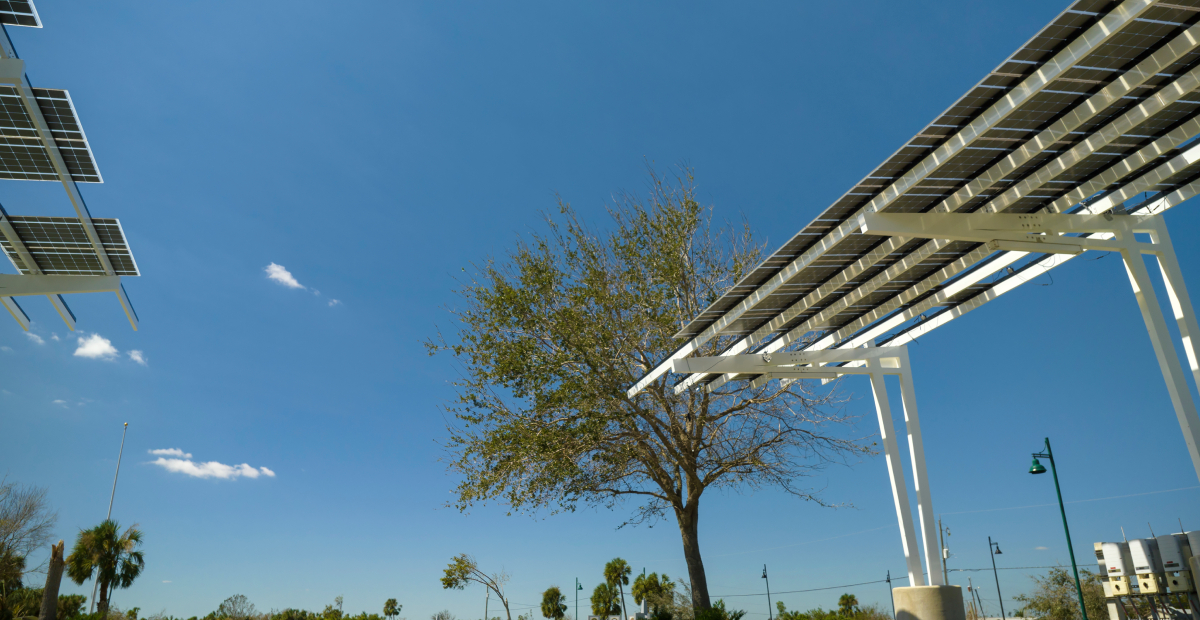
The transit hubs implement different solar technologies through rooftop installations on terminals and solar canopies in parking areas and canal-top panels along railway tracks. The projects maximize unutilized property space through environmental benefits and provide both shading and dual utility functions.
Financial Models and ROI for Solar Transit Projects
Sustainable Power with Long-Term Payoffs
The initial capital investment for airports and railway stations leads to a 5–7 year period for cost recovery through energy savings. Solar power purchase agreements (PPAs) together with government grants lower the initial financial requirements which makes solar adoption feasible for businesses.
ESG Benefits and Operational Efficiency Gains
Cleaner Transit, Better Brand Image
The implementation of solar-powered transport hubs leads to decreased carbon emissions and enhanced ESG scores. The infrastructure benefits from stable energy expenses and reduced power interruptions and enhanced reputation which becomes especially important for publicly funded projects under international observation.
Policy Incentives Supporting Solar Transport
Government Frameworks Driving Adoption
The Green Airports Policy together with Renewable Energy for Railways programs actively support the integration of solar power into public infrastructure. The combination of viability gap funding with accelerated depreciation and net metering benefits creates additional incentives for solar project developers and public bodies to implement solar projects.
Future Outlook: Towards a Renewable Transit Ecosystem
Solar as the Backbone of Sustainable Mobility
The integration of solar power into new transport hubs will become the standard approach as urbanization and smart city development continues. Solarised transport infrastructure together with electric mobility and green building practices will transform India’s mobility ecosystem.
FAQs
Indian Railways implements solar power through what specific methods?
Indian Railways implements solar power through rooftop installations on stations and ground-based solar facilities situated along tracks and railway-owned vacant areas. The organization plans to reach net-zero carbon emissions by 2030 through extensive solar power implementation.
What types of solar systems do transport hubs implement for their operations?
The three main solar power systems used at transport hubs consist of rooftop installations on terminal buildings and solar canopies for parking lots and canal-top installations near rail corridors. The systems maximize available space while reducing carbon emissions.
Transport hub solar projects generate environmental advantages through their implementation.
The implementation of solar projects decreases fossil fuel usage and produces lower carbon emissions while enhancing air quality standards. The solar projects support India’s COP26 targets to establish 500 GW of renewable energy capacity during the next decade.
The financial sustainability of solar power adoption exists for both railway stations and airports.
Yes. Through CAPEX, RESCO and PPA models many hubs achieve their investment recovery in 5–7 years. The combination of energy savings and policy incentives enhances both financial sustainability and long-term operational viability.