Synopsis
The Indian transportation infrastructure is transitioning to clean energy and solar power serves as its core component. The blog examines the solarization process of Indian transportation facilities including railway stations and train lines and airports and their adoption of solar power for establishing energy-efficient low-carbon transit systems. Solar power systems installed on canopies and rooftops and canal-top solar projects decrease operational expenses and carbon emissions while enhancing grid independence.
The article explains Indian Railways’ goal to achieve net-zero status by 2030 through solar traction power and platform rooftop installations and station lighting. The article investigates Cochin International Airport which became the world’s first solar-powered airport while discussing other airports that adopted similar solar energy approaches.
The blog assesses the implementation approaches and funding mechanisms and O&M frameworks for station and terminal and hangar and track solar installation projects. The article presents a comparative assessment of solar power adoption by different states to transform transportation from energy consumption to renewable energy generation.
The blog targets urban planners together with public sector energy managers and EPC contractors and infrastructure developers who work on sustainable urbanization and green transport corridors.
Table of Contents
Introduction – Solarising India’s Transport Backbone
From Power-Hungry to Power-Generating
The expanding mobility sector in India is transforming into a clean energy asset. Solar integration transforms traditional power-consuming transport hubs into green power stations.
Indian Railways and Solar Ambitions
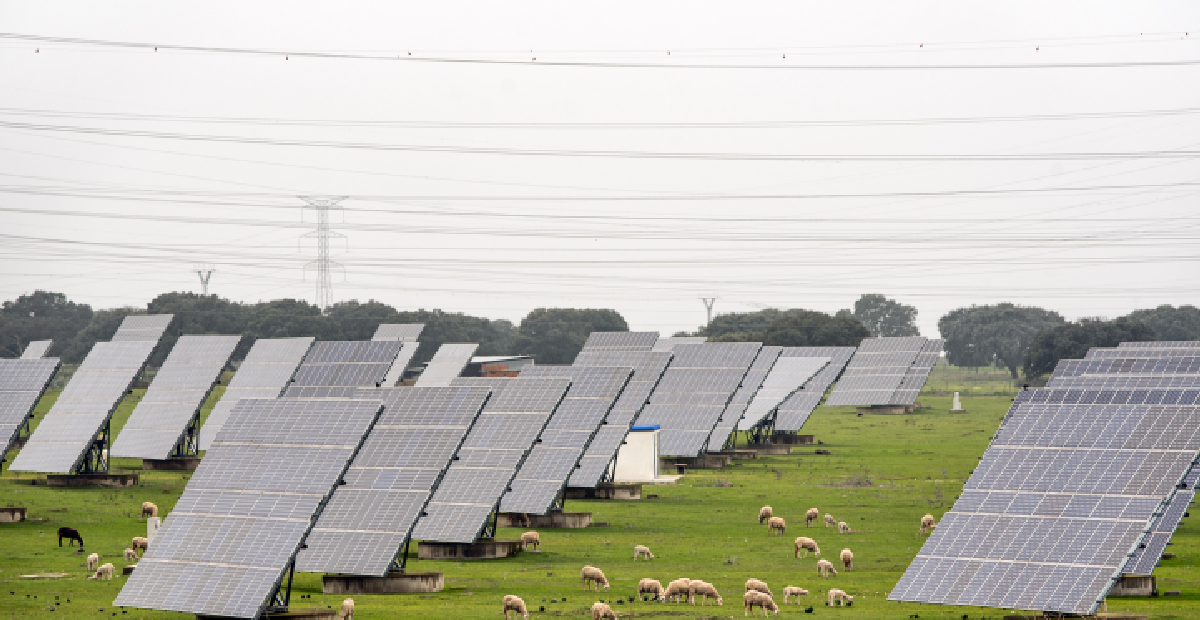
Indian Railways commissioned about 211 MW of solar plants as of October 2023. Indian Railways has a mega plan for installing solar plants of 20 GW capacity by utilizing its vacant land by 2030.
Solar Airports – The Cochin Example
The World’s First Solar-Powered Airport
Cochin International Airport achieved its status as the world’s first fully solar-powered airport through a 12 MW solar plant installation in 2015. The success of this project has led to the implementation of similar solar power systems at airports in Delhi, Hyderabad and Kolkata, with PV systems installed on rooftops and on the ground for terminal buildings.
Key Solar Deployment Models in Transport Hubs
Rooftops, Canopies, and Parking Lots
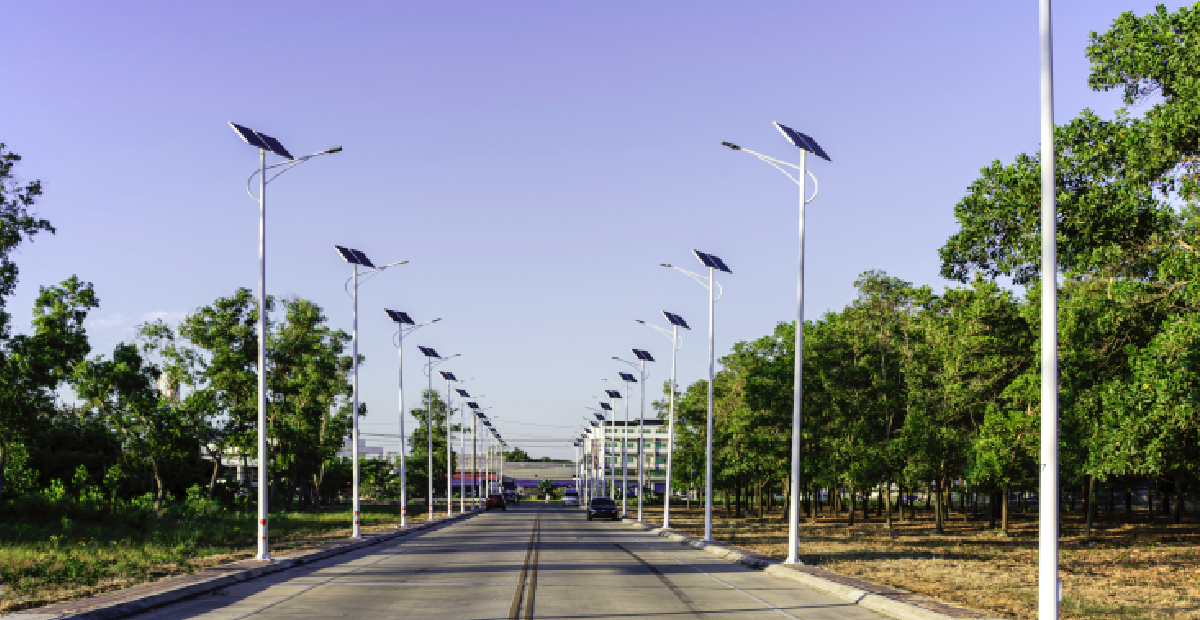
The generation potential exists in solar canopies that cover parking areas and hangar rooftops and foot over-bridges. The installation method depends on the available public-private partnership (PPP) framework which uses either PPA models or EPC procurement.
Canal-Top and Trackside Solar Innovations
Linear Spaces, Maximum Yield
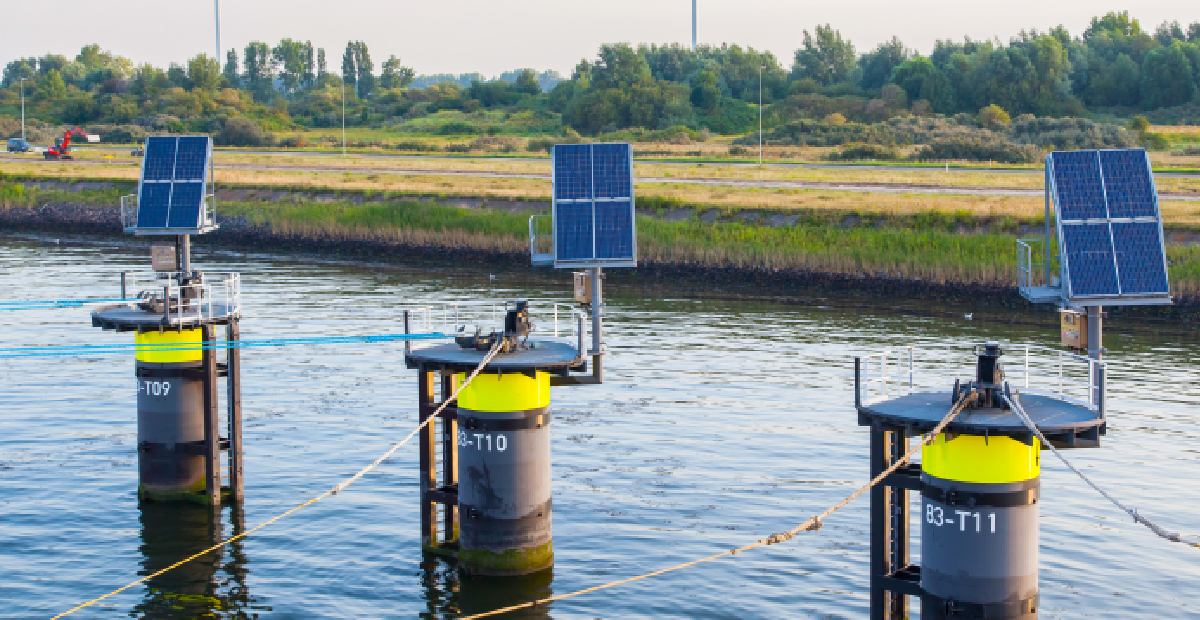
Solar projects located on canals and tracks generate two advantages through clean energy production and water preservation. Indian Railways together with state irrigation departments study these models to create land-efficient scalable systems.
Impact on Operational Efficiency and Carbon Emissions
Reducing Grid Load and Emissions
The decentralized nature of solar energy production decreases reliance on the power grid while controlling expenses and producing substantial reductions in carbon emissions. The combination of hybrid systems with storage enables airports and stations to experience reduced power disruptions.
Public Sector Partnerships and Investment Models
Unlocking Value Through Collaboration
The government bodies SECI and PGCIL support solar rail and airport projects through VGF schemes and capex funding and innovation incentives to promote large-scale, long-term transformation of public infrastructure.
Conclusion – A New Era of Renewable Transit
The Journey Ahead is Solar-Powered
The growing adoption of solar power enables Indian transportation centers to evolve into climate-positive areas. The development represents a vital advancement toward creating environmentally friendly cities and sustainable transportation systems.
FAQs
Which airport in India is fully solar powered?
Cochin International Airport stands as the world’s first airport that operates entirely on solar power. The airport uses ground-mounted and rooftop solar panels to generate enough renewable energy for its daily operations.
What are canal-top and trackside solar projects?
The installation of solar PV systems takes place both above canals and along railway tracks. The installation of solar panels above canals protects land while simultaneously minimizing water loss from canals through clean energy production.
Does solar power decrease electricity expenses for transport infrastructure facilities?
The implementation of solar power systems decreases electricity expenses for railways and airports through both grid power supplementation and net metering and captive use models.
What funding models are used for solar transport projects?
The implementation of solar transport projects relies on Public-Private Partnerships (PPPs) and Viability Gap Funding (VGF) and Build-Operate-Transfer (BOT) and Power Purchase Agreements (PPAs) which receive backing from government agencies.