Technical diagram of a solar power plant installation for an industrial mini mast

The high mast advantage and engineering solar mini mast solutions for industrial safety

20th Feb, 2026
Categories: BlogIndustrial Solar Power PlantSolar Mini Mast

Synopsis

Standard lighting systems used in industrial and municipal facilities do not deliver the necessary uniform illumination which protects workers in dangerous working conditions. The blog examines the solar mini mast which serves as a high-intensity lighting system that provides bright illumination for large spaces including parking facilities and industrial areas and public open spaces. The research evaluates how solar mini high mast systems outperform standard poles for safety purposes because their elevated high-lumen LED clusters remove all blind spots. The system description shows how the solar mini high mast operates with Solar Energy Products to provide continuous visibility throughout the day without needing electricity from the power grid. The analysis in this post demonstrates the essential mechanical requirements for building a reliable solar power plant facility at elevated locations which must withstand wind forces and use corrosion-proof galvanization. The solar power plant company model operates at long-term efficiency because it uses predictive maintenance systems together with smart monitoring technology. The solar mini mast serves facility managers by offering them a self-contained high-performance solar power system which decreases installation expenses for solar power plants while providing superior safety features than conventional grid-connected systems. The engineering blueprints of the mini mast will be shown to readers who want to understand the reasons behind this design being the top choice for modern industrial security and urban resilience.

The high-mast mandate: Solving the industrial lighting gap

The safety of industrial facilities depends on nighttime visibility but numerous large facilities face problems with their lighting system which creates dark areas throughout their entire space. Standard street poles function well for straight roads but they do not produce enough light to illuminate big areas which include loading docks and equipment storage areas. The solar mini mast stands as the final engineering solution which delivers concentrated daylight-like illumination at elevated positions. Organizations can achieve uniform light distribution through the use of solar mini high mast which provides coverage that standard poles would need multiple units to achieve. The facility achieves better natural surveillance because of its central design which also helps to decrease its energy usage. The industrial sector now requires autonomous masts as a strategic safety mandate which will become standard practice during the 2026 period.

Engineering the solar mini mast for expansive area coverage

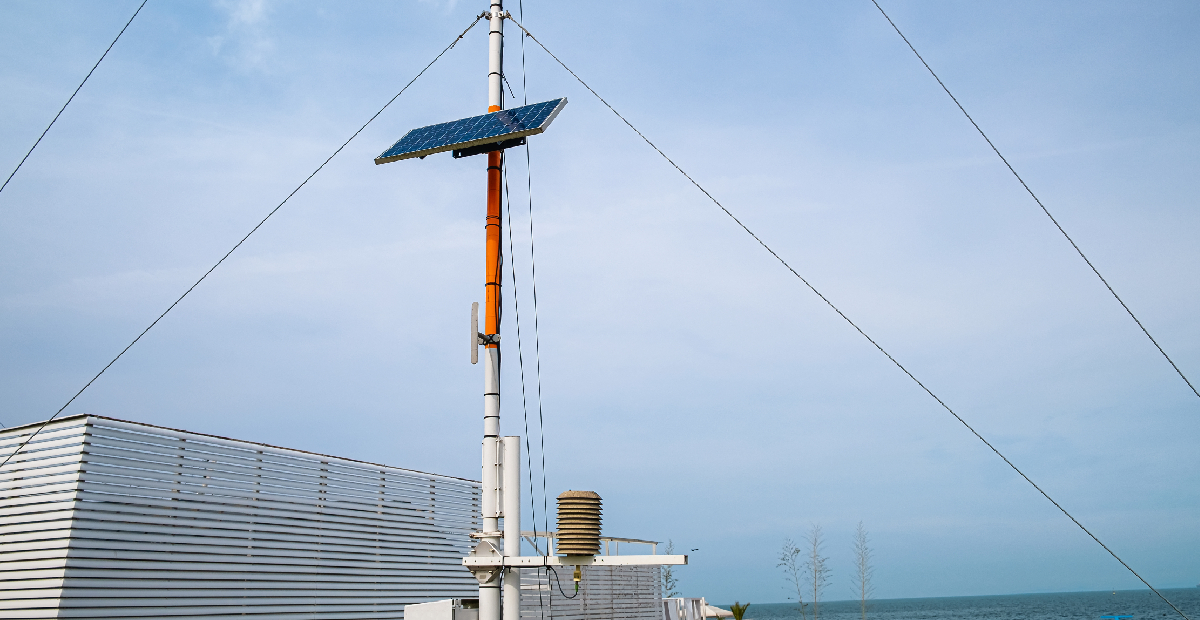
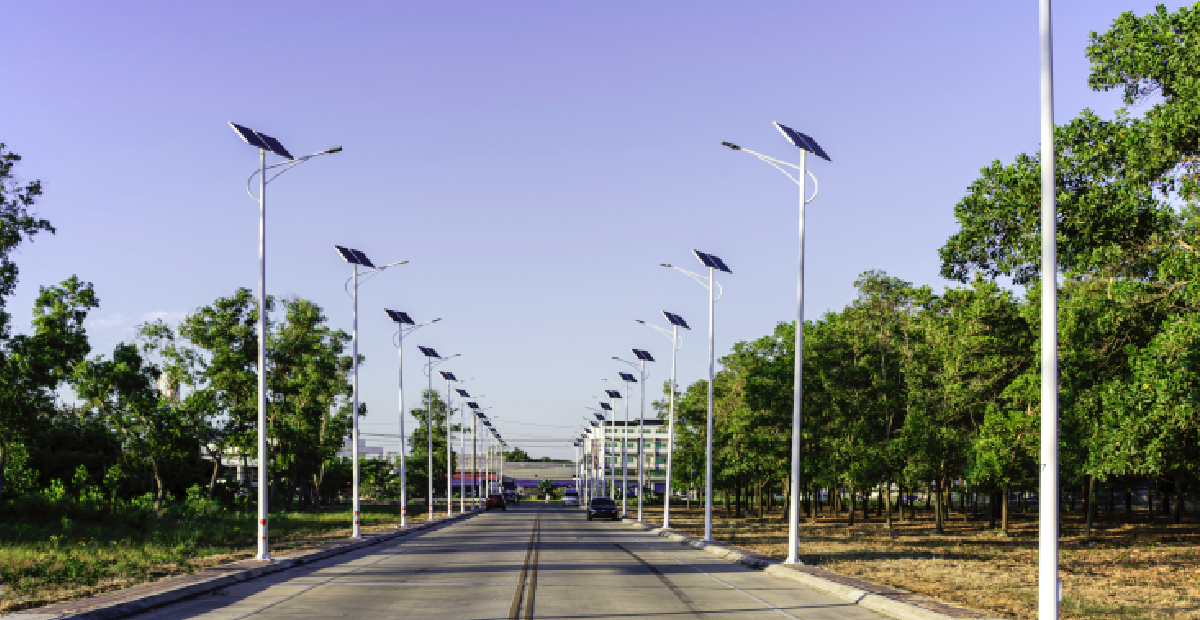
The engineering of a solar mini mast is focused on maximizing the “lumen-per-watt” efficiency to cover up to 300 square meters from a single point. The masts reach heights between 6 and 9 meters to support multiple high-power LED floodlights which direct their beams for both ground illumination and darkness reduction. Unlike standard Solar Energy Products, the mini mast requires a larger dedicated photovoltaic array to power its high-output luminaires throughout the night. The array requires a specific tilt-frame installation at the mast top to achieve its highest solar energy collection because it needs to stay away from surrounding buildings. The system operates through a high-density generation and discharge pattern which the MPPT (Maximum Power Point Tracking) controller optimizes to achieve complete battery charging during short winter sunlight periods.

Solar mini high mast vs. standard street lights: A safety analysis

When performing a safety audit, the primary advantage of a solar mini high mast is the elimination of “blind spots” created by the low-angle shadows of standard poles. The light beam expands horizontally when the light source is placed above the floor because this setup produces a gentle and wide illumination that works well for both human vision and security camera operations. The solar mini high mast system creates a less cluttered industrial area because it requires fewer poles which block the path of heavy equipment and moving vehicles. The security features of elevated lighting make the solar mini high mast more resistant to tampering which makes it an ideal choice for perimeter protection. The high-altitude position enables a basic lighting system to develop into a security system which defends people and important stock from threats.

The role of solar energy products in high-intensity lighting

The success of a high-mast installation depends on the synergy of various Solar Energy Products, specifically the battery chemistry and LED driver technology. The solar mini mast needs high-discharge-rate Lithium Ferro Phosphate (LiFePO4) batteries because it needs to power a higher current than what a single street light requires. The batteries need to operate at high discharge rates because they must perform thousands of cycles without showing any decrease in capacity. The Solar Energy Products require placement in IP66-rated weather-proof enclosures which should be installed at the base or middle section of the mast for simple maintenance operations. The system includes advanced LED drivers which enable smart dimming functionality through which the system decreases light output during low-activity periods to save power before it quickly increases illumination when motion sensors detect human presence. This intelligent management of stored energy is what allows the mini mast to provide reliable, high-intensity light for 365 nights a year.

Structural integrity in solar power plant installation for masts

A professional solar power plant installation for a mini mast requires deep-seated civil engineering to withstand high wind speeds and the “lever effect” of top-heavy solar arrays. Hot-dip galvanized steel materials form the octagonal or tubular poles because this material protects against corrosion which becomes essential for industrial facilities located in coastal or high-humidity zones. During the solar power plant installation phase, engineers conduct soil stability tests to design the appropriate concrete foundation that prevents tilting over decades of use. The electrical cabling is routed internally through the mast to protect it from environmental wear and vandalism. The “physics-first” installation method creates a secure mast structure which maintains stability through all weather conditions to meet the facility’s need for extended safety standards.

Managing the solar power plant installation cost for large areas

While the individual price of a mini mast is higher than a street light, the total solar power plant installation cost for a large area is often lower due to “node reduction.”A single solar mini mast functions as a substitute for four to six conventional street poles which results in lower costs for foundation construction and pole and labor expenses. Furthermore, because these are decentralized systems, there is zero solar power plant installation cost associated with trenching, copper cabling, or grid-connection permits. The mini mast operates as an economical solution because it does not require power consumption and needs minimal maintenance throughout its 25-year operational period. A strategic solar power plant company will perform “cost-per-lumen” analysis to prove that the mini mast provides the highest value to large industrial and municipal lighting budget allocations.

Sunshell Power: Engineering high-elevation solar excellence

At Sunshell Power, we specialize in high-intensity lighting solutions that define the standard for industrial safety. Our company operates as a solar power plant business which also functions as an engineering partner that recognizes the special requirements of installing solar systems at elevated locations. Our team provides end-to-end support for your solar mini mast project, from initial lux-mapping to the final solar power plant installation. Our company selects the most reliable Solar Energy Products which produce stable high-lumen output from our masts during extreme environmental conditions. Our company which leads the solar power plant industry follows all IEC and IS safety codes to construct facilities which will endure for thirty years. The technical authority of our company defends your business facility through a lighting system which operates at the same level of intelligence and operational dependability as your organization.

Conclusion: Securing industrial yards with autonomous mini masts

A solar mini mast system represents the core element of modern industrial safety operations which use contemporary technology. The solar mini high mast lighting system provides you with a powerful lighting solution which reduces all potential risks while delivering maximum operational performance. Your facility maintains its status as a safe facility through our combination of high-quality Solar Energy Products and expert solar power plant installation services which eliminate all utility expenses. Sunshell Power provides you with a transition plan development service through their team of specialists who will offer essential technical assistance for your essential projects. Our team provides industrial yard protection through its advanced autonomous lighting systems which offer maximum security at budget-friendly rates. The current situation demands our focus on high-mast solutions which will establish defensive zones that will maintain sustainable practices in the long term.

FAQs

The solar mini mast operates as a dedicated system for area lighting but standard street lights function for pathway illumination. The mast is typically much taller (up to 9 meters) and holds a cluster of multiple LED floodlights, providing a wide-angle light throw that covers a large circular radius. The commercial solar street lights emit a focused linear light pattern which works best for street illumination. Because the solar mini high mast illuminates a much larger area, it requires a larger solar panel and a higher-capacity battery. The mini mast provides the best solution for open areas including parking facilities and playgrounds and industrial sites because it can substitute multiple standard poles with a single light source.

Determining the height of a solar mini high mast depends on the total area you need to illuminate and the desired “lux level” (light intensity) on the ground. The 9-meter mast will distribute light across a broader area but at reduced intensity whereas the 6-meter mast will produce intense light that covers a limited space. The planning stage of solar power plant installation requires engineers to use “Lux Mapping” software which helps them predict light distribution to find the best pole height. The team needs to establish both local wind speeds because strong wind forces need foundations which can handle taller solar mini masts. A professional solar power plant company will conduct site survey operations to confirm that the structure reaches its best height which offers both unobstructed views and secure structural stability.

The primary Solar Energy Products in a mini mast include high-efficiency monocrystalline or polycrystalline PV modules, a long-life Lithium Ferro Phosphate (LiFePO4) battery, and a high-lumen LED luminaire cluster. The system also relies on an MPPT charge controller, which acts as the “brain” to maximize energy harvest from the sun and manage the battery’s health. Because a solar mini high mast is an autonomous system, it often includes smart sensors like LDRs (Light Dependent Resistors) for dusk-to-dawn operation and PIR sensors for motion-based dimming. All these Solar Energy Products are integrated into a rugged, weather-proof design to ensure the mast remains operational in diverse climates. Choosing high-quality, IEC-certified components is essential for ensuring the system performs reliably for its 25-year design life.

Yes, a solar mini mast requires a more complex solar power plant installation than a standard street light due to its height and weight. The installation process requires building a strong RCC (Reinforced Cement Concrete) foundation base which needs deep anchor bolts to protect the octagonal pole from powerful winds. The process of assembling the luminaire cluster and the large solar array which sits at the top of the mast needs either a crane or specific lifting tools. A professional solar power plant installation team also ensures that all electrical connections are properly grounded and that the cabling is protected inside the galvanized pole. All personnel who work at the elevated system must follow safety protocols which require them to wear personal protective equipment and use harnesses. The industrial landscape depends on this strict installation method to establish the mast as a secure permanent structure.

You can justify the solar power plant installation cost of a mini mast by analyzing the “Total Cost of Ownership” over 10 to 20 years. The initial cost of one solar mini mast exceeds the price of a single pole yet it functions as a substitute for six standard lights which results in reduced expenses for extensive lighting projects. There are zero ongoing electricity bills and zero costs for underground cabling or trenching, which are the most expensive parts of traditional lighting. Additionally, the solar mini high mast requires very little maintenance, as there are no bulbs to change and the LED fixtures last for over 50,000 hours. A dependable solar power plant company will run an ROI (Return on Investment) analysis which shows that the total advantages of lower energy bills and lower maintenance expenses will pay back the project expenses within three to four years.

You might also like
Close-up of a high-efficiency commercial rooftop solar installation on a textile mill
30th Apr, 2026
Fiduciary excellence analysing commercial solar power plant ROI and solar energy plant cost

Synopsis For the CFO of 2026, understanding the commercial solar power plant balance sheet is no longer about sustainability alone—it is a critical requirement for fiduciary excellence. This blog conducts a detailed audit of the current solar energy plant cost versus 25-year projected returns, providing a data-driven roadmap for industrial investment. We break down the […]
View More...
A row of integrated solar street lights illuminating a modern urban pathway
20th Apr, 2026
Urban illumination choosing the best solar street lights for integrated solar street lights infrastructure

Synopsis In the smart cities of 2026, public safety and energy efficiency are being redefined by advanced outdoor lighting solutions. This blog serves as a definitive guide to selecting the best solar street lights for modern municipal and commercial infrastructure. We explore the rapid transition from traditional grid-tied lamps to integrated solar street lights, which […]

View More...
A solar powered pump delivering water to an agricultural field in rural India
16th Apr, 2026
Rural resilience a solar power system project for solar powered pump irrigation

Synopsis Empowering the agricultural heartlands of India in 2026 requires a transition toward decentralized, reliable energy solutions. This blog explores the transformative impact of a solar power system project specifically engineered for the modern farmer. We detail how a solar powered pump and a high-efficiency solar submersible pump can revolutionize irrigation by eliminating the dependency […]

View More...
A row of industrial solar panels on a single-axis solar tracking system
13th Apr, 2026
Precision engineering implementing a solar tracking system project to lower cost of commercial solar energy

Synopsis Shift from static to dynamic energy capture with a solar tracking system project, a cornerstone of high-performance energy architecture in 2026. This technical blog analyzes how sun tracking solar technology effectively reduces the cost of commercial solar energy by up to 25% by maximizing the angle of incidence throughout the day. We explore the […]

View More...