Diagram showing the distribution of power from a solar power plant installation to a village

The decentralized pulse and how solar microgrids are powering the remote revolution

18th Feb, 2026
Categories: BlogSolar Microgrids & Remote Energy

Synopsis

The 2026 energy system encounters resistance from the solar microgrid because this system delivers superior operational reliability than the traditional centralized power grid. The blog investigates how decentralized energy systems function as technological backup systems which serve remote communities and industrial sites because building new power grid infrastructure becomes impossible due to remote locations and expensive construction expenses. We examine the architecture of the solar hybrid power system as the primary driver for 24/7 reliability in these isolated networks. The microgrids operate without power outages because they combine Solar Energy Products with smart load-balancing algorithms. The paper examines why professional solar power plant installation becomes essential for dangerous terrain areas through its explanation of the complex engineering process needed to achieve both structural and electrical system stability. The post demonstrates how Solar Products function as multiple essential components which include autonomous street lighting and water pumping systems that operate as fundamental elements of microgrid systems. The solar power plant company model now focuses on two main objectives which include long-term asset management and community empowerment according to the research findings. Sunshell Power drives the “Remote Revolution” because it proves that every person should have access to energy independence which represents a basic right for all citizens to obtain sustainable power. The company proves that power distribution needs to shift toward decentralized systems while using green energy to build an essential network which maintains operational stability.

The death of distance: Defining the solar microgrid era

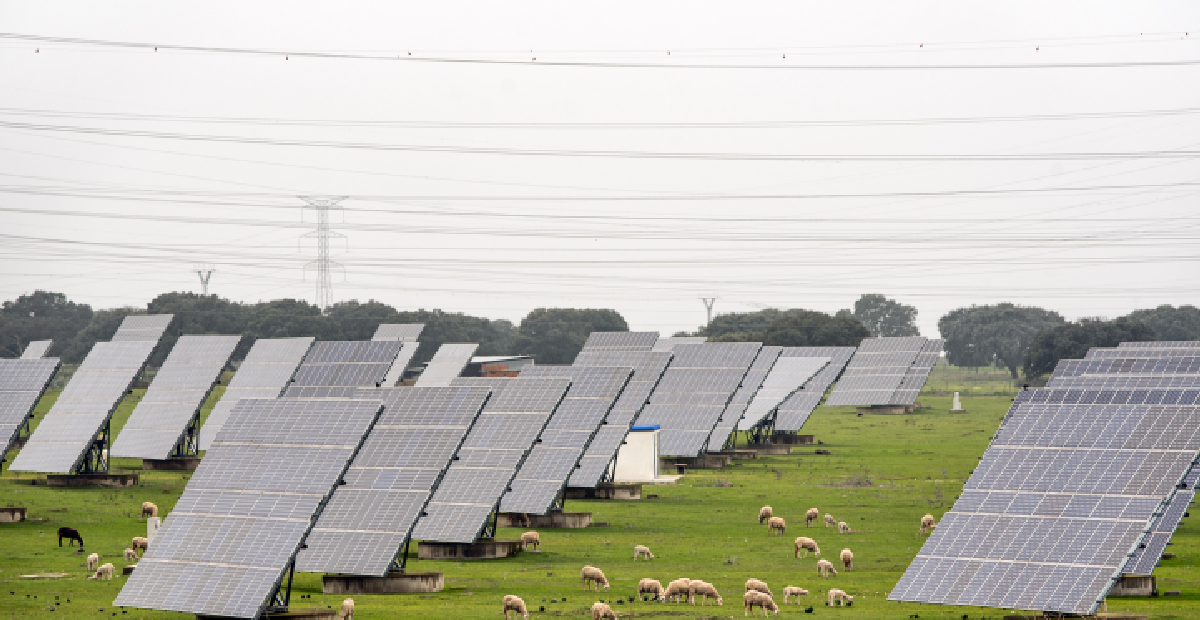
The distance which high-tension wires could extend across the nation during more than a hundred years determined how wealthy a country could become while creating an “energy poverty” situation for people who lived in remote areas. The solar microgrid system which arrived in 2026 created an independent power system which separated human development from the main electricity network. A solar microgrid operates as an independent power system which produces and stores and distributes electricity within a specific area without needing connection to the national power grid. The high-performance solar power plants enable mountainous and forested communities to obtain modern amenities because they produce electricity which powers refrigerators and digital networks. The system evolution brings about complete power distribution equality because it delivers service at the same level as large utility companies. The outer edge of the grid now serves as its main area for sustainable development and local economic growth.

The mechanical core: Hybrid power for uninterrupted autonomy

The microgrid depends completely on its solar hybrid power system which operates as the core power source to deliver continuous energy supply throughout the day. The systems run on daytime solar power which provides both immediate power needs and storage of excess energy in dense lithium storage facilities. The solar hybrid power system operates without interruption when cloudy weather persists for multiple days because it connects to additional power sources which include small wind turbines and sustainable biomass generators. The system maintains continuous operation of vital services which include rural maternity facilities and vaccine storage facilities through its various security protection systems. The hybrid inverter operates through its advanced management software which functions as an automated system controller that maintains perfect supply and demand balance through its fast millisecond responses to prevent system failures and extend battery durability.

Building the foundation: Solar power plant installation in remote terrains

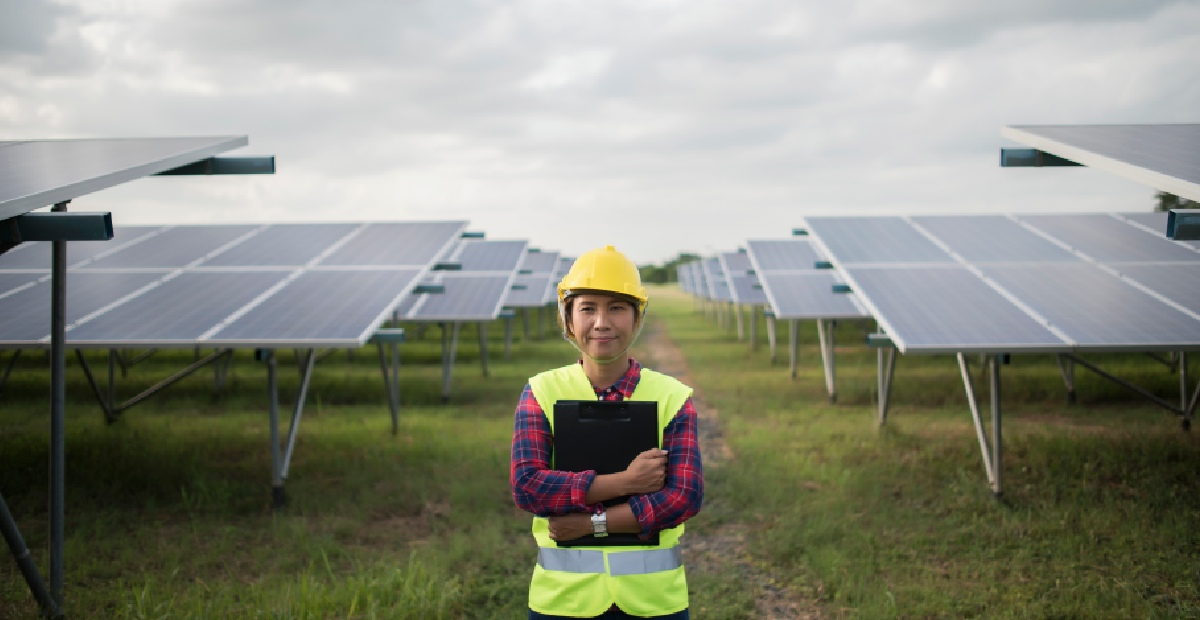
A successful microgrid requires its physical structure to start with its foundation so the solar power plant installation phase represents the critical first step in engineering development. The installation process in distant areas requires installers to handle maximum wind forces and soil degradation and earthquake shaking which threaten to damage the solar array structure. The installation of professional solar power plants requires dedicated corrosion-resistant mounting systems which work with reinforced civil foundations to achieve a 30-year operational period. The electrical cabling requires protection against both local wildlife and extreme temperature changes because these conditions pose a risk of grounding faults. Engineers who follow the most demanding international standards (IEC/IS) create a system which exceeds being a collection of parts because it becomes a durable infrastructure asset. A reliable long-term power station requires this level of technical complexity to function as a permanent facility.

Solar energy products: The modular building blocks of a microgrid

The localized distribution network of a microgrid becomes more versatile because it can accept different Solar Energy Products for integration. The primary PV array serves as the main component of these systems which also incorporate separate units that include solar-powered water treatment facilities and agricultural product storage freezers. The Solar Energy Products function as essential service locations which decrease the requirement for central inverter power to operate heavy equipment. A solar-powered milling machine can function independently from the main battery bank through its own solar array which operates during daytime hours. The system design allows microgrid expansion through sequential installation of power generation equipment and service modules which follow the increasing energy needs of the community. The system uses a “Lego-like” method to build infrastructure which enables clean energy to become accessible at affordable prices for developing areas.

The role of a solar power plant company in community resilience

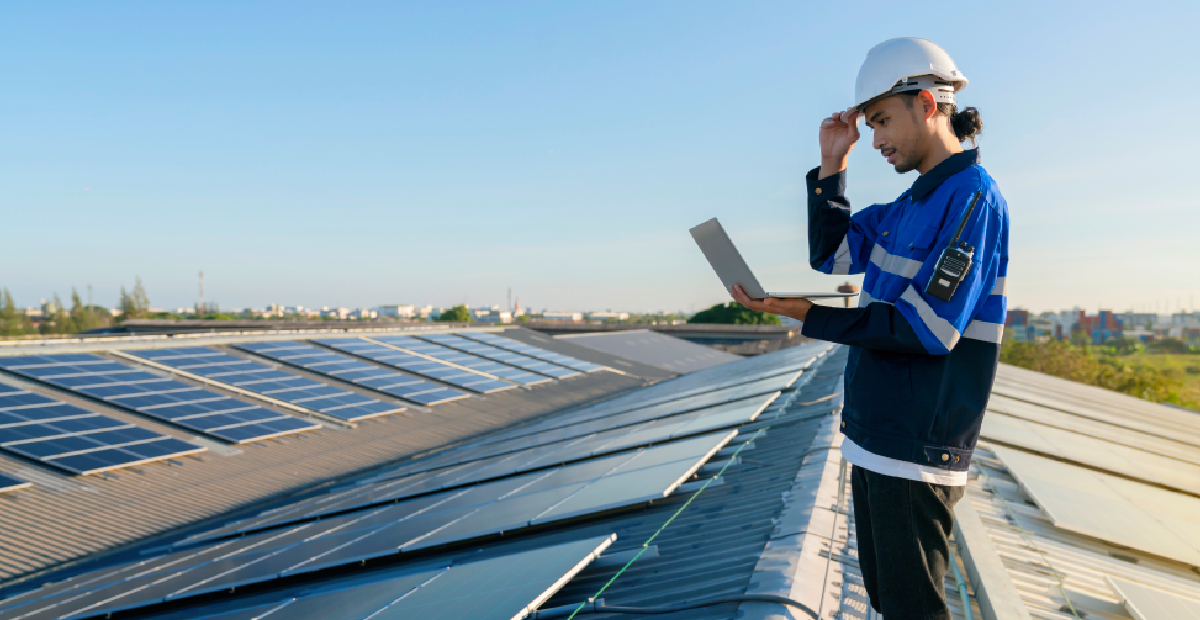
The transition from a mere hardware vendor to a long-term solar power plant company is essential for the sustainability of decentralized energy. The company needs to handle responsibilities which reach past the commissioning date because they must teach local staff how to operate the system and maintain it over time. A specialized solar power plant company provides the predictive maintenance and remote monitoring needed to ensure that the microgrid performs at peak efficiency. The company enables users to advance from their initial position as basic users until they reach active leader status which grants them power control through its “social-infrastructure engineering” approach. The collaborative system between the project and local stakeholders enables the generated energy to produce quantifiable positive effects on education and healthcare and commercial activities. The organization functions as a strategic ally which supports the community toward achieving complete economic and energy self-sufficiency.

Beyond lighting: Diversifying solar products for village economies

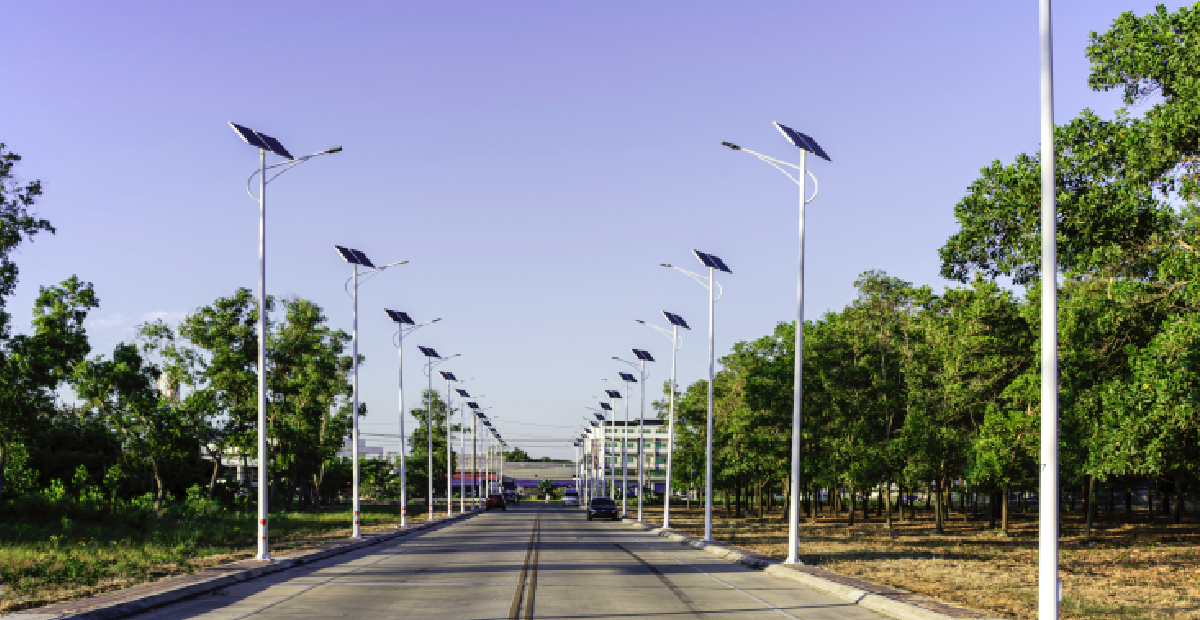
The operation of a distant microgrid system depends on Solar Products which create effects that extend past their ability to light up during nighttime hours. While solar street lights provide safety, other Solar Products like solar-powered sewing machines and small-scale oil expellers are creating new entrepreneurial opportunities for rural women and youth. The designed appliances for productive use operate at maximum efficiency because they consume small amounts of power to generate strong mechanical performance. The Solar Products enable the energy roadmap to expand into a complete system which will help villages advance from survival mode to establish small-scale manufacturing operations. The microgrid operates with a balanced load because it uses different energy sources which benefits both battery systems and local operators through increased profitability. The method unites all development aspects through energy which serves as the base for creating an active local economic system that operates independently.

Sunshell Power: Engineering the frontlines of decentralized energy

At Sunshell Power, we are leading the “Remote Revolution” by designing and deploying the most resilient solar microgrids in the industry. The company operates to establish solar power plant installations in remote areas which will enable every community to access energy while the world shifts toward renewable power sources. Our team unites premium solar hybrid power system technology with various Solar Products to establish complete energy systems. Our company leads the industry as a top solar power plant provider because we deliver complete solutions which start with hydrological and solar audits and finish with local community leader training programs. Our organization provides Solar Energy Products which follow IEC and IS safety standards to deliver dependable solutions for our business partners. Our organization exists to apply our technical abilities for creating sustainable growth centers throughout distant areas of the world.

Conclusion: Decoupling growth from the centralized grid

The solar microgrid system has established itself as a permanent change which brought new approaches to build infrastructure and support community development. The construction of decentralized power networks allows us to show that development can continue without waiting for the centralized grid to arrive. The organization provides people with self-determined success paths through its large solar power plant network and its complete line of modular Solar Energy Products. Sunshell Power leads the way in this initiative because it delivers both advanced engineering solutions and strategic direction which enables worldwide energy distribution. Our organization welcomes you to join our solar energy-based initiative which provides social inclusion access to fresh opportunities for marginalized communities. The world needs our collective effort to build a future which will base its urban and rural growth on clean autonomous decentralized energy systems that deliver electricity to every community across the globe.

FAQs

A solar microgrid operates as an independent power system which includes a small solar power facility and storage facilities and transmission lines. The system generates electricity by collecting solar power during the day which supplies current power needs and stores energy for nighttime electricity production. A microgrid functions as an independent system which operates without connection to a centralized grid thus it serves remote and islanded communities best. The system operates through a solar hybrid power system which manages different energy sources to maintain uninterrupted power delivery to vital facilities including hospitals. Microgrids allow power distribution to move away from centralized systems which decreases power transmission losses and establishes a functioning energy network that operates when traditional power lines experience disruptions in areas that lack feasible new power line construction options.

A professional solar power plant installation is essential in remote areas because the environmental conditions are often much more extreme than in urban centers. The combination of strong winds which occur in high-altitude areas and coastal zones together with powerful UV radiation will damage poor-quality equipment and its supporting framework at a fast rate. Specialized engineers ensure that the solar power plant installation is designed with the correct tilt angles and reinforced foundations to prevent mechanical failure during storms. The first construction phase needs to achieve its highest possible standard because remote locations lack easy access to replacement parts and maintenance services. The protection of investment together with community energy safety depends completely on following international standards (IEC/IS) during installation work for the past several decades.

The best Solar Energy Products for a community microgrid are those that focus on “Productive Use of Energy” (PUE) to drive local economic growth. The system includes high-efficiency Solar Products which include solar-powered water pumps for agricultural use and solar milling machines and small cold-storage units for dairy products and vaccine storage. The modular products operate independently from the central battery bank of the microgrid because they maintain their own solar power systems which operate during daytime hours. The village built its social framework through smart street lighting and public charging systems which operated as one system that ran on solar power. The community achieves maximum energy usage from their microgrid through product diversity which establishes a sustainable and profitable local economic system.

The solar hybrid power system contains an intelligent system which chooses between battery storage and additional power sources when sunlight does not generate sufficient power. The system controller operates through predictive logic which protects vital systems that contain medical equipment and lighting before it reduces power to non-essential loads to preserve battery health. The solar hybrid power system will activate backup generators or alternative renewable power sources to charge batteries during extended periods of cloudy weather. The advanced energy management system at this level creates a reliable microgrid which can function as a substitute for conventional diesel-based power generation systems. The hybrid system contains an integrated power storage system which maintains power supply to the remote community throughout every weather condition.

Yes, a modern solar power plant company often facilitates financing through the RESCO (Renewable Energy Service Company) model or by partnering with impact investors. In these models, the solar power plant company invests the upfront capital for the solar power plant installation and the community pays for the energy consumed over a long-term period. The system eliminates financial barriers which stop remote villages and small businesses from starting their operations because they cannot afford to buy required machinery. The company provides complete system maintenance and technical support services which will sustain revenue generation and social impact throughout the entire contract period. The partnership model between the provider and community establishes shared interests which result in building energy infrastructure at its peak operational standards for extended service life.

You might also like
Close-up of a high-efficiency commercial rooftop solar installation on a textile mill
30th Apr, 2026
Fiduciary excellence analysing commercial solar power plant ROI and solar energy plant cost

Synopsis For the CFO of 2026, understanding the commercial solar power plant balance sheet is no longer about sustainability alone—it is a critical requirement for fiduciary excellence. This blog conducts a detailed audit of the current solar energy plant cost versus 25-year projected returns, providing a data-driven roadmap for industrial investment. We break down the […]
View More...
A row of integrated solar street lights illuminating a modern urban pathway
20th Apr, 2026
Urban illumination choosing the best solar street lights for integrated solar street lights infrastructure

Synopsis In the smart cities of 2026, public safety and energy efficiency are being redefined by advanced outdoor lighting solutions. This blog serves as a definitive guide to selecting the best solar street lights for modern municipal and commercial infrastructure. We explore the rapid transition from traditional grid-tied lamps to integrated solar street lights, which […]

View More...
A solar powered pump delivering water to an agricultural field in rural India
16th Apr, 2026
Rural resilience a solar power system project for solar powered pump irrigation

Synopsis Empowering the agricultural heartlands of India in 2026 requires a transition toward decentralized, reliable energy solutions. This blog explores the transformative impact of a solar power system project specifically engineered for the modern farmer. We detail how a solar powered pump and a high-efficiency solar submersible pump can revolutionize irrigation by eliminating the dependency […]

View More...
A row of industrial solar panels on a single-axis solar tracking system
13th Apr, 2026
Precision engineering implementing a solar tracking system project to lower cost of commercial solar energy

Synopsis Shift from static to dynamic energy capture with a solar tracking system project, a cornerstone of high-performance energy architecture in 2026. This technical blog analyzes how sun tracking solar technology effectively reduces the cost of commercial solar energy by up to 25% by maximizing the angle of incidence throughout the day. We explore the […]

View More...