
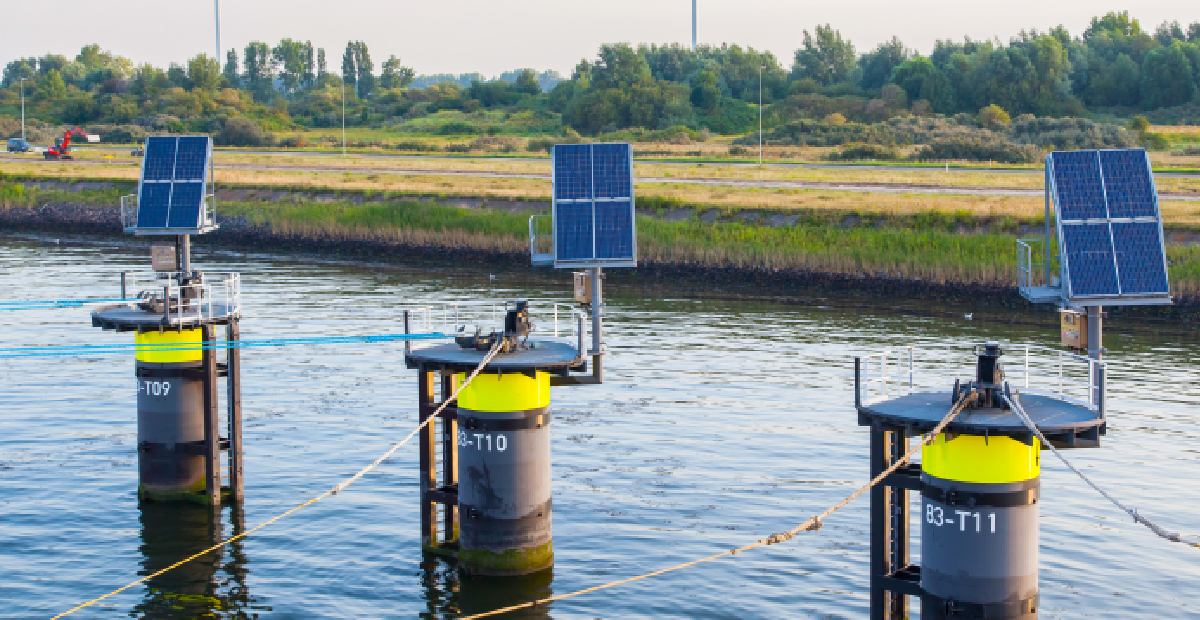
Diagram of a solar mini mast system providing high-intensity urban lighting

The smart city pulse and why the humble street light is the brain of future urbanism

9th Feb, 2026
Categories: Blogintegrated Solar Street lightsSolar street light

Synopsis

The modern urban environment of 2026 shows smart cities as actual engineering achievements which use their integrated solar street lights system as their main control network. The blog examines how standard lighting systems now function as self-operating data centers which generate power for devices beyond lighting fixtures. The research investigates how municipalities can switch to commercial solar street lighting systems which run independently from the grid thus removing their need to pay ongoing electricity costs. The solar mini mast serves as a lighting solution which provides illumination to dense public spaces thus improving urban safety and connectivity through its concentrated lighting system. The article examines how different solar products achieve advanced technology through their motion-sensitive dimming systems and their ability to monitor IoT devices from distant locations which minimizes operational waste. The research shows that solar energy products generate major cost reductions which establish decentralization as the optimal sustainable path for urban development in developing metropolitan areas. The future of urban development needs these hidden structures which function as energy generators during the day and protect public safety during the night. The light pole functions as a modern infrastructure base which merges environmental monitoring sensors with security elements to create a sustainable data-based system for municipal management.

The urban evolution: Moving from illumination to intelligence

Street lighting in urban areas operated as a basic utility requirement which people accepted as a necessary cost for power consumption during multiple decades. The mid-2020s brought an end to this situation because integrated solar street lights started to function as independent power generators which made every streetlight pole operate as an independent power station. The smart city depends on these lights to operate as its main urban heartbeat which runs independently from power outages and increasing electricity costs. Cities can now operate at 100% nocturnal visibility without any electricity expenses because they use high-efficiency photovoltaic panels together with long-life lithium storage systems. The transition requires more than switching to clean energy because it needs to establish a strong decentralized power system which will improve resident quality of life and safeguard municipal financial resources.

Integrated solar street lights: The nervous system of smart cities

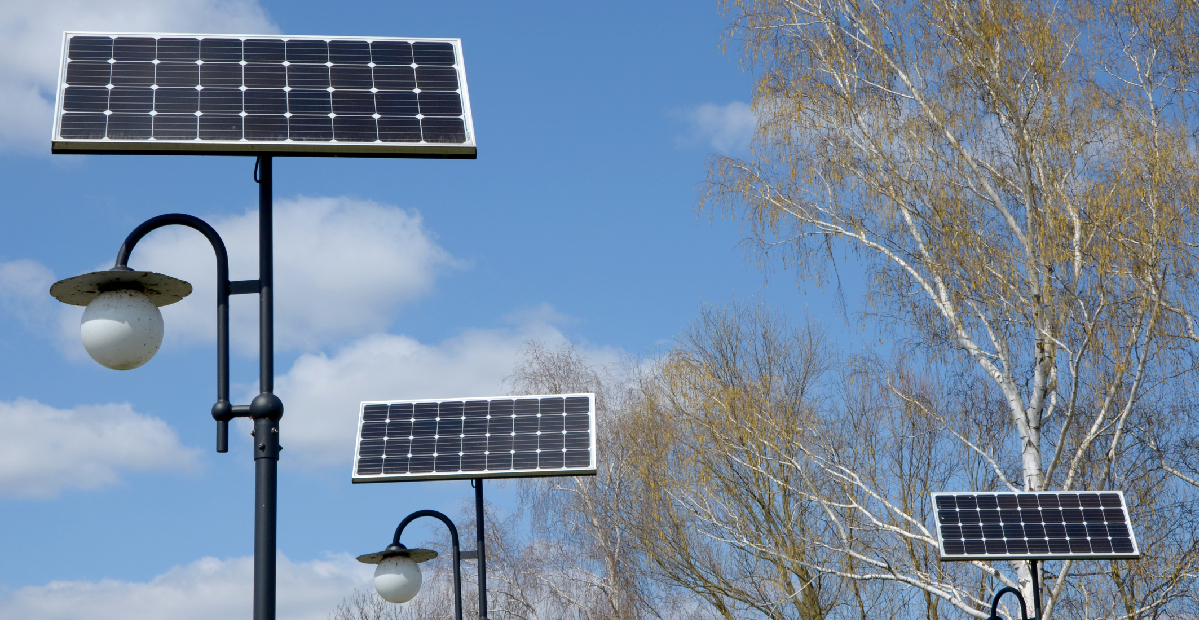
The integrated solar street lights use an “all-in-one” design method which combines solar panels with battery storage and LED lighting into a single protected unit. The small engineering design removes the requirement for extensive underground electrical connections and outside battery storage units which thieves commonly attack to steal copper and vandalize. The smart city framework contains IoT-enabled controllers which allow real-time remote monitoring of battery health and light intensity for these units. The detailed information allows municipal teams to perform predictive maintenance which ensures all street corner lights remain fully operational. The neighborhood needs integrated solar street lights to function as its surveillance system which will enable the development of advanced urban services including traffic monitoring and air quality detection.

Enhancing public safety with the high-intensity solar mini mast

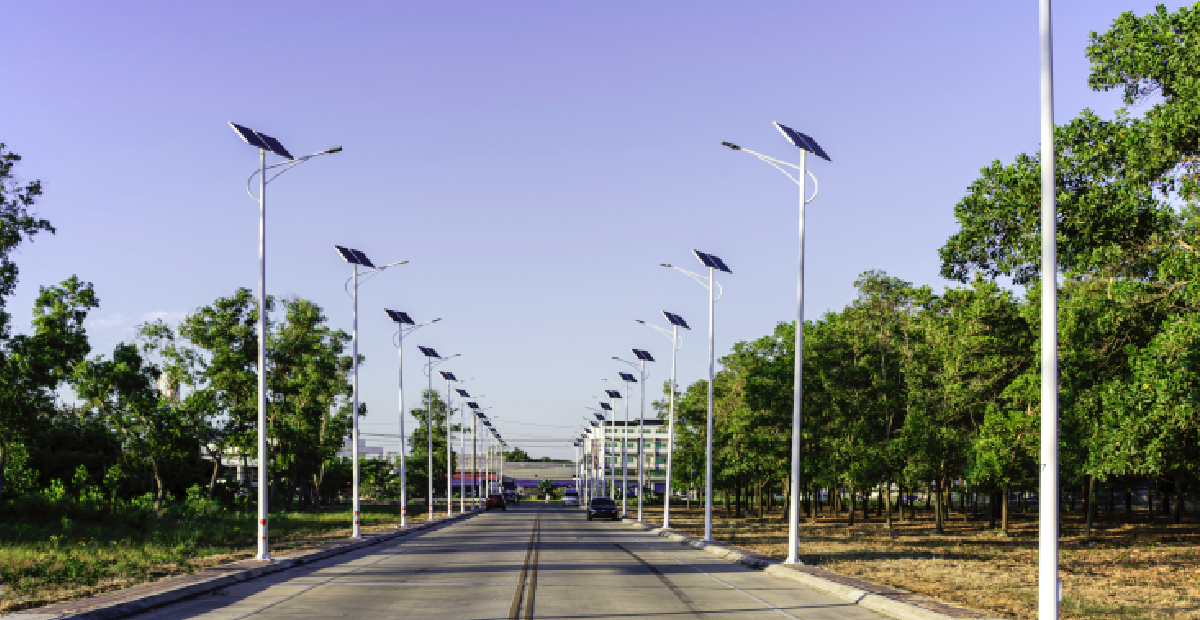
Standard poles function best for straight road sections yet solar mini masts provide the necessary power density for big public areas which include parks and community squares and intersections. The solar mini mast system consists of high-lumen LED floodlights which cluster on a strong pole to create a wide lighting area that improves both natural observation and decreases criminal activities. The engineering process for a solar mini mast aims to optimize energy collection density because the system requires sufficient power storage to operate essential lighting systems through several days of clouded conditions. The masts function as security landmarks in urban planning which promotes public space utilization during evening hours and develops an active nighttime commercial sector. The mini mast delivers uniform lighting across broad spaces which removes all dark areas from urban environments.

The economic mandate for commercial solar street lights

The commercial adoption of solar street lights follows an economic necessity which removes the requirement for ongoing utility payments. The grid-connected lighting systems which operate in public areas throughout the world create major annual expenses for local authorities because worldwide energy costs keep rising. The city can redirect its utility payment funds worth millions to support vital public services including education and healthcare and road maintenance through the adoption of commercial solar street lighting systems. The installation process provides better cost efficiency because it eliminates the requirements for trenching and cabling and site restoration work which normally consume half of the funds allocated for traditional lighting systems. The ten-year perspective shows that solar-powered lighting requires lower total ownership expenses than any solution which depends on the electrical grid thus making it the best financial option for contemporary leaders.

Scaling municipal resilience with advanced solar energy products

Resilience is the ability of a city to remain functional during emergencies, and solar energy products are the ultimate tools for this purpose. Standard lighting systems fail to operate during natural disasters and grid blackouts which causes entire cities to become dark and dangerous while also risking public safety disturbances. The autonomous solar energy products maintain continuous operation to provide vital safety protection during emergency situations. The MPPT (Maximum Power Point Tracking) controllers in modern systems use advanced technology to maximize charging efficiency during low-light periods which maintains battery levels at their peak throughout the entire year. The city needs its own power system which operates independently from the centralized grid to protect itself from rising power outage occurrences. Municipalities can establish a safer urban environment for their residents through their expansion of these resilient products.

Smart monitoring and the future of diverse solar products

The future smart city needs solar products which must be spread across its entire area to function properly. The present development stage features solar light poles which deliver essential lighting solutions and enable EV charging and provide emergency “SOS” buttons and free public Wi-Fi access. The multi-functional solar products enable light poles to function as operational service centers by using their ability to optimize urban space utilization. Smart monitoring software enables adaptive lighting which automatically increases brightness when motion detection occurs and decreases brightness when there is low traffic to save battery power. The system operates resources through intelligent methods which produce a city brightness that follows operational needs to reduce light pollution while maximizing performance. The smart city achieves its data-driven advantage through the combination of various sensors which form its lighting network.

Sunshell Power: Engineering the pulse of modern urbanism

Sunshell Power operates to construct the future “Green Grid” through its mission which provides superior solar solutions for both industrial and urban sectors. We specialize in the design and deployment of high-performance integrated solar street lights and custom solar mini mast solutions that are built to withstand the harshest environmental conditions. Our team of expert engineers performs every installation to meet IEC and IS safety standards which results in long-lasting energy assets for our clients. Our company provides a complete selection of solar energy solutions which include small pathway lights and commercial arrays of multiple kilowatts that use advanced remote monitoring systems. Our mission is to help municipalities and businesses reduce their carbon footprint and eliminate energy costs through superior engineering and technical authority.

Conclusion: Building a sustainable and safe urban legacy

Street lights have developed into smart city controllers which marks a major accomplishment in sustainable engineering practices. The company builds cities through its combination of solar street lights and autonomous solar products which establish permanent settlements that offer protection and resist natural disasters. The transition brings instant economic and social advantages which create a path toward cities that can expand without using more energy. Sunshell Power supports the urban transformation through its partnership which delivers premium solar energy solutions and technical engineering services for illuminating the development route. Our company offers commercial solar street lights which you can explore while helping us create sustainable progress for future generations. We should unite to create streets which serve as safe and intelligent and environmentally friendly spaces for everyone.

FAQs

The objectives of smart cities need integrated solar street lights because these systems produce renewable power while functioning as self-sustaining IoT (Internet of Things) devices. These units function as data nodes which enable them to send information about energy consumption and battery conditions and nearby traffic and environmental data to a central management system. The systems operate independently from the power grid which enables the city to maintain its safety infrastructure during both power failures and natural disasters. The system allows users to control lighting schedules and intensity levels from a distance which leads to lower energy expenses and reduced operational waste. The sustainable and intelligent base for modern high-efficiency urban spaces emerges from integrated solar street lights.

The solar mini mast provides its main benefit through its ability to generate strong illumination which covers broad areas from one central location thus serving best for big outdoor areas including road crossings and car parking areas and children’s play areas. The mini mast operates independently from standard commercial solar street lights because it uses powerful LED floodlights which produce a shadowless illumination that covers all areas. The system provides better public safety through its ability to illuminate dangerous areas and its promotion of nighttime public space utilization. The solar mini mast provides better value for extensive areas because it needs minimal supporting structures to operate compared to installing multiple street lights. The system functions as a dependable central power system which offers easy maintenance and excellent resistance to system failures.

Commercial solar street lights provide better cost efficiency because they remove two major obstacles which traditional lighting systems present to users. The installation of grid-tied lights needs costly and disruptive civil work which involves digging extensive trenches to install copper cables that frequently increase project expenses by half. The installation process for solar lights requires only a short time period because these units operate as independent plug-and-play systems which do not affect the current state of roads and sidewalks. The operational costs of commercial solar street lights amount to zero because they produce their own electricity which enables municipalities to save $1 million throughout the 20-year operational period. The money saved from solar product purchases can be used to support essential community programs which represent the best financial decision for expanding cities.

Solar energy products need scheduled maintenance to achieve their highest performance potential because urban areas experience high levels of dust and pollution. The primary duty requires daily PV panel cleaning to remove dirt and grime which blocks sunlight and reduces system power generation. For integrated solar street lights, the lithium batteries and controllers are housed within the fixture, protecting them from the elements and requiring almost no manual intervention for several years. The inspection process requires visual checks of both the pole and LED lens to confirm that physical damage from wind or traffic has not happened. The modern solar industry provides customers with remote monitoring software which detects performance issues to notify maintenance personnel for scheduled maintenance operations.

The market offers numerous solar products which serve the needs of residential societies and gated communities and parks. These range from sleek, aesthetic integrated solar street lights for pathways to powerful solar-powered security cameras and garden lights. The solar mini mast serves as a safety and visibility solution for residential common areas and sports courts because it does not raise community electricity maintenance costs. The solar energy products at this location help society save money on monthly bills while making the property more valuable through its modern eco-friendly development status. Residential communities can reach complete energy self-sufficiency for their shared spaces through the implementation of multiple solar products which create a protected environmentally friendly residential area.

You might also like
Close-up of a high-efficiency commercial rooftop solar installation on a textile mill
30th Apr, 2026
Fiduciary excellence analysing commercial solar power plant ROI and solar energy plant cost

Synopsis For the CFO of 2026, understanding the commercial solar power plant balance sheet is no longer about sustainability alone—it is a critical requirement for fiduciary excellence. This blog conducts a detailed audit of the current solar energy plant cost versus 25-year projected returns, providing a data-driven roadmap for industrial investment. We break down the […]
View More...
A row of integrated solar street lights illuminating a modern urban pathway
20th Apr, 2026
Urban illumination choosing the best solar street lights for integrated solar street lights infrastructure

Synopsis In the smart cities of 2026, public safety and energy efficiency are being redefined by advanced outdoor lighting solutions. This blog serves as a definitive guide to selecting the best solar street lights for modern municipal and commercial infrastructure. We explore the rapid transition from traditional grid-tied lamps to integrated solar street lights, which […]

View More...
A solar powered pump delivering water to an agricultural field in rural India
16th Apr, 2026
Rural resilience a solar power system project for solar powered pump irrigation

Synopsis Empowering the agricultural heartlands of India in 2026 requires a transition toward decentralized, reliable energy solutions. This blog explores the transformative impact of a solar power system project specifically engineered for the modern farmer. We detail how a solar powered pump and a high-efficiency solar submersible pump can revolutionize irrigation by eliminating the dependency […]

View More...
A row of industrial solar panels on a single-axis solar tracking system
13th Apr, 2026
Precision engineering implementing a solar tracking system project to lower cost of commercial solar energy

Synopsis Shift from static to dynamic energy capture with a solar tracking system project, a cornerstone of high-performance energy architecture in 2026. This technical blog analyzes how sun tracking solar technology effectively reduces the cost of commercial solar energy by up to 25% by maximizing the angle of incidence throughout the day. We explore the […]

View More...